5 min read

If products that were fine last year now sting, and your face feels tight however much moisturizer you use, the problem is usually not what you are putting on. It is that the wall holding your skin together has gaps in it. Ceramides are what fills them.

The short answer

Ceramides are the fats that hold your surface skin cells together and stop water escaping. Applying them replenishes what your barrier is missing, which means skin stops feeling tight, reacts to fewer things, and holds hydration again. Comfort improves the same day. The barrier itself takes about four weeks to replenish and repair.

Suits All skin types, Dry, Sensitive, Dehydrated, Mature, Rosacea-prone
Read time 5 min
Brick wall diagram comparing a healthy skin barrier with fully filled mortar against a depleted barrier with gaps, where water escapes and irritants get in.
Your surface cells are the bricks and a mixture of fats is the mortar. When ceramides run low, the mortar goes patchy.

What it does

Ceramides are the fats that hold your surface skin cells together and stop water escaping. Applying them replenishes what your barrier is missing, which means skin stops feeling tight, reacts to fewer things, and holds hydration again. Comfort improves the same day. The barrier itself takes about four weeks to replenish and repair.

What your skin barrier actually is

The usual picture is a brick wall, and it is a good one.

The outermost layer of your skin is made of flattened dead cells packed tightly together. Those are the bricks. Between them sits a mixture of fats, and that is the mortar.

The mortar is what does the work. It keeps water from escaping and keeps irritants from getting in. Three kinds of fat make it up: ceramides, cholesterol and fatty acids. All three are needed, and none of them does the job alone.

Your skin makes all three itself, in the deeper layers, and carries them up as your cells travel toward the surface.

What happens when ceramides run low

The mortar goes patchy, and two things follow.

Water escapes faster than it should, which is why your skin feels tight no matter how much you drink or how much hydrating serum you apply. And irritants get in more easily, which is why products that were fine last year now sting.

Here is the part that makes this worse over time. The more reactive your skin becomes, the more inflammation there is, and inflammation slows ceramide production further. It is a loop, and it explains why reactive skin tends to get steadily worse rather than settling on its own.

Several things drain ceramides: age, cold dry weather, hot showers, stripping cleansers, and over-enthusiastic use of exfoliating acids and retinoids.

How applying ceramides helps

It breaks the loop. Unlike most ingredients, ceramides are not signaling your skin to do something differently. They are the same material your barrier is built from, filling the gaps in the mortar directly.

That is why they work reliably and why reactions to them are rare. You are replacing something missing rather than asking your skin to change.

This is also the mechanism behind something we say a lot. Most people assume the top layers of skin are dead and irrelevant. They are not. They actively signal to the deeper layers to regulate collagen, hydration and cell renewal, so a healthy barrier is what everything underneath depends on.

Where ceramides come from

The ceramides in skincare are made in a lab, and that is the right call here. Synthetic ceramides can be built to match the exact structures your skin uses, which a plant-derived approximation cannot.

Some products use phytosphingosine instead, which is a precursor your skin converts into its own ceramides. That works too.

Diagram showing ceramides, cholesterol and fatty acids combining to form the mortar between skin cells.
All three are needed, and none of them does the job alone. This is why a formula with all three does more than ceramides by themselves.

What to look for on a label

Ceramides alone are only part of the mortar

This is the most useful thing to know. Your barrier is not made of ceramides on their own. It is made of ceramides, cholesterol and fatty acids together, and research on barrier repair points to all three being present rather than one in isolation.

A moisturizer listing ceramides alongside cholesterol and something like linoleic acid is doing more than one listing ceramides by themselves. You will not see the ratio on the box, and you can see whether the other two fats are there at all.

The names to recognize

Ceramide NP, AP, EOP, NS and EOS are the ones you will see most, and the letters describe their chemical structure rather than their quality. NP is the most common and the best studied.

You do not need to memorize these. Seeing any of them named specifically is a reasonable sign the formula was built deliberately. Phytosphingosine and sphingolipids are related entries worth recognizing too, and they are precursors rather than finished ceramides, which your skin converts.

Format decides where it sits in your routine

Ceramides are fats, which means they need a formula with substance behind them. A cream or a rich serum can carry them properly. A watery toner or mist claiming ceramides is unlikely to be delivering much, whatever the front of the bottle says.

Most ceramide products are moisturizers, and that matters for how you use them. If yours is a moisturizer, it is your moisturizer step. You do not need another cream over the top of it.

If your ceramides come in a serum instead, that goes on first and then you follow with your usual moisturizer as normal.

How they fit with everything else

Ceramides conflict with nothing. They are the natural partner to hyaluronic acid, which draws water in while ceramides stop it leaving, and that combination is the whole of good hydration.

They are especially worth adding into your routine alongside retinoids and exfoliating acids. Plenty of well-made retinoid creams include ceramides for exactly this reason, and it is a good thing to look for if a retinoid has been hard on you before.

Common questions

Ceramides or hyaluronic acid?

Both, and they do opposite halves of the same job. Hyaluronic acid is a humectant, which means it pulls water into the skin. Ceramides are fats that stop that water getting out again. A humectant with nothing sealing it in is why some people find hydrating serums never quite deliver.

If you had to choose one, choose by symptom. Tight and flat but not flaky suggests you need water. Tight, flaky and reacting to everything suggests you need the fats.

How long before I see something?

Comfort improves immediately, because you are physically filling gaps. Repairing the barrier itself takes about four weeks, since your skin needs to rebuild and turn over, and eczema-prone or badly compromised skin can take longer. Keep going past the point where it feels better.

Can oily skin use them?

Yes, and oily skin is often barrier-damaged skin. Stripping cleansers and enthusiastic use of actives deplete the fats in your barrier, and skin frequently responds by producing more oil to compensate, which leaves you oily and tight at the same time. Ceramides in a light gel cream help more than most people expect.

Will they help my eczema?

They help with the dryness and the barrier weakness that comes with it, and eczema-prone skin is known to run low on ceramides. Moisturizers containing ceramides are a standard part of managing it.

They support the skin rather than addressing the condition itself, which means they work alongside whatever your doctor has given you rather than replacing it.

Can I use them while my skin is irritated?

Yes, and that is exactly when to use them. Ceramides are part of how you repair a barrier rather than something that taxes it. When we suggest pausing your actives and rebuilding for a few weeks, ceramides are most of what that means.

Are they safe in pregnancy?

They are one of the safest choices when most actives come off the table, being the same material your skin already makes. Check with your OB or midwife before starting anything new, as always.

Circular diagram showing the loop where low ceramides let irritants in, causing inflammation, which slows ceramide production further.
It is a loop, and it is why reactive skin tends to get steadily worse rather than settling on its own.

How to use it

  • Morning and night. Most ceramide products are moisturizers, which means yours goes on as your moisturizer step, with nothing else needed over it.
  • If your ceramides come in a serum, apply it first and follow with your usual moisturizer.
  • Either way, apply it over a hydrating serum rather than instead of one. Water goes in first, and the fats hold it there.
  • Apply to slightly damp skin for a better result, the same way you would with hyaluronic acid.
  • Use them on the nights you use a retinoid or an exfoliating acid. That is when your barrier is under the most strain.
  • Give it four weeks for the barrier to replenish, even though comfort arrives on day one.
  • If your skin is currently reactive, pause your actives and use ceramides on their own for two to four weeks before reintroducing anything. This is the fastest route back.
  • Broad spectrum SPF 30 or higher every morning, reapplied through the day.
Evidence and sources

A note on the evidence. Ceramides are unusually well understood for a cosmetic ingredient, because barrier science is a serious field in dermatology and ceramide deficiency in eczema-prone skin has been documented for decades. The role of ceramides in the barrier, the loss of them with age, and the value of replacing them topically are all well supported. Where the picture gets less precise is in the detail: the ideal ratio of ceramides to cholesterol and fatty acids, and which specific ceramide types matter most, are still being worked out, so treat any brand claiming a uniquely correct ratio with mild scepticism.

Last reviewed

Products with Ceramides

  • SkinBetter Science

    A-Team Duo Kit

    5.0 out of 5.0 stars

    $185.00

  • SkinBetter Science

    AlphaRet Overnight Cream

    5.0 out of 5.0 stars

    From $76.00

  • SkinBetter Science

    Alto Advanced Defense and Repair Serum

    4.9 out of 5.0 stars

    From $100.00

  • SkinBetter Science

    Alto Defense Serum

    4.9 out of 5.0 stars

    From $175.00

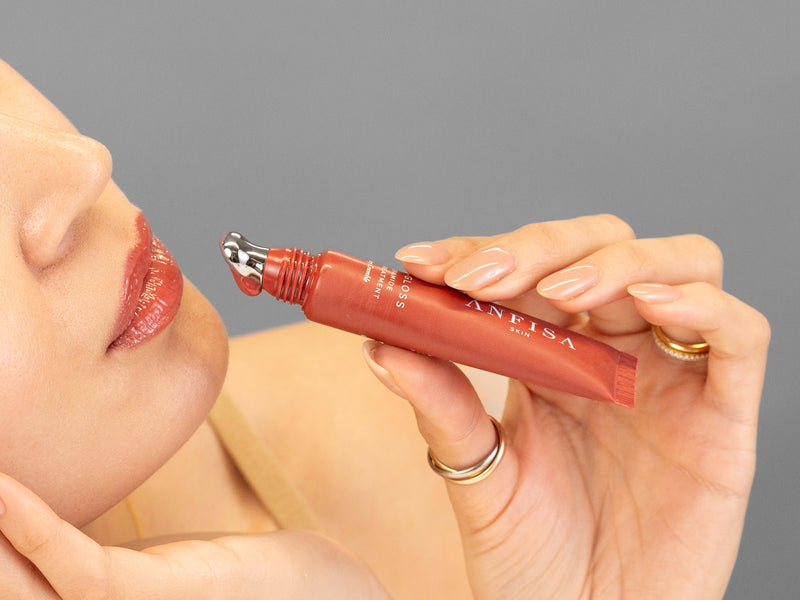
  • Anfisa

    Γ‚N-GLOSS

    4.9 out of 5.0 stars

    $45.00

  • Face Reality

    Barrier Care Gel Cream

    4.9 out of 5.0 stars

    $38.00

  • GlyMed

    Barrier Repair Cream

    5.0 out of 5.0 stars

    $104.00

  • SkinBetter Science

    Better Balance Duo

    4.7 out of 5.0 stars

    $185.00

  • Pavise

    Bioadaptive Stress Repair

    4.6 out of 5.0 stars

    From $50.00

  • Epicutis

    $375.00

  • Environ

    From $138.00

  • Lumisque

    CO2Lift Pro Carboxy Gel Mask

    4.9 out of 5.0 stars

    From $100.00

  • Lumisque

    From $330.00

  • SkinBetter Science

    Even Tone Correcting Serum

    4.8 out of 5.0 stars

    $170.00

  • Face Reality

    HydraRemedy Gel Serum

    4.9 out of 5.0 stars

    $46.00

  • SkinBetter Science

    Hydration Boosting Cream

    4.9 out of 5.0 stars

    $105.00

  • Epicutis

    Hyvia Creme

    4.9 out of 5.0 stars

    $195.00

  • SkinBetter Science

    Intensive AlphaRet Overnight Cream

    4.9 out of 5.0 stars

    From $145.00

  • KrX Aesthetics

    Jelly Mist Spray on Gel Mask

    5.0 out of 5.0 stars

    $45.00

  • Epicutis

    Lipid Body Treatment

    5.0 out of 5.0 stars

    From $74.00

  • Epicutis

    Luxury Skincare Set

    5.0 out of 5.0 stars

    $395.00

More Ingredient Guides

View all

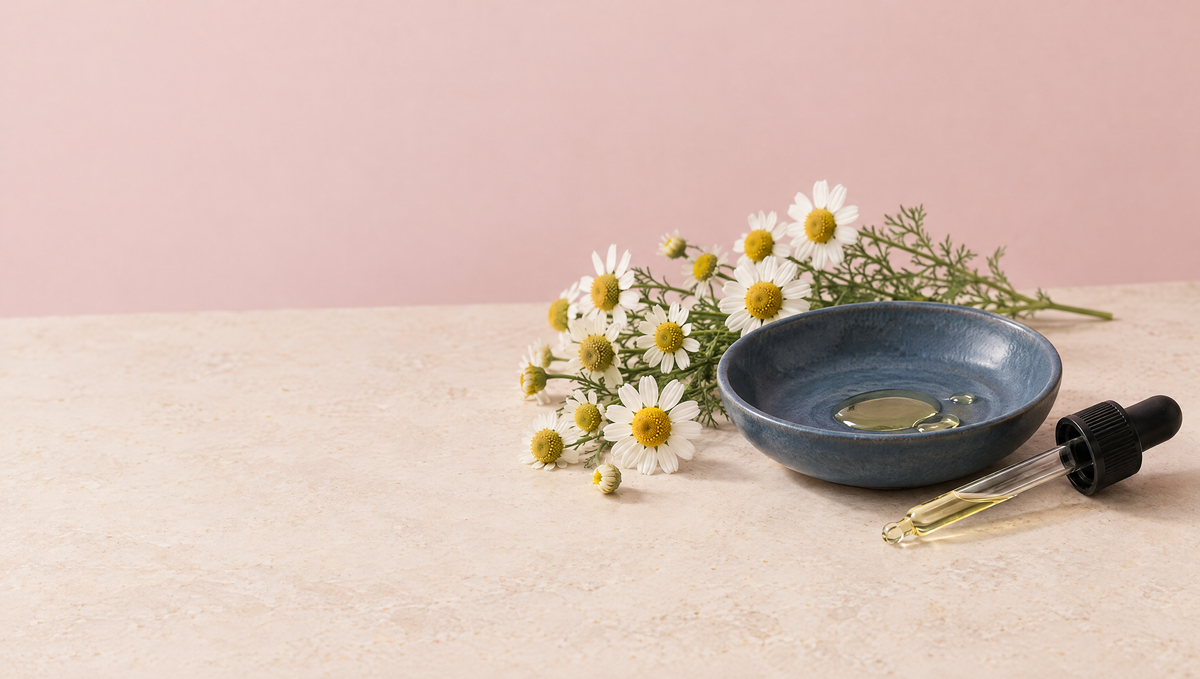
German chamomile flowers beside a slate blue dish holding drops of clear, pale golden oil on a warm stone surface.

Bisabolol for Calming Redness and Irritation

Bisabolol is the calming compound first found in chamomile, and it quiets the inflammation behind redness, stinging and itch. Here is how it works, who it suits and how to use it.
Read moreabout Bisabolol for Calming Redness and Irritation

Fresh comfrey leaves and purple flowers beside a slate blue dish of fine white allantoin powder on a warm stone surface.

Allantoin for Rough, Dry and Irritated Skin

Allantoin softens rough, flaky skin and soothes irritation, and the US FDA recognizes it as a skin protectant. Here is how it works, what the research shows and how to use it.
Read moreabout Allantoin for Rough, Dry and Irritated Skin

Fresh centella sprigs with small round scalloped leaves on a warm stone surface beside a slate blue ceramic dish, against a soft blush backdrop.

Centella for Redness and Reactive Skin

Centella calms inflammation, helps skin hold on to water and supports repair after irritation. Here is what the research shows, what cica means on a label and how to use it.

Read moreabout Centella for Redness and Reactive Skin