7 min read

Retinoids have more research behind them than any other anti-aging ingredient, going back to the 1980s. They speed up how fast your skin renews itself, build collagen, keep pores clear and fade dark marks. The difficulty is getting through the first six weeks, and that is mostly a matter of how you start.

The short answer

Retinoids speed up how fast your skin replaces its cells and tell the deeper layers to build collagen. Skin gets smoother and clearer within about eight weeks, dark marks and fine lines soften over three to six months, and firmness keeps improving for a year or more. There is an adjustment period of a few weeks at the start, and how gently you handle that decides whether you stay on it long enough to get any of those results.

Suits All skin types, Mature, Acne-prone, Oily, Combination, Normal
Read time 7 min
Diagram of the retinoid conversion ladder from retinyl ester through retinol and retinal to retinoic acid, showing fewer conversion steps means faster results and more adjustment.
Fewer conversion steps means faster results and more adjustment. The right answer is the strongest form your skin stays comfortable on.

What it does

Retinoids speed up how fast your skin replaces its cells and tell the deeper layers to build collagen. Skin gets smoother and clearer within about eight weeks, dark marks and fine lines soften over three to six months, and firmness keeps improving for a year or more. There is an adjustment period of a few weeks at the start, and how gently you handle that decides whether you stay on it long enough to get any of those results.

How retinoids work

Retinoid is the family name for vitamin A and its relatives. The family includes several forms, and they all work. What separates them is how many steps your skin has to take to convert each one into the form it can actually use, which is retinoic acid.

That conversion takes time, and it is what decides how quickly a form works and how much your skin is likely to react while it adjusts.

Retinoic acid attaches to receptors inside your skin cells, which are docking points that change what the cell does once something fits into them.

Several things follow. Surface cells turn over faster, so the dull layer clears and pores stop plugging. Deeper down, the cells that make collagen become more active, and the enzymes that break collagen apart are slowed. Your pigment cells also make less new melanin, so dark marks fade faster than they would on their own.

That is why retinoids show up in acne routines and anti-aging routines both. It is the same mechanism producing different results depending on what your skin needed.

The conversion ladder

This is the thing worth understanding, because it explains every label you will read.

Retinyl esters, which appear as retinyl palmitate or retinyl propionate, need three conversion steps. They are the gentlest and the slowest.

Retinol needs two steps. It is the most common form and the one most consumer research used.

Retinaldehyde, often shortened to retinal, needs one. It works noticeably faster than retinol and stays considerably gentler than the prescription form, which is why it has become the form we suggest most often.

Retinoic acid itself, prescription tretinoin, needs no conversion at all.

Fewer steps means faster results and more adjustment to get through. The right answer is the strongest form your skin stays comfortable on, not the strongest form that exists.

What the first few weeks are like

Attaching to those receptors is also what can cause irritation, which means the dryness and sensitivity some people get are part of the process rather than a sign something has gone wrong.

How much you experience depends on three things: how well your barrier is functioning when you start, which form and strength you have chosen, and how gradually you build up. Plenty of people get through this with very little dryness at all, particularly on a formula designed for beginners or on a step-up system that paces the increase for you.

If you are acne-prone you may also break out initially. Faster turnover brings congestion that was already forming up to the surface sooner than it would have arrived. It is not the retinoid causing those breakouts, it is bringing them forward.

Choosing a well-buffered formula and building up slowly is not caution, it is the whole strategy.

Where retinoids come from

You get vitamin A from food, mostly liver, eggs, dairy and the orange vegetables your body converts, and your skin uses it for normal cell renewal whether or not you ever apply any.

What goes into skincare is made in a lab, and the various forms exist because vitamin A is unstable and needs stabilizing differently depending on what a formula is trying to do.

Eating more vitamin A will not do this job, and taking high doses is genuinely not a good idea, since it accumulates in the body in a way most vitamins do not.

Diagram of a retinoid step-up system showing four ascending strength levels, each moved up after three to four bottles.
It removes the decision. You are not guessing when to go stronger, and almost nobody drops out.

What to look for on a label

Step-up systems, our preferred route

Some brands build the whole progression for you. You start on the lightest strength and move up a level every three or four bottles, by which point your skin has already adjusted and the next step feels like nothing. Environ is the range we use most often for this and it is our favorite way to bring someone onto a retinoid.

The reason it works so well is that it removes the decision. You are not guessing when to go stronger or talking yourself into it too early. The system paces it, and almost nobody drops out.

Start low and stay there while it works

If you are choosing a single product rather than a system, a retinol around 0.25 to 0.3 percent or a low-strength retinal is a good place to begin. Stay there for as long as your skin keeps improving, however many months that takes.

Those who get the best results over years are the ones who found a strength they could stay on and never stopped. Consistency beats strength.

Look at what is buffering it

A retinoid does not have to dry you out, and the better formulas are built so it does not. Hyaluronic acid, ceramides, peptides and niacinamide alongside the retinoid keep your barrier supported while it works, and that is the difference between a product you tolerate and one you enjoy using.

Encapsulated and time-release formulas do something similar by releasing the retinoid gradually rather than all at once, so you get the same amount of active with less irritation. It is genuinely useful technology rather than a marketing term.

Packaging is not a detail

Vitamin A degrades in light and air. Opaque, airless packaging is what you want, and a clear jar is the wrong format. A retinol product that has been open on a bright shelf for a year is doing considerably less than it did.

What works best with a retinoid

Some of the best retinoid products pair it with an exfoliating acid or with peptides in one balanced formula. Those have been designed to sit together, which is different from layering two products yourself.

On your own, keep your retinoid and your exfoliating acids on separate nights unless the product is built as a two in one. With benzoyl peroxide you have two good options: retinoid in the morning and benzoyl peroxide at night, or alternate them night by night. Either way, each gets its own window.

Sunscreen every morning, reapplied through the day. Retinoids make skin more sun sensitive while you are using them, and sun undoes the collagen work you are paying for.

Common questions

Does it thin the skin?

No, and it does the opposite. The myth about retinoids thinning the skin comes from the flaking you see in the first few weeks, which is the surface layer shedding faster.

Underneath, retinoids thicken the living layer of skin and increase collagen. Skin ends up stronger rather than thinner.

Why am I breaking out?

Faster turnover brings congestion that was already forming to the surface sooner. It is a sign the retinoid is working rather than a reason to stop.

Be prepared for this to take longer than you expect. There is roughly ninety days of congestion already sitting in your skin at any time, which means purging can run for three to six months before it finishes. Most people are told four to six weeks and give up when it is still going.

If it feels like too much, drop your frequency rather than abandoning it.

Retinal or retinol?

Retinal is one conversion step from active and retinol is two, so retinal generally works faster at a comparable comfort level. It is the form we suggest most often.

Retinol is more widely available and better studied in consumer products. Both are excellent, and either will get you there.

How long until I see results?

Different concerns improve on different timelines. Smoother texture and clearer skin arrive around eight weeks. Excess pigment and fine lines soften over three to six months. Firmness keeps building for a year and beyond, which is why this is an ingredient you settle into rather than trial.

Photograph your skin on day one and every four weeks after, in natural daylight from the same spot. Retinoid results are gradual enough that the photographs are usually what convince people to keep going.

Can I use it around my eyes?

Yes, and that is where a lot of the fine lines are. Use a formula made for the eye area and apply it along the orbital bone, the ridge you can feel around the eye socket, rather than close to the lash line. The warmth of the area spreads product inward on its own, so starting further out is how you end up with it in the right place instead of in your eyes.

Start once a week and build slowly. If your eyes are the one place that will not tolerate a retinoid, peptides are the gentler alternative there.

Can I use it in pregnancy?

This is a conversation to have with your OB or midwife, and the decision is yours to make with them.

Here is the picture, because it is more nuanced than most sources suggest. The concern comes from oral vitamin A, where high doses are linked to birth defects. A cream is a different proposition, and the amount that reaches your bloodstream from one is very small. Most topical retinoids sit in pregnancy risk category C, meaning risk cannot be ruled out, while the strongest ones are category X and clearly off limits. Medical reviews still recommend avoiding topical retinoids during pregnancy to be safe.

In practice it depends on the brand, the form and the strength, and we do have clients who continue using a retinoid through pregnancy with their doctor's agreement. We are not flatly against it.

Most of our clients choose to switch for those months, and azelaic acid, bakuchiol and exosomes are the alternatives they move to. Whichever way you go, speak to your OB or midwife first and let their answer guide you.

Diagram correcting the myth that retinoids thin the skin, showing the surface shedding while the living layer beneath thickens.
The flaking is the surface layer shedding faster. Underneath, skin ends up thicker and stronger.

How to use it

How you start matters more than what you start with. A well-formulated retinoid should not leave you peeling, and if yours does, look at the product and the pace before you decide retinoids are not for you.

  • If you are on a step-up system, follow it. Those are designed to pace the increase for you, and moving up every three or four bottles means your skin is ready each time.
  • Otherwise, twice a week at night for the first two weeks, then three times a week, then every other night, then nightly if your skin is happy. Take six to eight weeks over it.
  • A pea-sized amount for the whole face. More product does not work faster.
  • Apply to clean, dry skin. Most retinoid products are serums or creams, which go on before your moisturizer.
  • Around the eyes, apply along the orbital bone rather than close to the lash line. The warmth of the area moves product inward on its own.
  • Follow with your moisturizer. If your retinoid already contains hyaluronic acid or barrier ingredients, that is doing much of this work for you, which is why we choose them.
  • Keep it on separate nights from your exfoliating acids, unless your product is formulated as a two in one.
  • Broad spectrum SPF 30 or higher every morning, reapplied through the day. This one is not optional with a retinoid.
  • Stop using it for four to seven days before waxing, threading, laser or an in-clinic treatment, and leave it another four to seven days afterwards before starting again. Ask whoever is doing the treatment, as it varies with what you are having done.
  • Photograph your skin on day one, then every four weeks in natural daylight from the same spot.
Evidence and sources

A note on the evidence. Retinoids are the best-evidenced anti-aging ingredient available, with clinical research going back to the 1980s covering fine lines, collagen production, pigmentation, acne and photodamage, using measured biopsies as well as visible assessment. The mechanism is thoroughly understood down to the receptor level. Where the picture is less precise is in comparing the over-the-counter forms against each other, since conversion efficiency varies with formulation and few studies compare retinol against retinal head to head at matched strengths. The pregnancy caution is based on oral vitamin A data rather than topical studies, but it is universally advised and not worth debating.

Last reviewed

Products with Retinoid

  • SkinBetter Science

    A-Team Duo Kit

    5.0 out of 5.0 stars

    $185.00

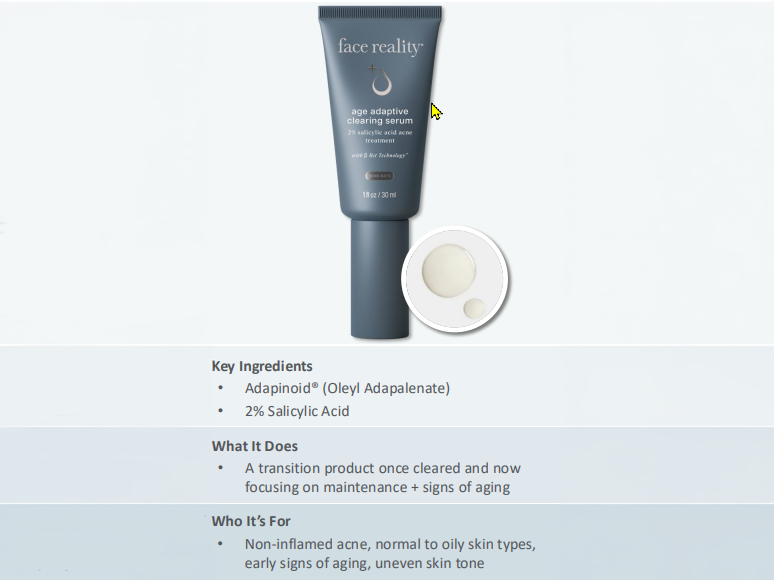
  • Face Reality

    Age Adaptive Clearing Serum

    4.0 out of 5.0 stars

    $76.00

  • SkinBetter Science

    AlphaRet Body Overnight Cream

    5.0 out of 5.0 stars

    From $40.00

  • SkinBetter Science

    AlphaRet Clearing Serum

    4.8 out of 5.0 stars

    From $145.00

  • SkinBetter Science

    AlphaRet Exfoliating Peel Pads

    5.0 out of 5.0 stars

    $130.00

  • SkinBetter Science

    AlphaRet Overnight Cream

    5.0 out of 5.0 stars

    From $76.00

  • Environ

    $72.00

  • Environ

    From $86.00

  • Environ

    From $138.00

  • Marini SkinSolutions

    CelluliTx

    5.0 out of 5.0 stars

    $140.00

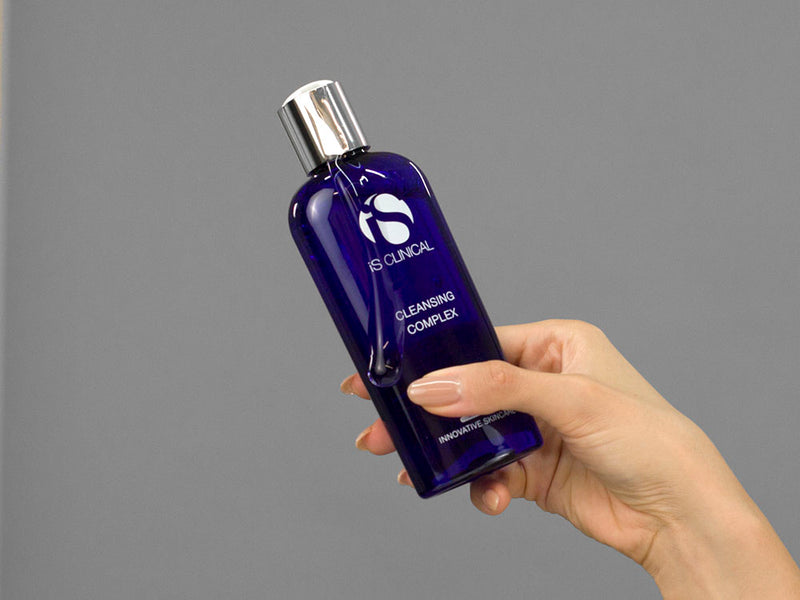
  • iS Clinical

    Cleansing Complex

    4.8 out of 5.0 stars

    From $27.00

  • Vivant

    $220.00

  • Vivant

    Derm-A-Gel

    4.0 out of 5.0 stars

    $86.00

  • Vivant

    Derm-A-Renew

    5.0 out of 5.0 stars

    $148.00

  • Vivant

    $90.00

  • Vivant

    $94.00

  • Hale & Hush

    $44.00

  • SkinBetter Science

    EyeMax AlphaRet Overnight Cream

    4.8 out of 5.0 stars

    $135.00

  • Vivant

    $294.00

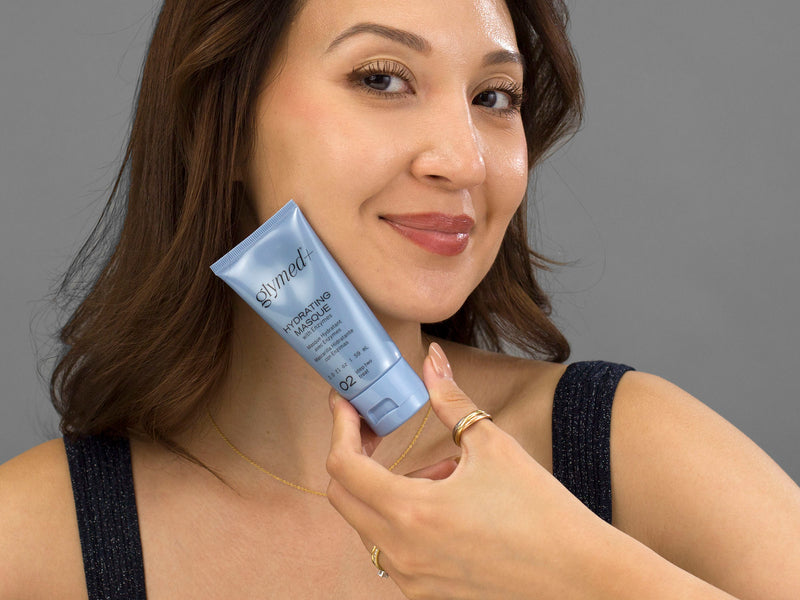
  • GlyMed

    Hydrating Masque

    5.0 out of 5.0 stars

    $54.00

  • Environ

    $108.00

  • SkinBetter Science

    Intensive AlphaRet Overnight Cream

    4.9 out of 5.0 stars

    From $145.00

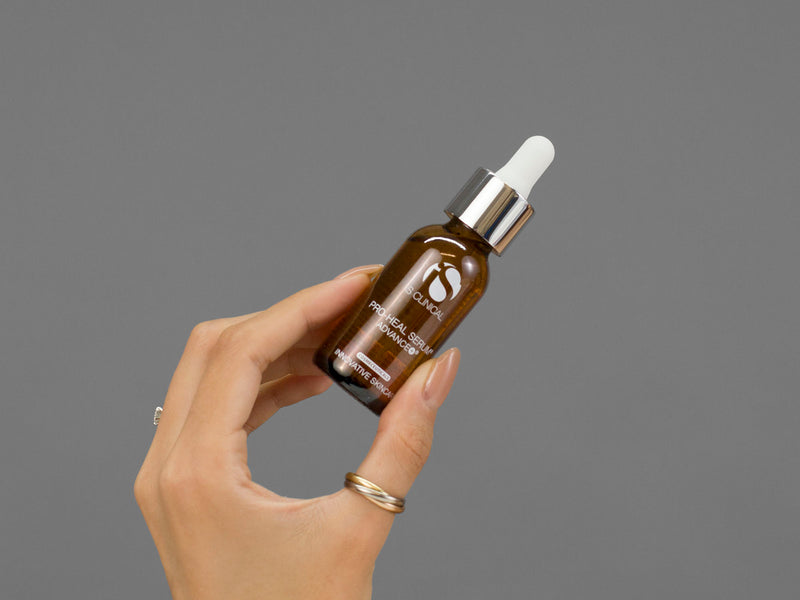
  • iS Clinical

    Pro-Heal Serum Advance+

    5.0 out of 5.0 stars

    $177.00

More Ingredient Guides

View all

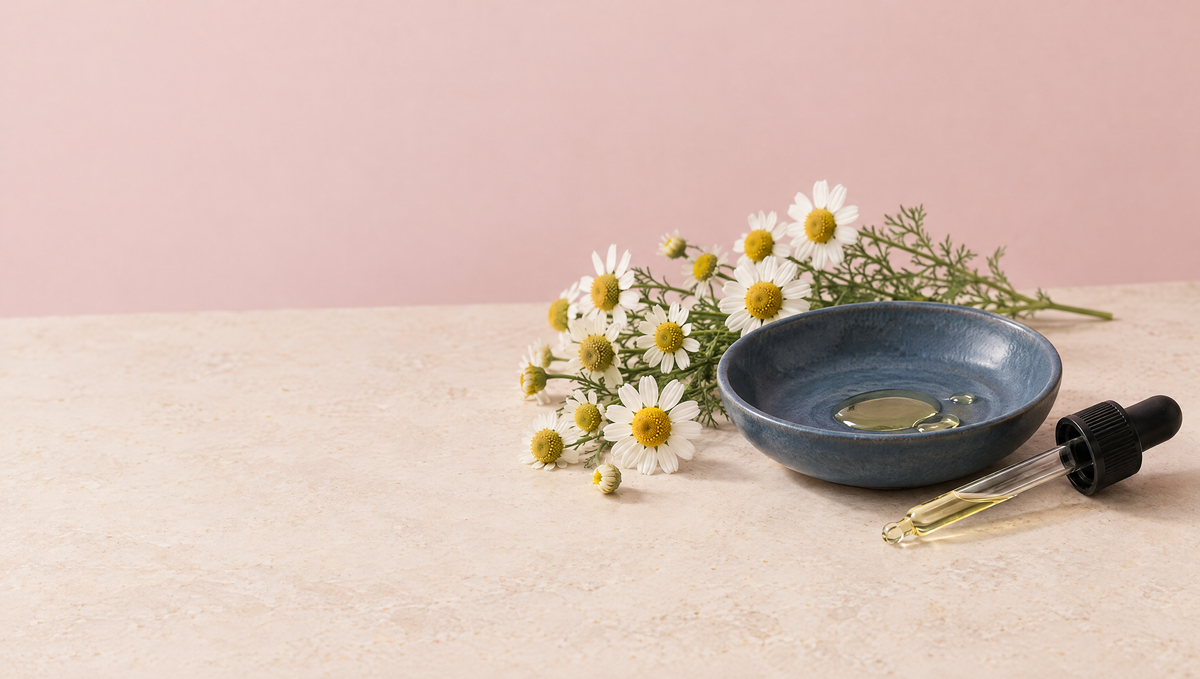
German chamomile flowers beside a slate blue dish holding drops of clear, pale golden oil on a warm stone surface.

Bisabolol for Calming Redness and Irritation

Bisabolol is the calming compound first found in chamomile, and it quiets the inflammation behind redness, stinging and itch. Here is how it works, who it suits and how to use it.
Read moreabout Bisabolol for Calming Redness and Irritation

Fresh comfrey leaves and purple flowers beside a slate blue dish of fine white allantoin powder on a warm stone surface.

Allantoin for Rough, Dry and Irritated Skin

Allantoin softens rough, flaky skin and soothes irritation, and the US FDA recognizes it as a skin protectant. Here is how it works, what the research shows and how to use it.
Read moreabout Allantoin for Rough, Dry and Irritated Skin

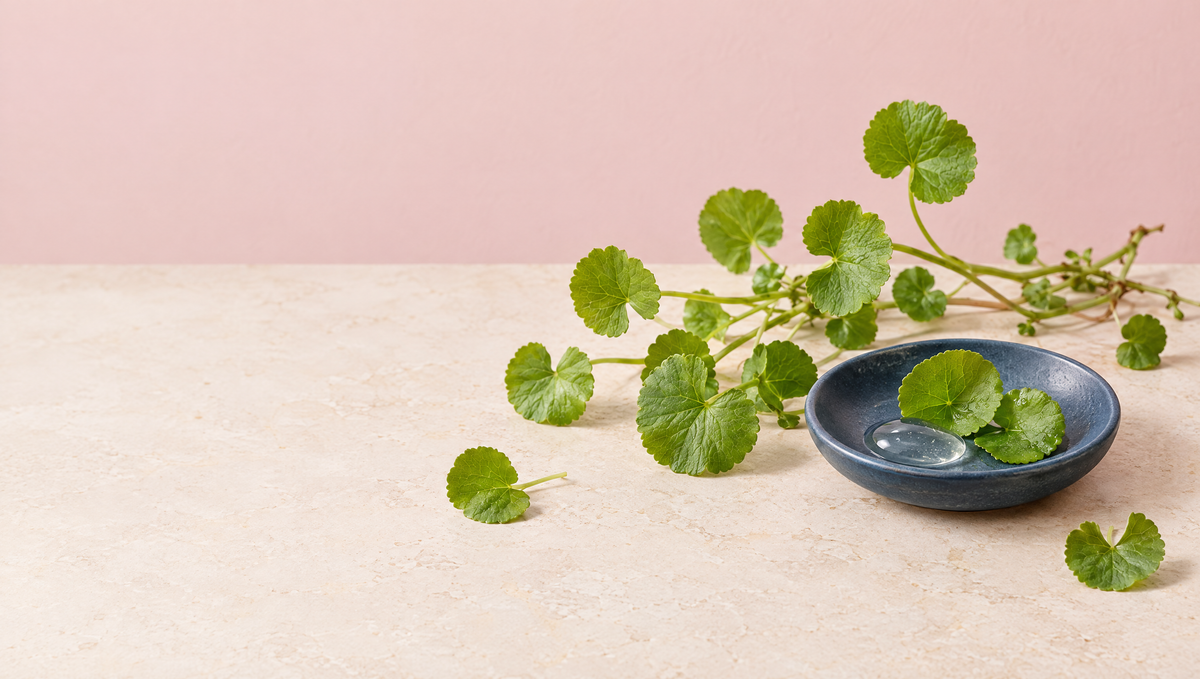
Fresh centella sprigs with small round scalloped leaves on a warm stone surface beside a slate blue ceramic dish, against a soft blush backdrop.

Centella for Redness and Reactive Skin

Centella calms inflammation, helps skin hold on to water and supports repair after irritation. Here is what the research shows, what cica means on a label and how to use it.

Read moreabout Centella for Redness and Reactive Skin