














20% glycolic and lactic acid, formulated to work with your skin's nighttime repair rhythm.
89 products
20% glycolic and lactic acid, formulated to work with your skin's nighttime repair rhythm.
GlyMed’s Accelerator Gel is one of our go-to treatments for improving texture, clearing congestion, and fading post-acne marks. The 20% AHA blend works fast, but it’s strong, so we always recommend easing into it slowly and pairing it with barrier support. Start with once a week. Slowly increase to 3. We recommend applying it either as first step or after your hydrator AM or PM. Also suggest no other actives to be used with it in the same routine.
 Laziza SFounder & Head Esthetician
A physical exfoliant and benzoyl peroxide in one product for the face and body, including chest and back breakouts.
If you have clogged pores and blackheads that aren’t inflamed, and your skin is combination or oily, we recommend the Face Reality Acne Face & Body Scrub. It’s a great way to keep pores clear and maintain results.
Laziza SFounder & Head Esthetician
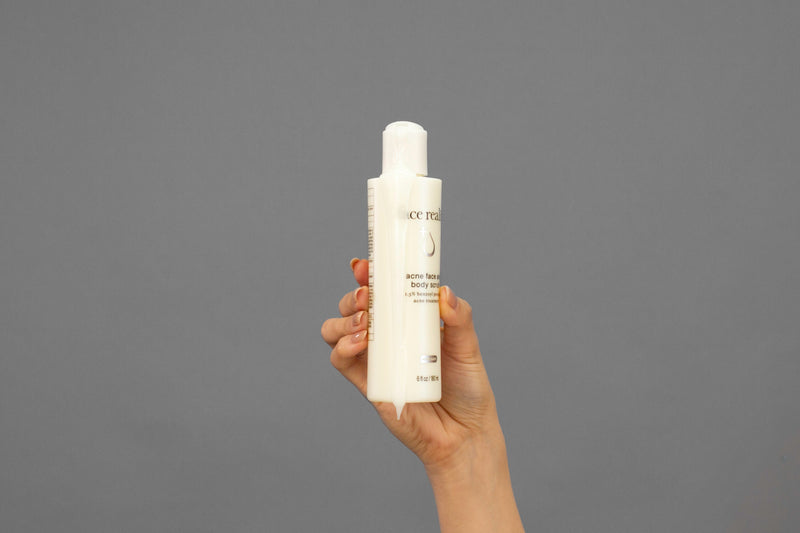
A 2.5% benzoyl peroxide wash for breakouts on both the face and body.
The Acne Face & Body Wash is our go-to when inflamed acne needs something stronger, especially for combination and oily skin. With 2.5% benzoyl peroxide, it helps clear breakouts and keep pores clean without being overly harsh. We always suggest easing it in slowly, a few times a week at first, and then working up to daily use if your skin needs it. It’s a great next step when gentler cleansers aren’t enough.
Laziza SFounder & Head Esthetician
Salicylic acid, two AHAs and a prebiotic complex that clear pores and exfoliate the surface in one step.
We tested the Face Reality Active Clarity Gel Cleanser for three months before launch at LAZ Clinic and noticed it works really well for oily skin, especially in the summer when skin gets oilier and more textured. For mild congestion and oiliness, you can use this twice a day and honestly you do not even need additional acids in your routine. In the winter, once a day or every other day is the right approach. It is a great option for skin that needs a deeper clean without a lot of extra steps.
Laziza SFounder & Head Esthetician
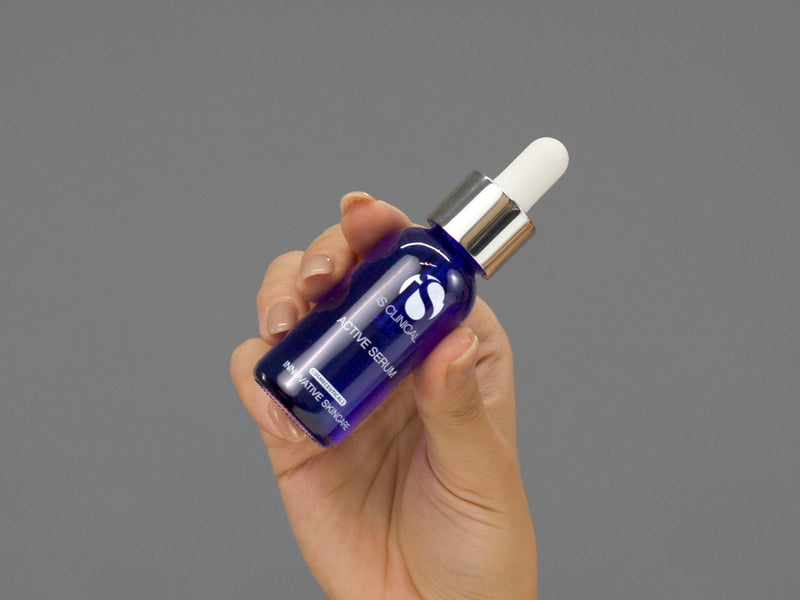
A serum with a cooling feel on application that brightens and smooths texture, with results that build over time.
If you’re dealing with any type of acne, pigmentation, or early signs of aging, iS Clinical Active Serum is a game-changer. It delivers visible results without leaving the skin dry or irritated. Our clients love how smooth, bright, and balanced their skin feels; we always recommend using it first before layering other products.
Laziza SFounder & Head Esthetician
Benzoyl peroxide in 2.5, 5 and 10% strengths. 2.5% is the strength we suggest for the face, and 10% is mostly used on the body.
What we like about the Advanced Acne Med is that it feels much less drying than traditional benzoyl peroxide. It goes on more evenly, feels more balanced, and works better for clients who struggle with irritation from other BP products. We usually suggest layering HydraRemedy Gel Serum underneath, letting it dry, and then applying Acne Med to keep the skin even more comfortable.
Laziza SFounder & Head Esthetician
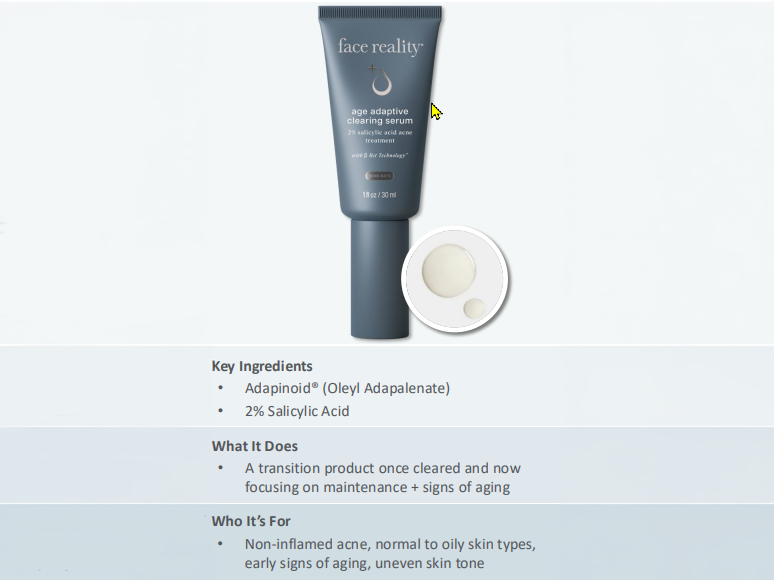
Retinaldehyde, retinol and a retinoid-like active with two exfoliating acids, for non-inflamed acne and aging skin at once.
If you have non-inflamed acne and you're also starting to see some signs of aging, this serum can tackle both concerns in one. It addresses acne and helps with anti-aging at the same time. You're getting a retinoid, salicylic acid, mandelic acid, and peptides all together, so it helps with clearing, exfoliating, and renewing your skin in one step. We especially like it for someone who is new to acne and anti-aging products and wants to just get started with one serum, or someone who has cleared their skin and is now maintaining and wants to simplify their routine. Don't overdo it. Start every other night, see how your skin responds, and build from there.
Laziza SFounder & Head Esthetician
The AlphaRet serum made for blemish-prone skin, adding salicylic acid and zinc PCA to the retinoid base.
If you’re dealing with oily or acne-prone skin, AlphaRet Clearing Serum is one of our top recommendations. It helps balance oil, clear active breakouts (even cystic), and fade post-acne marks while improving skin texture. What we love most is that it’s a true multitasker, no need to layer a bunch of single-ingredient products.
Laziza SFounder & Head Esthetician
Three exfoliating acids and a retinoid combined in one pad.
If you’re dealing with texture, melasma, pigmentation, fine lines, or acne scars, these peel pads are one of our favorite treatments. They give you that extra boost of exfoliation that helps fade dark spots, smooth wrinkles, and brighten dull skin. Our clients love how quickly they see their skin look clearer, more even, and healthier when adding these into their routine.
Laziza SFounder & Head Esthetician
Steps up from Alto Defense with dual external and internal oxidative-stress defense using 19 antioxidants.
If you’re struggling with redness, dullness, or uneven tone, Alto Advanced is hands-down one of the best antioxidant serums out there. It’s packed with powerful antioxidants that protect your skin from daily damage while helping it look brighter, calmer, and healthier. Our clients love how quickly their skin feels more resilient and radiant when they add this into their routine.
Laziza SFounder & Head Esthetician
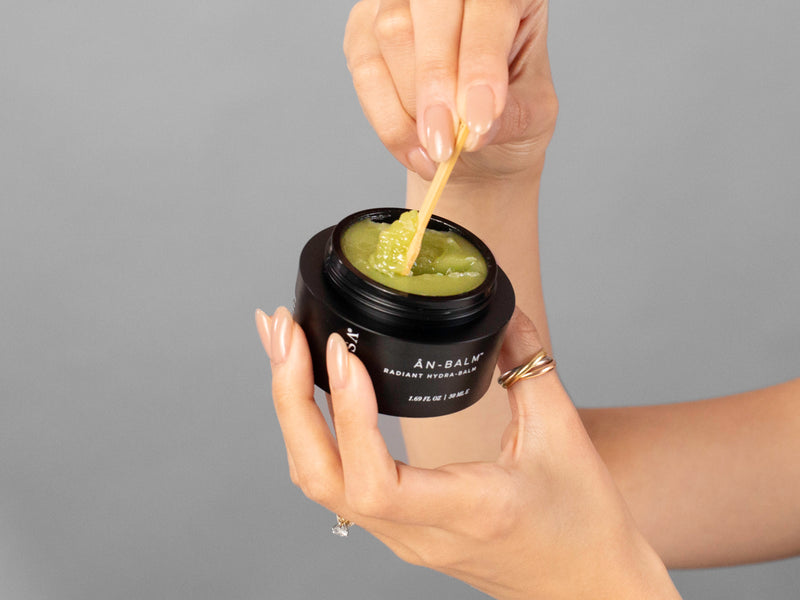
A waterless, multi-use balm you can also apply only on breakouts or use as an overnight mask.
If your skin gets reactive easily but also clogs easily, Anfisa An-Balm is such a good balance. Our rosacea-prone clients love it because it calms flare-ups while still feeling lightweight and breathable on the skin. We also like that it can be used alone or under a moisturizer depending on how dry the skin feels.
Laziza SFounder & Head Esthetician
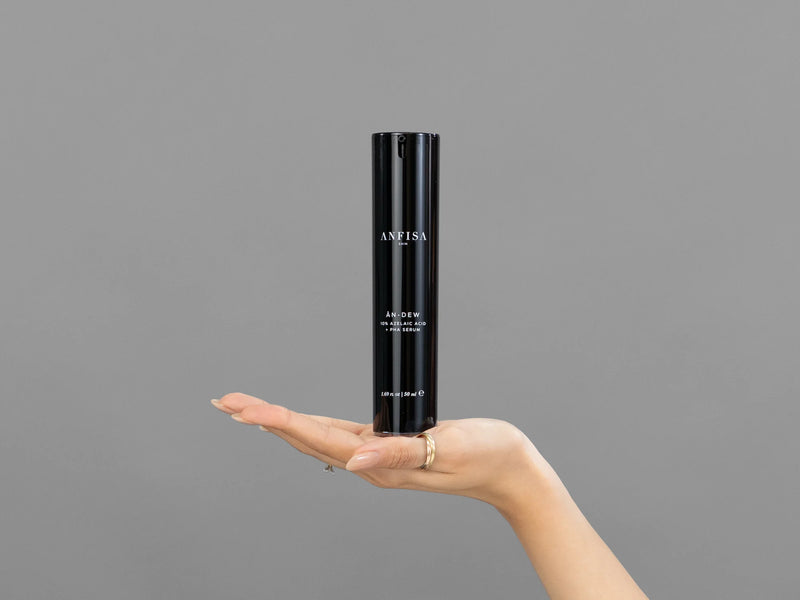
10% azelaic acid paired with PHAs for acne, congestion and post-breakout marks.
If your skin feels congested, textured, dull, uneven, and reactive all at once, Anfisa An-Dew is such an awesome serum because it helps with multiple concerns at the same time. We especially like it for clients dealing with combination acne, excess oil, and leftover PIE or PIH after breakouts. It gives the skin a fresh, smooth glow without irritation, and we also love that it’s pregnancy-safe.
Laziza SFounder & Head Esthetician
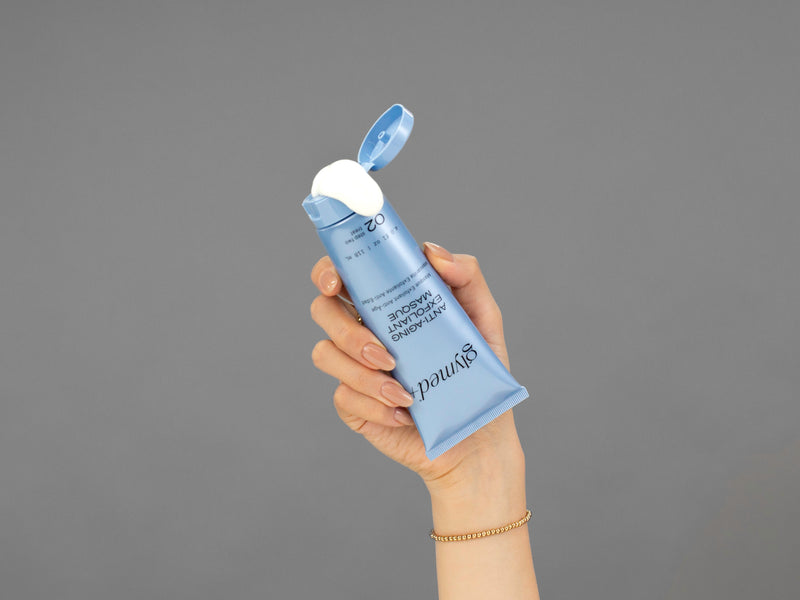
Jojoba beads and exfoliating acids together, especially for mature or dull skin.
If you’re dealing with aging skin, texture, or clogged pores, the Anti-Aging Exfoliant Masque is a great addition to your routine. Our clients notice how just one weekly treatment smooths their skin. It’s the perfect step before applying your weekly sheet mask.
Laziza SFounder & Head Esthetician
Jojoba beads plus antioxidants in a creamy cleanser-scrub hybrid, sulfate-free for acne-prone skin.
It is normal for acne sufferers to have sticky dead cells which prevent product penetration and create congestion when they get trapped in pores mixed with oils.
Face Reality Antioxidant Scrub is great for any type of non-inflamed acne, congestion, and/or heavy dead cell build-up on the surface (we do not want to scrub inflammation). We also recommend this scrub to clients who cannot use AHA/BHAs.
Laziza SFounder & Head Esthetician
A daily lotion that works on acne, discoloration and aging together.
Bioclear Face Lotion from Marini SkinSolutions is one of the products we recommend most for clients dealing with multiple concerns at once: breakouts, post-acne marks, uneven texture, and early signs of aging. The triple-acid combination does a lot of work in one step, which helps keep the routine effective without becoming overwhelming. Start slowly with once daily use and build up as tolerated. If you’re already using other actives, be mindful not to layer too many exfoliants at once.
Laziza SFounder & Head Esthetician
Applied to dry skin before water, which gives the glycolic acid more time on your skin.
The Bioglycolic Face Cleanser from Marini SkinSolutions is one we recommend for two types of clients: aging skin that has lost its brightness and needs a daily nudge to speed up cell turnover, and acne-prone skin that needs a texture reset. If you have either of these concerns, especially both, give it a try. Start slow and be mindful if you are already using other actives in your routine.
Laziza SFounder & Head Esthetician
A seven-day travel size of the Biojuve probiotic routine, a way to try it before a full size.
We and our clients are obsessed with the travel kit, because it is perfect for quick trips, post-microneedling care, or trying the routine before going full-size. I’ve been on BioJuve system since 2023 and love how simple it is. So good for travel or tossing in your bag when you’re on the go!
Laziza SFounder & Head Esthetician
5% benzoyl peroxide, a middle strength between the gentler washes and 10% formulas.
For clients dealing with persistent breakouts that don’t fully clear with basic routines, GlyMed Plus Blemish Control No. 5 is one of the products we reach for. We like it more for oilier skin types and for acne that keeps coming back. This is not something we typically recommend for sensitive skin. It’s better suited when the skin can tolerate more targeted support.
Laziza SFounder & Head Esthetician
10% benzoyl peroxide, a strength mostly used on the body, such as the chest and back.
Please keep in mind that Vivant BP 10% Gel isn’t a beginner acne product at all. At our NYC clinic we recommended it for clients who have more stubborn, inflammatory breakouts and when other products aren’t enough. We always want to achieve results with as low percentage and strength products as possible before jumping into using this gel! Stronger doesn't mean better, unless everything else stopped working. BP Gel needs to be introduced slowly and used correctly. If hyperpigmentation is a concern for some skin tones, we always start with mandelic acid before jumping into this.
Laziza SFounder & Head Esthetician
3% benzoyl peroxide wash for combination or acne-prone skin starting an acne routine.
We recommend Vivant Skincare BP Wash for clients dealing with inflamed acne. Because this formula doesn’t contain exfoliating particles, it can be used for both inflamed and non-inflamed acne depending on the routine.
Laziza SFounder & Head Esthetician
Benzoyl peroxide combined with exfoliating beads, targeting bacteria and buildup in one cleanse.
We recommend Vivant Skincare BP Exfoliating Cleanser for clients dealing with non-inflamed acne like clogged pores and blackheads. The benzoyl peroxide helps keep acne-causing bacteria under control, while the exfoliating particles help loosen buildup and unclog pores. It’s a great option when congestion is the main concern.
Laziza SFounder & Head Esthetician
Three ingredients that slow excess pigment, plus two exfoliating acids, in one wash.
If you’re dealing with post-acne marks, pigmentation, oiliness, texture, and congestion, Revision Skincare Brightening Facial Wash is a really good cleanser for acne-prone, oily, and combination skin types because it helps support clearer pores while also improving leftover discoloration from breakouts. Some clients will still need additional products, but this is a really good starting point to see how much improvement the skin gets from simply using the right cleanser consistently. We usually recommend using it for about 3 months before deciding whether you also need a weekly exfoliant or acne serum.
Laziza SFounder & Head Esthetician
A simple water-based scrub that suits all skin types.
This is a great option for clients dealing with non-inflamed acne, clogged pores, or mature skin with a lot of texture. Vivant Buffing Grains help loosen buildup and keep pores clearer without being overly aggressive. We like that the formula is very simple and generally well tolerated, even by more sensitive skin. It can also be easily combined with your favorite cleanser, which makes it a flexible exfoliating step in many routines. <3
Laziza SFounder & Head Esthetician
An alcohol-free toner with rose water and aloe that calms the skin, with no exfoliating acids.
If you have dry skin, inflammation, inflamed acne, or redness; we recommend the Face Reality Calming Facial Toner. It soothes breakouts, reduces swelling, and helps repair the skin barrier. We love pairing it with hydraRemedy Gel Serum and Barrier Balance Creamy Cleanser to restore balance. A healthy barrier not only calms acne but also supports anti-aging and overall skin healing.
Laziza SFounder & Head Esthetician
20% glycolic and lactic acid, formulated to work with your skin's nighttime repair rhythm.

A physical exfoliant and benzoyl peroxide in one product for the face and body, including chest and back breakouts.

A 2.5% benzoyl peroxide wash for breakouts on both the face and body.
Salicylic acid, two AHAs and a prebiotic complex that clear pores and exfoliate the surface in one step.

A serum with a cooling feel on application that brightens and smooths texture, with results that build over time.
Benzoyl peroxide in 2.5, 5 and 10% strengths. 2.5% is the strength we suggest for the face, and 10% is mostly used on the body.
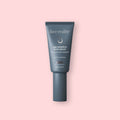
Retinaldehyde, retinol and a retinoid-like active with two exfoliating acids, for non-inflamed acne and aging skin at once.
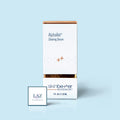
The AlphaRet serum made for blemish-prone skin, adding salicylic acid and zinc PCA to the retinoid base.

Three exfoliating acids and a retinoid combined in one pad.
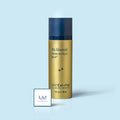
Steps up from Alto Defense with dual external and internal oxidative-stress defense using 19 antioxidants.
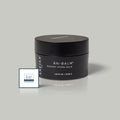
A waterless, multi-use balm you can also apply only on breakouts or use as an overnight mask.

10% azelaic acid paired with PHAs for acne, congestion and post-breakout marks.

Jojoba beads and exfoliating acids together, especially for mature or dull skin.

Jojoba beads plus antioxidants in a creamy cleanser-scrub hybrid, sulfate-free for acne-prone skin.

A daily lotion that works on acne, discoloration and aging together.

Applied to dry skin before water, which gives the glycolic acid more time on your skin.

A seven-day travel size of the Biojuve probiotic routine, a way to try it before a full size.
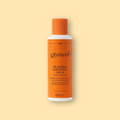
5% benzoyl peroxide, a middle strength between the gentler washes and 10% formulas.

10% benzoyl peroxide, a strength mostly used on the body, such as the chest and back.

3% benzoyl peroxide wash for combination or acne-prone skin starting an acne routine.

Benzoyl peroxide combined with exfoliating beads, targeting bacteria and buildup in one cleanse.

Three ingredients that slow excess pigment, plus two exfoliating acids, in one wash.


An alcohol-free toner with rose water and aloe that calms the skin, with no exfoliating acids.