5 min read

Hyaluronic acid holds around a thousand times its own weight in water. Applied properly, your skin looks plumper and fine lines look softer the same day. Applied the wrong way, it can quietly leave your skin tighter than before, and that part almost nobody explains.

The short answer

Hyaluronic acid is a humectant, meaning it pulls water in and holds it. Applied to damp skin and sealed with a moisturizer, it plumps the surface, softens the look of fine lines and makes skin more comfortable within minutes. It suits every skin type and works from the first use. The one thing to get right is the application, because a humectant on dry skin in dry air can pull water out of you instead.

Suits All skin types, Dehydrated, Dry, Sensitive, Mature, Oily
Read time 5 min
Diagram comparing hyaluronic acid applied to dry skin, where water evaporates away, with damp skin sealed under moisturizer, where the water stays held in the upper layers.
On dry skin with nothing over it, a humectant pulls water up from your deeper layers and lets it evaporate. Damp skin and a moisturizer solve it.

What it does

Hyaluronic acid is a humectant, meaning it pulls water in and holds it. Applied to damp skin and sealed with a moisturizer, it plumps the surface, softens the look of fine lines and makes skin more comfortable within minutes. It suits every skin type and works from the first use. The one thing to get right is the application, because a humectant on dry skin in dry air can pull water out of you instead.

Dry skin and dehydrated skin are not the same thing

This distinction decides whether hyaluronic acid will help you, so it is worth getting straight first.

Dry skin lacks oil. It is a skin type, meaning it is how your skin generally is, and it tends to be flaky and rough all year round and all over.

Dehydrated skin lacks water. It is a temporary state rather than a type, so anyone can have it, including people with oily skin. It feels tight while still being shiny in places, and fine lines look worse when you are tired or after a flight.

Here is the question we ask in the clinic, and it sorts it quickly: does your skin feel noticeably better in summer? Dry skin usually does, because warmth and humidity help it hold onto what little oil it makes. If your skin is happiest in July and miserable in January, you are most likely dry rather than dehydrated.

Hyaluronic acid is the answer to dehydration. Dry skin needs oils and lipids alongside the water.

How hyaluronic acid works

Hyaluronic acid is a humectant, which is simply a substance that attracts water and holds onto it. It is remarkably good at it, holding something like a thousand times its own weight.

On your skin, that water gathers in the upper layers and swells them slightly. Plump cells sit tighter together, the surface becomes smoother, and light bounces off it more evenly. That is why fine lines look softer within minutes of applying it and why skin looks better rested.

It is a real effect and it is a surface effect, which is worth knowing so you are not disappointed when it does not last through a dry afternoon without support.

The part that catches people out

A humectant takes water from wherever it can get it. Ideally that is the serum you applied it in, and the humidity in the air around you.

But if you apply hyaluronic acid to dry skin on a dry winter day, with the heating on and nothing sealed over the top, the nearest available water is in your own deeper layers. It pulls moisture upward, that moisture evaporates off the surface, and you end up tighter than when you started.

This is the single most common reason people say hyaluronic acid does not work for them, and it is nearly always application rather than the product.

The fix is simple. Apply it to damp skin, and put a moisturizer over the top to hold everything in.

Where hyaluronic acid comes from

You already have it. Hyaluronic acid sits in your skin, your joints and your eyes, holding water where your body needs it, and roughly half of what you have is in your skin. Your supply drops as you age, which is part of why skin looks less plump over time.

It used to be extracted from rooster combs, which is exactly as unappealing as it sounds. Nearly everything on the market now is made by fermenting bacteria, which is cleaner, vegan and gives a far more consistent product.

Diagram comparing dry skin, which lacks oil and is a skin type, with dehydrated skin, which lacks water and is temporary.
This distinction decides whether hyaluronic acid will help you. Dry skin lacks oil. Dehydrated skin lacks water.

What to look for on a label

Molecular weight, and why good serums use several

Hyaluronic acid comes in different sizes, and size decides where it ends up. High molecular weight stays on the surface, forming a light film that holds water and gives you that immediate smoothing. Low molecular weight is small enough to sit further down, where it hydrates the layers beneath rather than the very top.

Neither is better, which is why the better serums use two or three weights together. You get the instant plumpness and the deeper hydration from one product. If a label mentions multi-weight or multi-molecular hyaluronic acid, that is what it is telling you, and it is a reasonable thing to look for.

Hyaluronic acid or sodium hyaluronate?

You will see both on labels, often in the same product, and they are close relatives rather than rivals. Sodium hyaluronate is the salt form: smaller, more stable in a formula, and better at getting past the surface. Plenty of products listing hyaluronic acid on the front are using sodium hyaluronate in the ingredients, and that is not a trick. It is usually the more practical choice.

What should be alongside it

A humectant on its own is only half a hydration strategy. The best hydrating products pair hyaluronic acid with something occlusive or emollient that slows water escaping, which is why a serum plus a moisturizer beats a serum alone every time. Glycerin, squalane, ceramides and panthenol all do that supporting job.

How it fits with everything else

There is nothing hyaluronic acid conflicts with. Use it morning and night, under everything. It is particularly useful on the nights you use a retinoid or an acid, because comfortable skin will keep tolerating actives, and skin that is tight and irritated will not.

Common questions

Why does it make my skin feel tight?

Almost always because it went on dry skin with nothing over it, so it drew water up from your deeper layers and let it evaporate. Damp skin, then moisturizer on top, and the problem usually disappears.

Dry climates and heated rooms make it more likely, so if you started noticing it in winter, that is why.

Is my skin dry or dehydrated?

Dry skin lacks oil and tends to be flaky, rough and dry all year, all over. Dehydrated skin lacks water and feels tight while still being oily in places, often with fine lines that look worse when you are tired or after a flight.

Here is the question we ask in the clinic, and it sorts it quickly: does your skin feel noticeably better in summer? Dry skin usually does, because warmth and humidity help it hold onto what little oil it makes. If your skin is happiest in July and miserable in January, you are most likely dry rather than dehydrated.

It is also common to be both, because skin short on oil struggles to hold water in. Hyaluronic acid is the answer to the dehydration either way. If you are dry as well, it needs oils and fats alongside it rather than on its own.

Will it get rid of my wrinkles?

It softens how fine lines look by hydrating the skin around them, and that is genuinely visible.

What it does not do is change the line itself, because the causes sit much deeper: collagen and elastin breaking down, and further down still, the fat pads in your face thinning and shifting with age.

For structural change you want a retinoid or glycolic acid working on the collagen, with hyaluronic acid alongside them for comfort and for the look of your skin day to day.

Is this the same as filler?

Same molecule, completely different scale.

A serum hydrates the top layers of your skin, and those hydrated layers sit a little fuller, which is why your skin looks smoother and better rested. That is a surface effect and it washes off.

Filler is cross-linked into a gel and injected into deeper tissue by a clinician, where it stays for months and changes the contour of your face. A serum cannot do that, and it is worth knowing so you are not expecting it to.

Do I still need moisturizer?

Yes, and it matters most if your skin is short on oil. A humectant pulls water in and a moisturizer stops it leaving.

Skin that does not make much oil of its own has nothing holding that water in, which is why the serum alone will always feel like it is not quite enough.

Does drinking water do the same thing?

Stay hydrated for every other reason, and it will not do this job. Water you drink is distributed by your body according to its own priorities, and your skin is not high on that list.

There is a second reason it does not help much. If your barrier is weak, water is escaping through the surface faster than it should, which is why dry and compromised skin stays dehydrated no matter how much you drink. You have to slow the water leaving, and that is a job for what you put on your skin.

Cross-section diagram showing three molecular weights of hyaluronic acid working at three different depths in the skin.
Heavier weights plump the surface, lighter ones hydrate beneath. Good serums use two or three together.

How to use it

There are two halves to using hyaluronic acid well, and they matter equally. Give it water to work with, then stop that water leaving.

  • Apply to damp skin. Straight after cleansing while your face is still wet, or after a hydrating mist. On dry skin, the humectant has to find water somewhere, and the only place left is you.
  • Seal it in with a moisturizer. This half is not optional, and it is the step people skip. Without it, the water you just drew in evaporates off the surface.
  • You do not have to rush. It is fine for the serum to dry down before you carry on, and if you use other serums they go on in between as usual. Nothing is lost while you work through your routine.
  • A few drops is plenty. Layering on more does not hold more water, it makes products pill and roll off, and your skin can only absorb so much at once. Overloading one step means everything after it has nowhere to go.
  • Morning and night is fine. There is nothing to build up to and nothing to react against.
  • In dry air, on a plane, or in a heated room in winter, be especially careful about the sealing step. That is when a humectant is most likely to work against you.
  • Use it on the nights you use your retinoid or an acid. Hydrated skin keeps tolerating actives.
  • Broad spectrum SPF 30 or higher every morning, reapplied through the day.
Evidence and sources

A note on the evidence. Hyaluronic acid is well studied as a humectant, and its ability to hold water and improve skin hydration and surface smoothness has been measured repeatedly, so the immediate effects described here are on firm ground. Where claims get looser is around molecular weight: the idea that low molecular weight forms reach the deeper layers and do more than hydrate is plausible and supported by some laboratory work, but it is not as settled as marketing suggests. The reliable promise is hydration and the look of plumper skin, which is worth having on its own.

Last reviewed

Products with Hyaluronic Acid

  • SkinBetter Science

    A-Team Duo Kit

    5.0 out of 5.0 stars

    $185.00

  • KrX Aesthetics

    Active 31 Revitalizing Eye Cream

    5.0 out of 5.0 stars

    $46.00

  • SkinBetter Science

    AlphaRet Overnight Cream

    5.0 out of 5.0 stars

    From $76.00

  • Plated

    $338.00

  • Plated

    Calm Serum

    5.0 out of 5.0 stars

    $258.00

  • Hydrinity

    Encore Body Hydrator

    5.0 out of 5.0 stars

    From $20.00

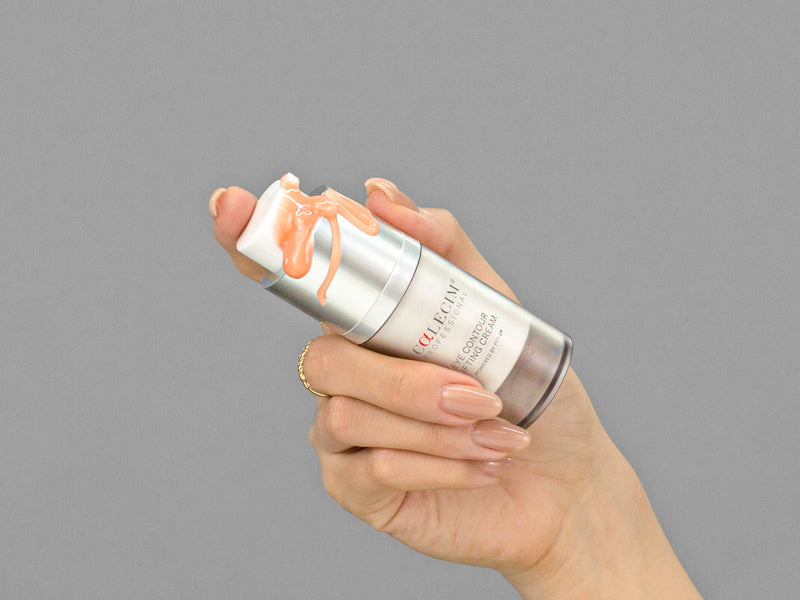
  • Calecim

    Eye Contour Lifting Cream

    5.0 out of 5.0 stars

    $160.00

  • Hydrinity

    Eye Renew Complex

    4.7 out of 5.0 stars

    From $20.00

  • Plated

    Eye Serum

    4.6 out of 5.0 stars

    $138.00

  • Plated

    Hair Serum

    4.5 out of 5.0 stars

    $379.00

  • Plated

    Intense Serum

    4.9 out of 5.0 stars

    From $244.00

  • SkinBetter Science

    Intensive AlphaRet Overnight Cream

    4.9 out of 5.0 stars

    From $145.00

  • KrX Aesthetics

    Jelly Mist Spray on Gel Mask

    5.0 out of 5.0 stars

    $45.00

  • Young Goose

    $196.50

  • KrX Aesthetics

    $14.00

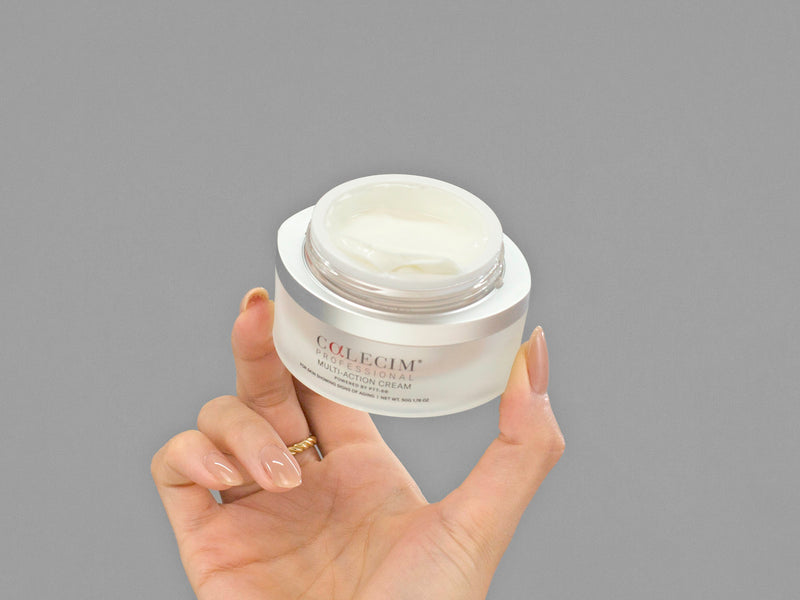
  • Calecim

    Multi-Action Cream

    5.0 out of 5.0 stars

    $200.00

  • KrX Aesthetics

    Neck Lift Intensive Firming Cream

    5.0 out of 5.0 stars

    $50.00

  • Calecim

    Professional Pigment Solution

    5.0 out of 5.0 stars

    $148.00

  • Calecim

    Professional Serum

    4.8 out of 5.0 stars

    $100.00

  • KrX Aesthetics

    $40.00

  • Hydrinity

    Renewing HA Serum

    4.9 out of 5.0 stars

    From $20.00

  • Hydrinity

    Restorative HA Serum

    4.9 out of 5.0 stars

    From $20.00

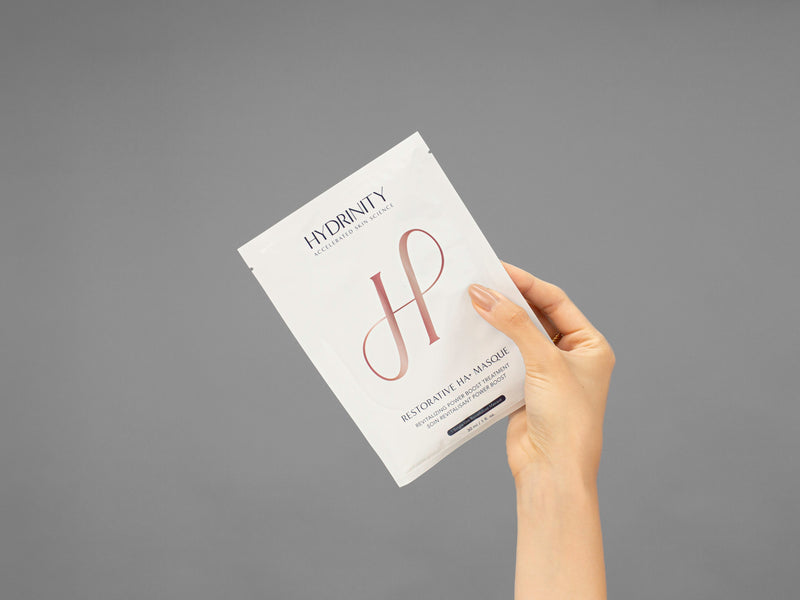
  • Hydrinity

    Restorative HA+ Mask

    4.4 out of 5.0 stars

    $120.00

  • Hydrinity

    Retaxome Daily Retinal Hydrator

    5.0 out of 5.0 stars

    From $20.00

More Ingredient Guides

View all

German chamomile flowers beside a slate blue dish holding drops of clear, pale golden oil on a warm stone surface.

Bisabolol for Calming Redness and Irritation

Bisabolol is the calming compound first found in chamomile, and it quiets the inflammation behind redness, stinging and itch. Here is how it works, who it suits and how to use it.
Read moreabout Bisabolol for Calming Redness and Irritation

Fresh comfrey leaves and purple flowers beside a slate blue dish of fine white allantoin powder on a warm stone surface.

Allantoin for Rough, Dry and Irritated Skin

Allantoin softens rough, flaky skin and soothes irritation, and the US FDA recognizes it as a skin protectant. Here is how it works, what the research shows and how to use it.
Read moreabout Allantoin for Rough, Dry and Irritated Skin

Fresh centella sprigs with small round scalloped leaves on a warm stone surface beside a slate blue ceramic dish, against a soft blush backdrop.

Centella for Redness and Reactive Skin

Centella calms inflammation, helps skin hold on to water and supports repair after irritation. Here is what the research shows, what cica means on a label and how to use it.

Read moreabout Centella for Redness and Reactive Skin