6 min read

Your skin takes damage every day from sunlight and pollution, and you do not feel any of it happening. Glutathione is the antioxidant your own cells make to deal with that damage, and they make it constantly because they cannot function without it. Levels fall as you get older.

The short answer

Glutathione is a small protein your body builds and uses as its main antioxidant. Applied to your skin it neutralizes the damage caused by sun and pollution, and it slows the enzyme that produces pigment, so tone evens out gradually. Expect the protective work to be invisible and the change in tone to take two to three months.

Suits All skin types, Sensitive, Normal, Combination, Dry, Mature
Read time 6 min
Diagram showing glutathione restoring a spent vitamin C molecule so it can work again.
Most antioxidants are used up once they have done their job. Glutathione puts the others back into service.

What it does

Glutathione is a small protein your body builds and uses as its main antioxidant. Applied to your skin it neutralizes the damage caused by sun and pollution, and it slows the enzyme that produces pigment, so tone evens out gradually. Expect the protective work to be invisible and the change in tone to take two to three months.

What daily damage actually is

When sunlight or pollution reaches your skin, it creates unstable molecules called free radicals. Each one is missing a piece of itself, and it will take that piece from whatever is nearest.

That might be your collagen, the fats that hold your skin barrier together, or the DNA inside a skin cell. Every theft causes a small amount of damage. None of it is visible on the day it happens, and you see it years later as dullness, uneven tone and skin that has lost its firmness.

An antioxidant is simply a molecule that can hand over the missing piece safely. It satisfies the free radical before your skin has to, and nothing important is harmed in the exchange.

What makes glutathione different

Glutathione is a tripeptide, which means three amino acids joined together. Your body assembles it from glutamate, cysteine and glycine, and it does so in almost every cell you have.

It is often called the master antioxidant, and that name is earned rather than marketing. Most antioxidants are used up once they have done their job. Glutathione restores other antioxidants after they have been spent, including vitamin C and vitamin E, putting them back into service. It sits behind the whole system rather than beside it.

Your own levels fall with age, and they fall faster with sun exposure, pollution, illness and stress. How much glutathione your cells have available is part of what decides how well they cope.

Why it also works on uneven tone

Your skin contains cells whose job is to make a brown pigment called melanin. Melanin is what gives your skin its color, and it is also a defense system: when your skin is threatened, those cells produce extra melanin to shield the tissue underneath. Sun, heat, inflammation and hormones all set that off, and a dark patch is simply a group of cells producing more than their neighbors.

Making melanin depends on an enzyme called tyrosinase, and glutathione interferes with it in three separate ways.

It binds the copper that tyrosinase needs in order to work, which is the same approach kojic acid takes. It reduces the oxidative stress that prompts pigment production in the first place, which is its antioxidant side doing double duty. And it appears to disrupt the enzyme being delivered to the compartments where melanin is assembled, so less of it arrives where it would be useful.

To be clear about what that means. Glutathione acts on pigment cells that are overproducing in response to a trigger. Your natural skin tone comes from your genes and is not affected by it. What you are working towards is an even tone rather than a lighter one.

It also reduces the new excess pigment rather than erasing what is already there. Existing marks fade as your skin replaces its surface cells over four to six weeks, so the difference builds across several cycles rather than appearing at once.

Where it comes from

You make it. Glutathione is not a plant extract or a laboratory invention, it is a compound your own cells produce continuously and cannot do without.

What goes into skincare is produced by fermentation, so a formula contains a known and consistent amount.

Diagram showing the three ways glutathione interferes with tyrosinase: binding its copper, reducing oxidative stress and blocking its delivery.
Three separate points of interference with the enzyme that makes pigment, which is unusual for one ingredient.

What the research shows

Glutathione comes with some large claims attached, which makes it worth saying where the evidence actually sits.

The antioxidant side is not in question. Glutathione's role in your cells has been studied for decades, well beyond skincare, and it is thoroughly established.

On skin specifically, the evidence is real and early. Placebo-controlled trials of a two percent lotion have measured reduced pigment, less water loss through the skin, improved moisture, and reduced wrinkle depth. Reviews have found half a percent to work better than lower amounts. Those trials were small and ran for weeks rather than years, which is why we describe the effect as gradual.

What to look for on a label

The names it goes by

On an ingredient list it appears as glutathione, or as glutathione disulfide, which is a more stable version of the same thing and the form used in most of the trials. Marketing copy sometimes shortens it to GSH. All of these refer to the same ingredient.

Half a percent and above is where the useful research sits, though most brands do not state a figure.

Packaging matters more than usual

Glutathione breaks down when exposed to air and light, much as vitamin C does. Opaque or dark packaging with an airless pump is what you want, and an open jar on a bright shelf is the wrong format.

If a product changes color noticeably after you open it, treat that as a sign it has degraded and is no longer doing what you paid for.

Where it sits in your routine

Most glutathione products are serums, which means yours goes on after cleansing and before your moisturizer. If your glutathione comes in a moisturizer instead, that is your moisturizer step.

What works best with glutathione

You will rarely find glutathione on its own, and that is appropriate rather than a shortcut.

Because it restores vitamin C and vitamin E after they have been used up, a formula containing all three is doing something coherent. For uneven tone, niacinamide stops finished pigment being passed to your surface cells, while arbutin and kojic acid slow the manufacturing enzyme from other angles. Combining them covers more of the process than any one alone.

Sunscreen every morning, reapplied through the day. Sun is both the main source of the damage glutathione is intercepting and one of the main triggers for the excess pigment it is working on, which means protection does as much for your result as the serum does.

Common questions

Will it change my natural skin tone?

No. Glutathione acts on pigment cells that are overproducing in response to sun, heat, inflammation or hormones. Your natural tone is genetic and is not affected. What you are working towards is evenness.

How long until I see results?

The antioxidant work starts immediately and you will never see it directly, because preventing damage looks like nothing happening. Evening of tone builds over two to three months, since you are waiting on your skin to replace its surface several times.

Photograph your skin on day one and again every four weeks, in natural daylight and from the same spot each time. Indoor lighting and phone cameras both change how tone reads, so keeping those consistent is what makes the comparison honest.

Can I use it with vitamin C?

Yes, and they belong together. Glutathione restores vitamin C after it has been used up, so the two support each other rather than competing. Plenty of well-made products contain both.

Can I take it as a supplement instead?

You can raise your body's glutathione by mouth, and it is worth being straight about how.

Plain glutathione capsules are the least efficient route, because much of what you swallow is broken down in your digestive system before it is absorbed. The more reliable approach is a precursor, which is a building block your body assembles glutathione from. N-acetylcysteine, usually sold as NAC, is the one with the most research behind it, because the cysteine it supplies is the step that normally limits how much glutathione your body can make. Clinical trials consistently show oral NAC raising glutathione levels in the body.

What that does not guarantee is how much of it reaches your skin. Your body distributes glutathione according to its own priorities, and your skin is not near the top of that list, which is why applying it topically is the more dependable way to get it where you want it.

Doing both is reasonable. If you are considering a supplement, speak to your doctor first, particularly if you take any other medication.

What about glutathione drips and injections?

These are a different thing entirely from a serum, and they are not something we would suggest. Intravenous glutathione has been linked in published medical reports to serious problems including liver and kidney damage, there are no agreed dosing protocols, and the evidence that it works is poor.

A product you apply to your skin carries none of that. If someone has offered you an intravenous course, speak to your doctor before going anywhere near it.

Is it safe in pregnancy?

There is no research on topical glutathione in pregnancy, which is true of most skincare ingredients since they are not tested on pregnant people. Ask your OB or midwife and follow what they say.

If you would rather use something with a longer track record in the meantime, a plain vitamin C serum covers the antioxidant side and works on uneven tone too.

Diagram comparing a topical glutathione serum, which works on your skin, with an intravenous drip, which is a different proposition.
A serum on your face and an intravenous drip are not the same thing. The serum is the one with the gentler risk profile.

How to use it

  • Once or twice daily on clean skin. Most glutathione products are serums, which go on before your moisturizer. If yours is a moisturizer, it takes the place of your usual one.
  • There is no adjustment period and nothing to build up to, which means you can use it every day from the start.
  • Morning use makes the most of the antioxidant side, because that is when the damage is happening. Evening use is not wasted.
  • Apply it across the whole area rather than dabbing it on individual marks. Excess pigment you cannot see yet is already forming.
  • Keep the bottle somewhere cool and dark and close it properly. Glutathione breaks down in air and light.
  • Broad spectrum SPF 30 or higher every morning, reapplied through the day. Without it you are intercepting damage while letting more of it in.
  • Photograph your skin on day one and every four weeks, in natural daylight from the same spot, and give it three months.
Evidence and sources
  • Sarkar R, et al. Glutathione as a skin-lightening agent and in melasma: a systematic review. International Journal of Dermatology, 2025. Reviews the topical, oral and intravenous evidence. Read the review
  • Systematic Review of the Efficacy and Safety of Topical Glutathione in Dermatology. Journal of Clinical and Aesthetic Dermatology. Covers the three tyrosinase mechanisms described here. Read the review

A note on the evidence. Glutathione's role as your body's principal internal antioxidant is thoroughly established and studied far beyond skincare. Its effects on tyrosinase have been described in detail, including the copper binding and the disruption of the enzyme reaching the compartments where melanin is made.

The clinical work on applying it to skin is thinner. Those trials are small, short and of variable quality. We carry products containing glutathione for its antioxidant protection and its effect on uneven tone, and we will keep reading as better research arrives.

Last reviewed

Products with Glutathione

  • iS Clinical

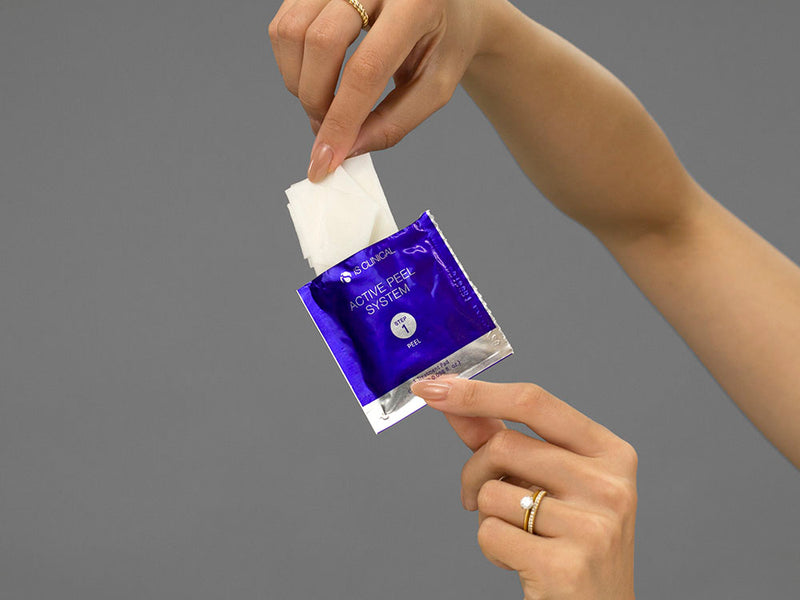
    Active Peel System

    5.0 out of 5.0 stars

    $99.00

  • iS Clinical

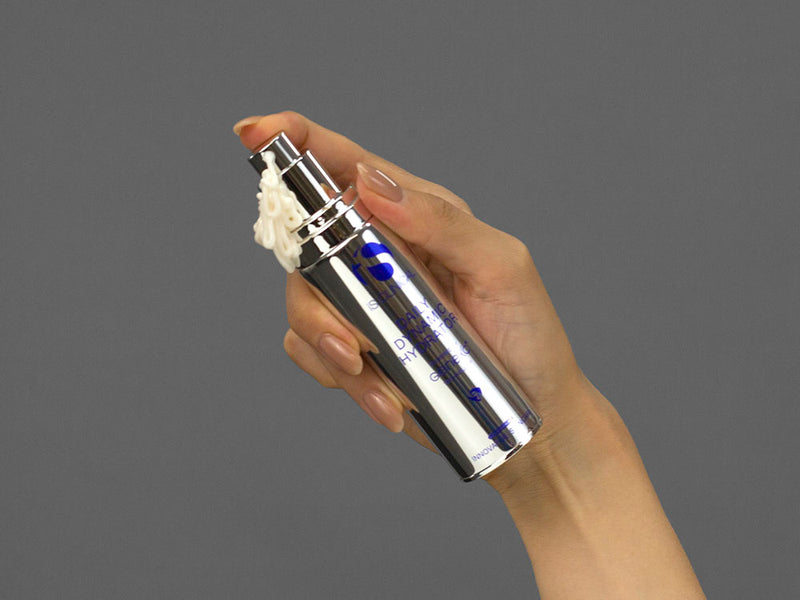
    Daily Dynamic Hydrator

    5.0 out of 5.0 stars

    $135.00

  • iS Clinical

    GeneXC Firming Eye Gel

    5.0 out of 5.0 stars

    $130.00

  • KrX Aesthetics

    Jelly Mist Spray on Gel Mask

    5.0 out of 5.0 stars

    $45.00

  • Calecim

    Professional Pigment Solution

    5.0 out of 5.0 stars

    $148.00

  • iS Clinical

    $117.00

  • iS Clinical Active Peel System
    5.0 out of 5.0 stars
    $99.00

    iS Clinical

    Active Peel System 5.0 out of 5.0 stars

    $99.00

    Two-step at-home peel that resurfaces, hydrates, and brightens for balanced, glowing skin.

  • 5.0 out of 5.0 stars
    $135.00

    iS Clinical

    Daily Dynamic Hydrator 5.0 out of 5.0 stars

    $135.00

    Deeply hydrates, improves firmness, and defends skin against daily stressors for long-lasting balance.

More Ingredient Guides

View all

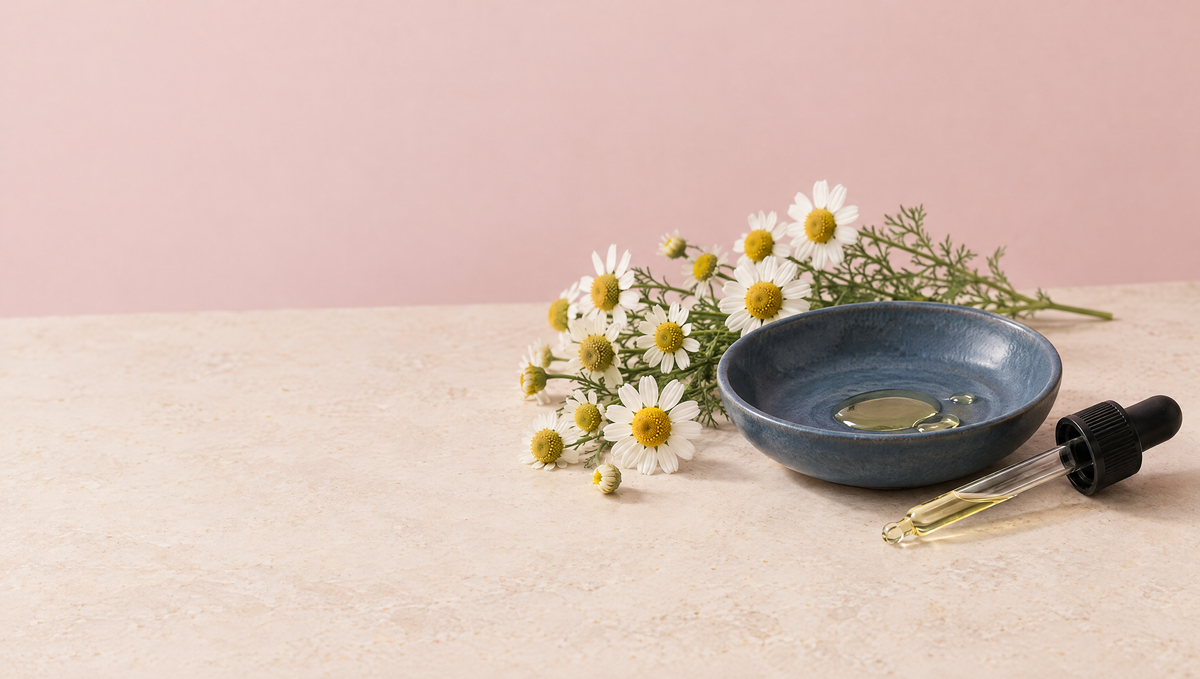
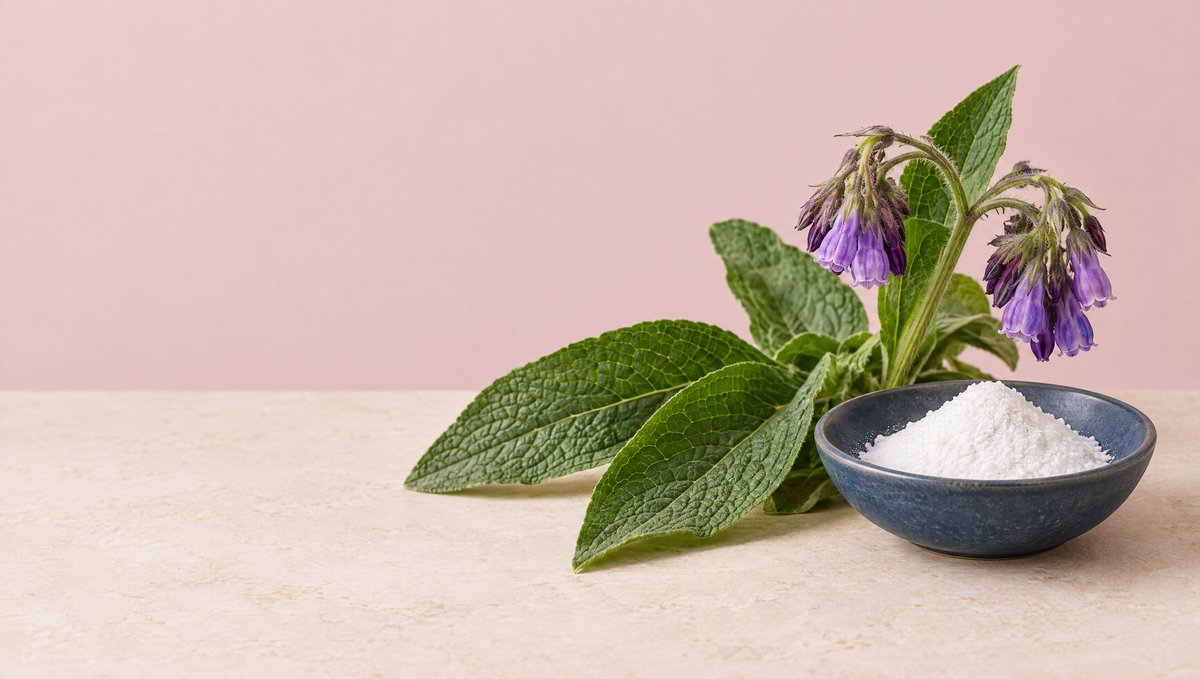
German chamomile flowers beside a slate blue dish holding drops of clear, pale golden oil on a warm stone surface.

Bisabolol for Calming Redness and Irritation

Bisabolol is the calming compound first found in chamomile, and it quiets the inflammation behind redness, stinging and itch. Here is how it works, who it suits and how to use it.
Read moreabout Bisabolol for Calming Redness and Irritation

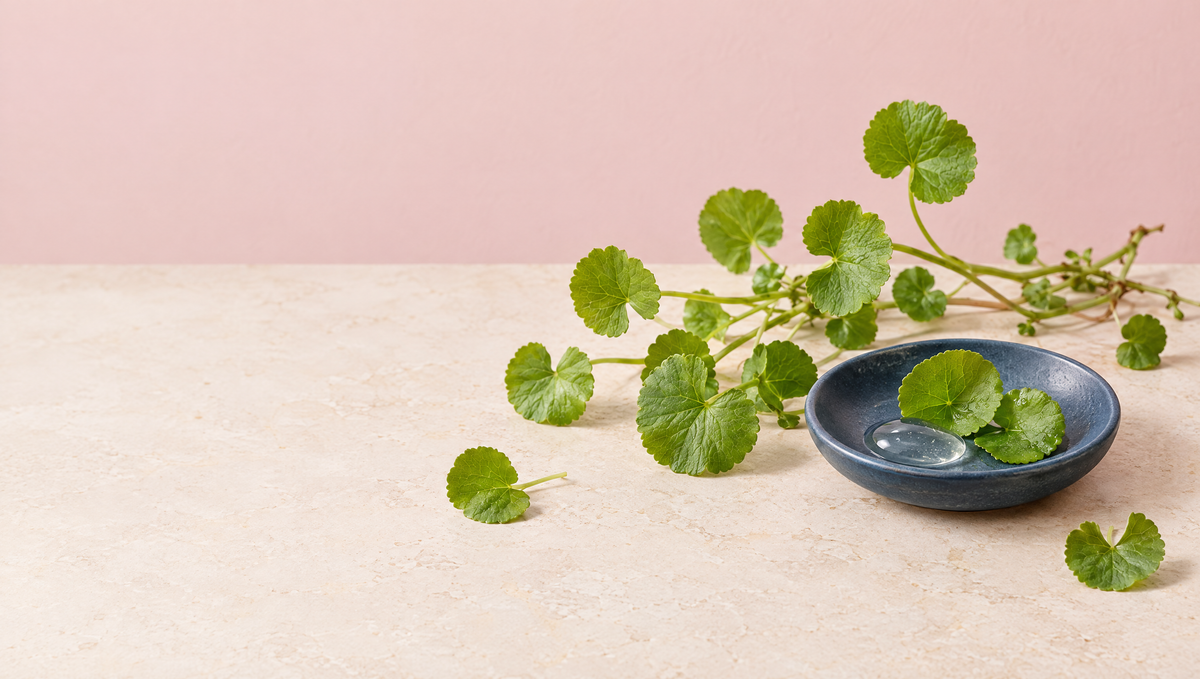
Fresh comfrey leaves and purple flowers beside a slate blue dish of fine white allantoin powder on a warm stone surface.

Allantoin for Rough, Dry and Irritated Skin

Allantoin softens rough, flaky skin and soothes irritation, and the US FDA recognizes it as a skin protectant. Here is how it works, what the research shows and how to use it.
Read moreabout Allantoin for Rough, Dry and Irritated Skin

Fresh centella sprigs with small round scalloped leaves on a warm stone surface beside a slate blue ceramic dish, against a soft blush backdrop.

Centella for Redness and Reactive Skin

Centella calms inflammation, helps skin hold on to water and supports repair after irritation. Here is what the research shows, what cica means on a label and how to use it.

Read moreabout Centella for Redness and Reactive Skin