6 min read

Your skin takes damage every day from sunlight and pollution, and you do not feel any of it happening. It shows up years later as dull tone, brown patches and skin that has lost its firmness. Vitamin C intercepts that damage as it happens, and helps repair some of what has already accumulated.

The short answer

Vitamin C does three things. It neutralizes the damage sunlight and pollution cause during the day, it slows the enzyme that makes pigment, which helps dark patches fade, and it helps your skin build collagen. Results build over months rather than weeks, and which form you choose matters more than most people expect.

Suits All skin types, Normal, Combination, Oily, Mature, Dry
Read time 6 min
Diagram comparing skin without vitamin C, where an unstable particle damages collagen, and skin with vitamin C, where the particle takes what it needs from the vitamin C instead and the collagen stays intact.
A free radical takes what it is missing from whatever is nearest. Vitamin C offers it up safely, so your collagen is left alone.

What it does

Vitamin C does three things. It neutralizes the damage sunlight and pollution cause during the day, it slows the enzyme that makes pigment, which helps dark patches fade, and it helps your skin build collagen. Results build over months rather than weeks, and which form you choose matters more than most people expect.

A closer look at those three jobs

Vitamin C is doing all three of these at once, every day you use it. Here is what each one actually involves.

It stops daily damage

When sunlight or pollution hits your skin, it creates unstable molecules called free radicals. Each one is missing a piece of itself, and it will take that piece from whatever is nearest. That might be your collagen, the fats that make up your skin barrier, or the DNA inside a skin cell. Every theft causes a small amount of damage.

None of that damage is visible on the day it happens. You see it years later, as dullness, brown patches and skin that has lost its bounce, which is why preventing it is so much easier than correcting it afterwards.

Vitamin C is an antioxidant, and what that means in practice is simple. It has spare pieces to give. When a free radical comes looking, vitamin C hands one over willingly, and the free radical is satisfied without taking anything from your collagen or your skin cells. Giving pieces away is what vitamin C is built to do, so nothing is harmed in the exchange.

It fades dark patches

Your skin makes pigment using an enzyme called tyrosinase. Vitamin C slows that enzyme down, which means less new pigment is made, and the patches you already have fade as your skin replaces its surface cells over the following weeks.

Your natural skin tone is genetic and is not affected by this. What changes is the excess pigment your skin produced in response to sun, inflammation or hormones.

It helps your skin build collagen

This is the part most people do not know. The enzymes that assemble collagen cannot finish the job without vitamin C present, which is why a severe deficiency stops wounds healing altogether.

Applying vitamin C supplies it right where your skin is doing that building. It is a slower route to firmness than a retinoid, and it is a real one, which is why the two are often used together.

Where it comes from

Vitamin C is the same nutrient found in citrus fruit and peppers. What goes into skincare is made in a lab, which is how a formula can contain a known and controlled percentage rather than whatever happened to be in that batch of fruit.

Do eat your oranges. Dietary vitamin C genuinely supports your skin, along with the rest of you. What it will not do is deliver the concentration your skin needs for the jobs described above, because your body shares what you eat across every organ that needs it and your skin is a long way down that queue. Applying it directly is how you get a useful amount to your face. Both are worth doing.

Chart comparing three forms of vitamin C by speed and gentleness, from ascorbic acid through tetrahexyldecyl ascorbate to the phosphate derivatives.
Resilient skin and want results sooner, start with ascorbic acid. Reactive skin, start with one of the others. Both routes get you results.

What to look for on a label

The forms, and which suits you

Vitamin C appears on labels under several names, and they behave differently enough to matter.

Ascorbic acid, sometimes written as L-ascorbic acid, is pure vitamin C. It is the form with the most research behind it and it works the fastest. It is also the least stable and the most likely to sting, because it needs an acidic formula to get into your skin. Ten to twenty percent is the usual range.

Tetrahexyldecyl ascorbate is an oil-soluble form. It is far more stable, it does not sting, and it suits dry and sensitive skin. It works more gradually.

Sodium ascorbyl phosphate, magnesium ascorbyl phosphate and 3-O-ethyl ascorbic acid are the gentler everyday options. Your skin converts them into usable vitamin C once they are in. They work more slowly than pure ascorbic acid and they are far less likely to irritate.

If your skin is resilient and you want results sooner, start with ascorbic acid. If your skin is reactive or you have had trouble with strong ingredients before, start with one of the others. All of them are excellent, and both routes get you results.

Vitamin C oxidizes, and you can see it happening

This is the most useful thing to know about buying vitamin C. Exposure to light, heat and air breaks it down, and as it breaks down it turns from clear or pale straw color to orange, then brown.

A serum that has gone orange has lost a good deal of its strength and is no longer doing what you paid for. This is why packaging matters here more than with almost any other ingredient. Look for opaque or dark glass and an airless pump, keep it somewhere cool and dark rather than on a sunny shelf, and close it properly.

Modern formulas are considerably more stable than they used to be, and the gentler forms hold up better than pure ascorbic acid does, so this is less of a worry than it once was. It is still worth checking the color of your bottle every so often.

Where it sits in your routine

Most vitamin C products are serums, which go on after cleansing and before your moisturizer. If yours is in a moisturizer, that is your moisturizer step.

What works best with vitamin C

Sunscreen is the partnership that matters most. Sunscreen blocks the majority of UV before it reaches your skin, and vitamin C handles some of the damage caused by the UV that still gets through, which is why the two belong together in the morning.

If you are working on excess pigment, vitamin C sits well alongside niacinamide, arbutin, kojic acid and tranexamic acid. Each of those interrupts pigment production at a different point, so using several together gets further than any one of them alone.

Retinoids and vitamin C also work well together. The old advice was to keep them strictly apart, with vitamin C in the morning and the retinoid at night, and that is still a good arrangement. It is no longer the only one. Plenty of modern formulas are built to sit alongside a retinoid, and some contain both, so follow what your product tells you rather than the general rule.

Common questions

How long until I see results?

Different concerns move at different speeds. Overall brightness comes first, at around two months. Dark patches take three to five months. Firmness is the slowest, at four to six months, because collagen is built slowly.

Photograph your skin on day one and again every four weeks, in natural daylight and in the same spot each time. Indoor lighting and phone cameras both change how skin reads, so consistency is what makes the comparison useful.

Morning or night?

Morning is the usual recommendation, because vitamin C deals with damage from sunlight and pollution as it happens, so having it on your skin through the day is when that protective work is most useful.

It is still working at night. The pigment and collagen benefits happen regardless of the time of day, so an evening application is far from wasted, and some formulas are designed for it. If your product says to use it at night, use it at night.

Can I use it with niacinamide?

Yes, and they work well together on excess pigment, since each one interrupts it at a different stage. Plenty of well-made products contain both.

My serum has turned orange. Can I still use it?

The color change tells you the vitamin C has degraded, so you are no longer getting the benefit you bought the product for. The other ingredients in the formula may well still be fine.

As a general rule, when a product has changed color, smell or texture, it is best not to keep using it. Replace it, and store the next one somewhere cool and dark with the lid closed properly.

Why does it sting?

Pure ascorbic acid needs an acidic formula to get into your skin, and that acidity is what you are feeling. A brief tingle that fades within a few minutes is normal.

If the stinging lasts longer than a few minutes, or your skin stays red afterwards, the formula is too strong for your skin barrier. A gentler form such as tetrahexyldecyl ascorbate or sodium ascorbyl phosphate gives you the same benefits without it.

Is a higher percentage better?

Only up to a point. Above about twenty percent, absorption does not improve and irritation becomes more likely, so a larger number on the front of a bottle is not buying you more. Ten to fifteen percent suits most people perfectly well.

Can I take it as a supplement instead?

Both are worth doing, and they are not interchangeable.

Vitamin C taken by mouth genuinely raises the amount in your body, and your skin is not high on the list of places your body sends it. Applying it topically puts it where you want it, at a concentration your diet will never reach your skin with. If you are considering a supplement, speak to your doctor first.

Will it help my acne?

Often, though indirectly. Acne involves a lot of inflammation, and an antioxidant helps with that, so plenty of acne-prone people find their skin calmer on vitamin C. It also works on the brown marks that breakouts leave behind, which is frequently the part people mind most.

What it does not do is clear the breakouts themselves. For that you still need an acne ingredient such as benzoyl peroxide, salicylic acid or a retinoid, with vitamin C working alongside it.

Three step morning routine order showing vitamin C serum first, then moisturizer, then sunscreen.
Vitamin C goes on first, before your moisturizer and sunscreen, so it is on your skin through the day.

How to use it

  • Most vitamin C goes on in the morning, on clean skin, before your moisturizer and sunscreen. If your product is designed for evening use, follow that instead.
  • A few drops for the whole face. More does not work better and it will pill under sunscreen.
  • If you are starting with pure ascorbic acid and your skin is not used to it, use it every other day for the first two weeks, then daily.
  • Broad spectrum SPF 30 or higher every morning, reapplied through the day. Vitamin C supports your sunscreen rather than replacing it.
  • Keep the bottle somewhere cool and dark, close it properly, and replace it if the color changes.
  • Use a retinoid as well if you want one. Keeping them on separate parts of the day is the simplest approach, and plenty of modern formulas are built to be layered, so check what yours says.
  • Photograph your skin on day one and every four weeks, in natural daylight and the same spot.
Evidence and sources

A note on the evidence. Vitamin C is among the best studied ingredients in skincare. Its role as an antioxidant, its effect on the enzyme that makes pigment, and its necessity for collagen production are all well established, and the stabilizing effect of combining it with vitamin E and ferulic acid has been measured directly.

Most of that research used pure ascorbic acid. The gentler derivatives are supported by less direct evidence, and how efficiently your skin converts each of them into usable vitamin C varies, so treat specific claims about them with a little more caution than the claims made for ascorbic acid itself.

Last reviewed

Products with Vitamin C

  • SkinBetter Science

    A-Team Duo Kit

    5.0 out of 5.0 stars

    $185.00

  • iS Clinical

    Active Peel System

    5.0 out of 5.0 stars

    $99.00

  • SkinBetter Science

    AlphaRet Overnight Cream

    5.0 out of 5.0 stars

    From $76.00

  • SkinBetter Science

    Alto Advanced Defense and Repair Serum

    4.9 out of 5.0 stars

    From $100.00

  • SkinBetter Science

    Alto Defense Serum

    4.9 out of 5.0 stars

    From $175.00

  • Environ

    $72.00

  • Environ

    From $86.00

  • Face Reality

    Brighten-C Mask

    4.7 out of 5.0 stars

    $49.00 Sold out

  • Revision

    Brightening Facial Wash

    5.0 out of 5.0 stars

    $47.00

  • iS Clinical

    $75.00

  • Revision

    From $120.00

  • Marini SkinSolutions

    $145.00

  • Environ

    From $138.00

  • Alastin

    C-Radical Defense Antioxidant Serum

    4.8 out of 5.0 stars

    $218.00

  • Hale & Hush

    From $26.00

  • iS Clinical

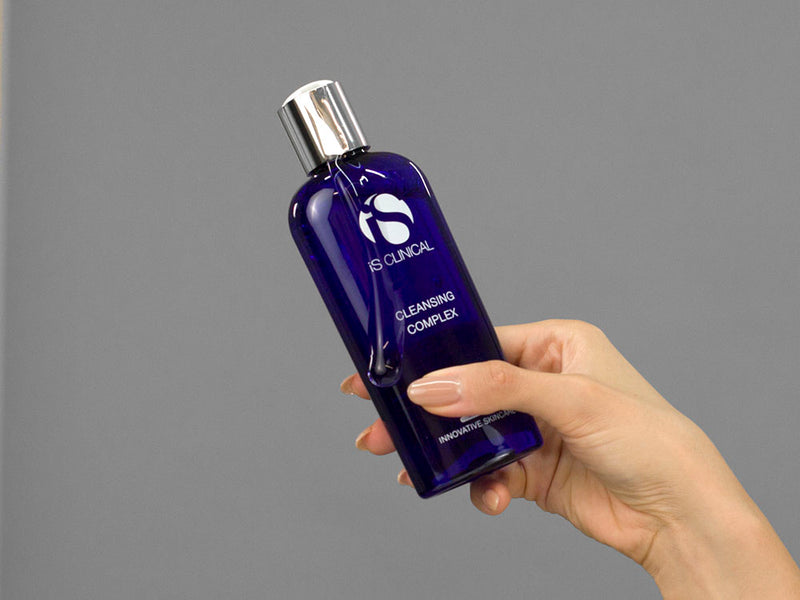
    Cleansing Complex

    4.8 out of 5.0 stars

    From $27.00

  • Face Reality

    Clear Skin Restore

    4.8 out of 5.0 stars

    $36.00

  • iS Clinical

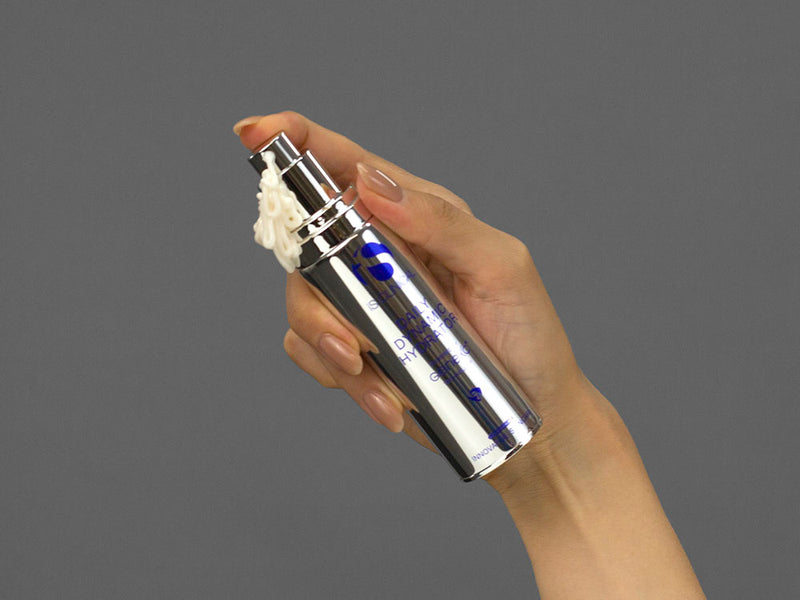
    Daily Dynamic Hydrator

    5.0 out of 5.0 stars

    $135.00

  • GlyMed

    Daily Skin Clarifier

    5.0 out of 5.0 stars

    $51.00

  • Environ

    $126.00

  • GlyMed

    Diamond Bright Skin Illuminator

    5.0 out of 5.0 stars

    $82.00

  • Revision

    From $140.00

  • Revision

    $125.00

  • SkinBetter Science

    From $70.00

More Ingredient Guides

View all

German chamomile flowers beside a slate blue dish holding drops of clear, pale golden oil on a warm stone surface.

Bisabolol for Calming Redness and Irritation

Bisabolol is the calming compound first found in chamomile, and it quiets the inflammation behind redness, stinging and itch. Here is how it works, who it suits and how to use it.
Read moreabout Bisabolol for Calming Redness and Irritation

Fresh comfrey leaves and purple flowers beside a slate blue dish of fine white allantoin powder on a warm stone surface.

Allantoin for Rough, Dry and Irritated Skin

Allantoin softens rough, flaky skin and soothes irritation, and the US FDA recognizes it as a skin protectant. Here is how it works, what the research shows and how to use it.

Read moreabout Allantoin for Rough, Dry and Irritated Skin

Fresh centella sprigs with small round scalloped leaves on a warm stone surface beside a slate blue ceramic dish, against a soft blush backdrop.

Centella for Redness and Reactive Skin

Centella calms inflammation, helps skin hold on to water and supports repair after irritation. Here is what the research shows, what cica means on a label and how to use it.

Read moreabout Centella for Redness and Reactive Skin