6 min read

If you only protect your skin from burning, you are covering half the problem. The wavelengths that age your face are present all day, in every season, and they pass through glass. Zinc oxide is the single filter that covers the whole ultraviolet range on its own.

The short answer

Zinc oxide is a mineral sunscreen filter that settles into the topmost layer of your skin and absorbs ultraviolet light before it reaches the living cells below. It is the only single filter that covers the full ultraviolet range, it calms irritated skin rather than provoking it, and it works from the moment you apply it.

Suits All skin types, Sensitive, Rosacea-prone, Acne-prone, Oily, Normal
Read time 6 min
Chart showing the ultraviolet spectrum divided into UVB, short UVA and long UVA, with zinc oxide covering the full range and titanium dioxide covering only the first two segments.
Zinc oxide is the only single filter that covers the whole ultraviolet range, including the long UVA wavelengths that reach your collagen.

What it does

Zinc oxide is a mineral sunscreen filter that settles into the topmost layer of your skin and absorbs ultraviolet light before it reaches the living cells below. It is the only single filter that covers the full ultraviolet range, it calms irritated skin rather than provoking it, and it works from the moment you apply it.

The two kinds of ultraviolet light

Sunlight carries ultraviolet light in two forms, and they do different damage.

UVB burns you. It affects the upper layers of your skin, it is strongest in summer and in the middle of the day, and it is the main cause of skin cancer.

UVA ages you. It reaches deeper, into the layer where your collagen sits, and it breaks that collagen down over years. UVA is present all day, every day, in every season, and it passes through window glass. You will not feel anything while that is happening, so it is easy to believe damage is not happening, and it shows itself years later as lines, dullness and skin that has lost its firmness.

This is why the SPF number alone is not enough. SPF measures protection from UVB only, so it tells you how well a product stops you burning and nothing about the UVA aging your skin. You need the words broad spectrum on the label as well as a number.

Both kinds drive excess pigment, because your skin produces melanin as a defense against UV. That is why sun turns a healed breakout into a brown mark that lasts for months, and why melasma flares every summer.

How zinc oxide works

Zinc oxide is a mineral, ground into a fine white powder and suspended in a cream or lotion. When you apply it, it settles into the topmost layer of your skin and stays there rather than traveling further down.

What happens next is worth getting right, because it is widely described wrongly. Mineral filters are often said to work like a mirror, bouncing UV away. They do not. Research measuring this shows zinc oxide and titanium dioxide absorb roughly ninety-five percent of the ultraviolet light that reaches them and convert it into a small amount of harmless heat. Only around five percent is reflected or scattered.

In other words, mineral filters absorb UV in essentially the same way chemical filters do. The real difference between the two is where they sit in your skin, not the physics of how they handle the light.

What sets zinc oxide apart is how much of the range it handles. Most filters cover part of the ultraviolet spectrum, which is why sunscreens generally combine several. Zinc oxide covers UVB, short UVA and the long UVA wavelengths that reach deepest, all on its own. A sunscreen built around it is already broad spectrum before anything else is added.

Because the mineral works right at the top of your skin, it protects you the moment it is on. There is no waiting period.

Why it calms skin as well

This is what separates zinc oxide from the other UV filters, and it explains where else you have seen it.

Zinc oxide reduces inflammation, which means less redness, less heat and less of the stinging that comes with upset skin. It has been used on diaper rash, minor burns and irritated skin for a very long time, and calamine lotion is mostly zinc oxide. It also absorbs excess oil and is mildly antibacterial.

Put together, that means a zinc sunscreen is doing something for your skin beyond blocking UV. For rosacea-prone skin, for a face that is healing after a treatment, or for skin that breaks out under most sunscreens, that is a genuine advantage rather than a marketing line.

Where it comes from

Zinc oxide is a mineral compound, produced from zinc ore and purified for use. Zinc itself is an element your body needs, and it is involved in wound healing throughout your body, not only on your skin.

As with titanium dioxide, zinc oxide is also used as a white pigment, so it can appear on an ingredient list without offering sun protection. In a moisturizer or a mask, the amount is small and the formula has not been tested to protect you. If a product is meant to be your sun protection, it will carry an SPF rating on the front.

Diagram showing the two finger rule and quarter teaspoon measure for sunscreen, with a reminder not to skip ears, neck and the backs of hands.
Using half of what you need gives you closer to half the protection on the bottle, not most of it.

The white cast, and how to get around it

This is the honest downside and the reason people abandon mineral sunscreen. Zinc oxide is white, so a layer of it can leave a pale or gray tone, and the deeper your skin the more obvious that is.

A tinted formula fixes it. Iron oxides are added to give the product a skin tone, which cancels the whiteness, and tinted mineral sunscreens are often the only ones that look right on medium and deeper skin tones. There is a second benefit worth knowing about: iron oxides also block visible light, the ordinary light you can see, which is a known trigger for melasma. If you are working on excess pigment, a tinted mineral sunscreen is doing two useful jobs at once.

Formulation has improved a great deal as well. Finer particles scatter less white light, so a modern zinc sunscreen leaves far less cast than one from ten years ago. If your last experience was poor, it is worth trying again with something current.

What to look for on a label

How much zinc oxide

Most well-made mineral sunscreens use somewhere between fifteen and twenty-five percent zinc oxide. Below about ten percent it is unlikely to be carrying the protection on its own, and above twenty-five the texture becomes difficult to wear.

The percentage appears on the active ingredients panel on the back, which is worth a look if you want to know what you are getting.

Check it is there as a filter rather than a pigment

Zinc oxide is also used as a white pigment, and at those amounts it does nothing for sun protection. If a product is meant to protect you, it will carry an SPF rating on the front.

Where it sits in your routine

Sunscreen goes on last in the morning, after your serums and your moisturizer and before makeup.

What works best with zinc oxide

Zinc oxide does not conflict with anything, and nothing you use underneath stops it working.

It matters most alongside two groups of ingredients. Retinoids and the exfoliating acids make your skin more sun sensitive, so sunscreen is part of using them rather than an optional extra.

Pigment ingredients such as tranexamic acid, arbutin and kojic acid are working against something the sun keeps restarting, so if you are working on excess pigment, make sunscreen and reapplication your priority.

Common questions

Zinc oxide or titanium dioxide?

Zinc oxide covers more of the ultraviolet range, particularly the long UVA wavelengths that do most of the damage to collagen, and it reduces redness and irritation as well. Titanium dioxide is stronger at the UVB end and tends to feel lighter with less cast.

Both are excellent, and if you are choosing one, zinc oxide is the more complete filter. Many sunscreens contain both, and that is a deliberate combination rather than a compromise, because the titanium dioxide allows a higher SPF at a lighter texture while the zinc oxide handles the deep UVA.

Will it break me out?

Zinc oxide itself is unlikely to, and it is often helpful for acne-prone skin, since it absorbs oil and is mildly antibacterial.

If a sunscreen has broken you out, the cause is usually the oils or silicones carrying the mineral rather than the zinc oxide, so a different formula is worth trying before you give up on mineral sunscreen as a category.

How much do I need to use?

About a quarter of a teaspoon for your face, which is roughly two fingers worth squeezed along your index and middle finger. Using half of that gives you closer to half the protection on the bottle, not most of it. This is the most common reason a sunscreen underperforms.

Include your ears, your neck and the backs of your hands. We see sun damage in those places constantly, because they are the areas people skip.

Is it safe?

Zinc oxide is one of the best understood sunscreen ingredients there is. It stays in the topmost layer of your skin rather than passing into your body, which is why it is recommended for babies and for skin healing after a treatment.

Can I use it in pregnancy?

Yes, and mineral sunscreens are what most guidance suggests during pregnancy, precisely because zinc oxide and titanium dioxide stay in the surface layer. Sun protection matters more than usual in those months, since melasma is common in pregnancy and sun is one of its main triggers.

Check with your OB or midwife before starting anything new, as always.

Do I need it if I am indoors all day?

If you sit near a window, yes. UVA passes through glass, and it is the wavelength that breaks down collagen and drives excess pigment.

In a room with no daylight you can reasonably skip it, though most people spend more time near windows and outdoors than they realize.

Can I use it after a treatment?

Yes, and it is what we prefer. Skin is more prone to excess pigment after a peel, laser or microneedling, and zinc oxide protects it while reducing redness rather than adding to it.

Follow whatever aftercare your provider has given you about when to start.

Comparison of an untinted mineral sunscreen swatch showing as a pale patch against deeper skin, and a tinted swatch blending in almost invisibly.
Iron oxides give a tinted formula a skin tone, which cancels the white cast and blocks visible light as well.

How to use it

  • Every morning as the last step of your routine, after your serums and moisturizer and before makeup.
  • About a quarter of a teaspoon for your face, and include your ears, neck and the backs of your hands.
  • Spread it evenly rather than rubbing it in hard. The protection comes from an even layer across the skin.
  • Reapply every two hours when you are outdoors, and after swimming or sweating.
  • Choose a tinted formula if a mineral sunscreen has ever looked ashy on you, and especially if you are managing melasma or dark marks.
  • Look for broad spectrum SPF 30 or higher on the label. Broad spectrum means it covers UVA as well as UVB.
  • It is a good one to keep using on skin that is healing, including after in-clinic treatments, where a mineral filter is usually the gentlest option available.
Evidence and sources

A note on the evidence. Zinc oxide is one of only two sunscreen filters the FDA currently recognizes as generally safe and effective, alongside titanium dioxide. Its coverage across the full ultraviolet range is well established, as is its anti-inflammatory effect, which has a long history of medical use behind it in wound care and skin protection.

Studies measuring absorption through skin consistently find that zinc oxide stays in the surface layer, which is the basis for recommending it during pregnancy and for infants. The role of iron oxides in tinted formulas is also supported by research, particularly in melasma, where protection from visible light appears to make a measurable difference to how well treatment holds.

Last reviewed

Products with Zinc Oxide

  • Pavise

    Bioadaptive Stress Repair

    4.6 out of 5.0 stars

    From $50.00

  • Hale & Hush

    $34.00

  • Pavise

    Dynamic Age Defense SPF 30

    4.7 out of 5.0 stars

    From $52.00

  • Alastin

    Hydratint Pro Mineral Sunscreen SPF 36

    4.9 out of 5.0 stars

    $84.00

  • Epicutis

    Lipid Shield SPF 30

    4.9 out of 5.0 stars

    $90.00

  • Face Reality

    Mineral Matte SPF 28

    4.8 out of 5.0 stars

    $36.00

  • Face Reality

    PowerMineral SPF 50

    4.9 out of 5.0 stars

    $42.00

  • Pavise

    Precision Eye Lift

    4.7 out of 5.0 stars

    $128.00

  • KrX Aesthetics

    Skin Filter Tinted Sunscreen SPF 50

    4.0 out of 5.0 stars

    $41.00

  • SkinBetter Science

    sunbetter SHEER SPF 56 Sunscreen Compact

    4.8 out of 5.0 stars

    $70.00

  • SkinBetter Science

    sunbetter SHEER SPF 56 Sunscreen Stick

    4.8 out of 5.0 stars

    $55.00

  • SkinBetter Science

    sunbetter SHEER SPF 70 Sunscreen Lotion

    4.8 out of 5.0 stars

    $75.00

  • SkinBetter Science

    $70.00

  • SkinBetter Science

    From $35.00

  • EltaMD

    UV AOX Mist SPF 40

    5.0 out of 5.0 stars

    $46.00

  • EltaMD

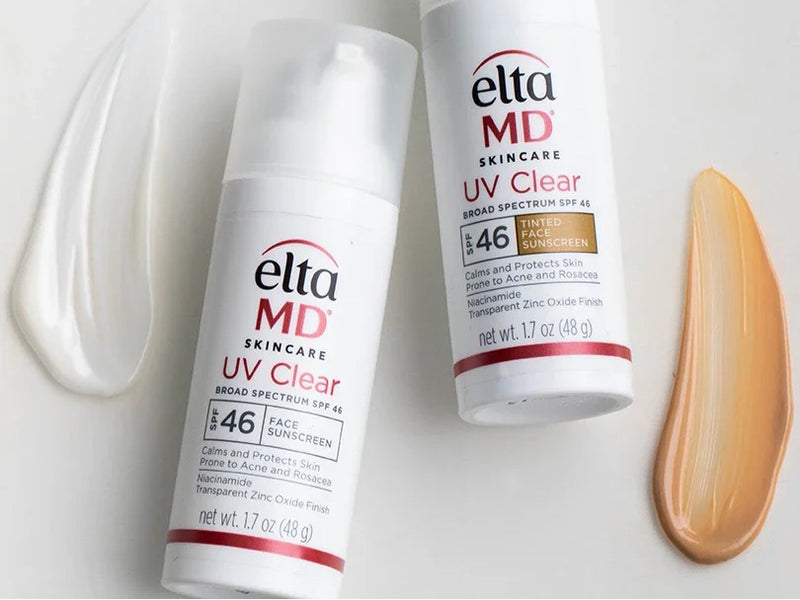
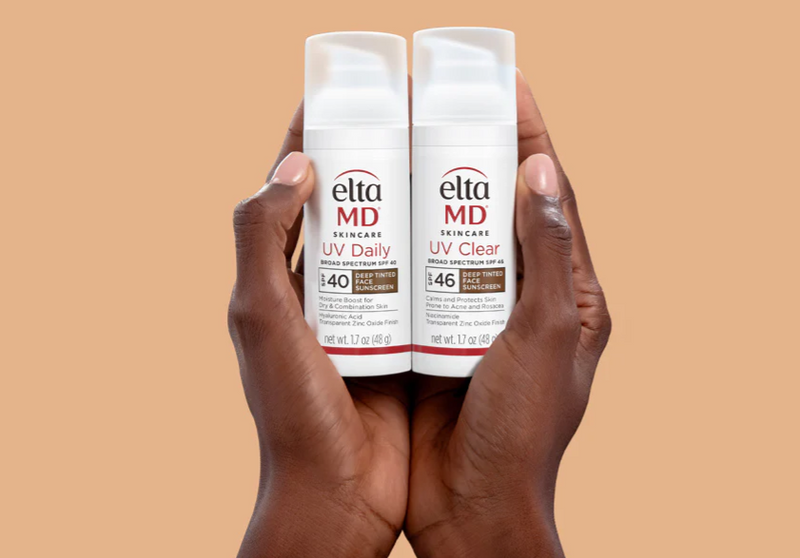
    UV Clear SPF 46

    4.8 out of 5.0 stars

    $44.00

  • EltaMD

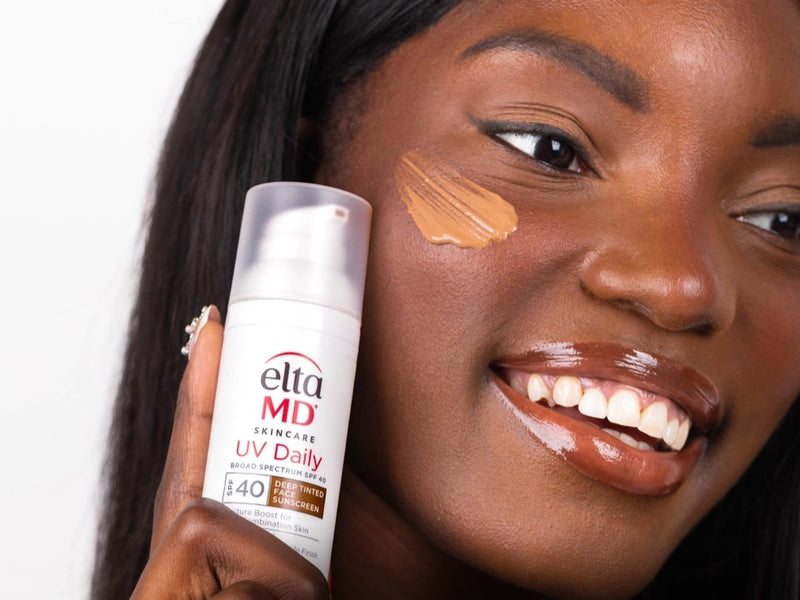
    UV Daily SPF 40

    5.0 out of 5.0 stars

    $40.00

  • EltaMD

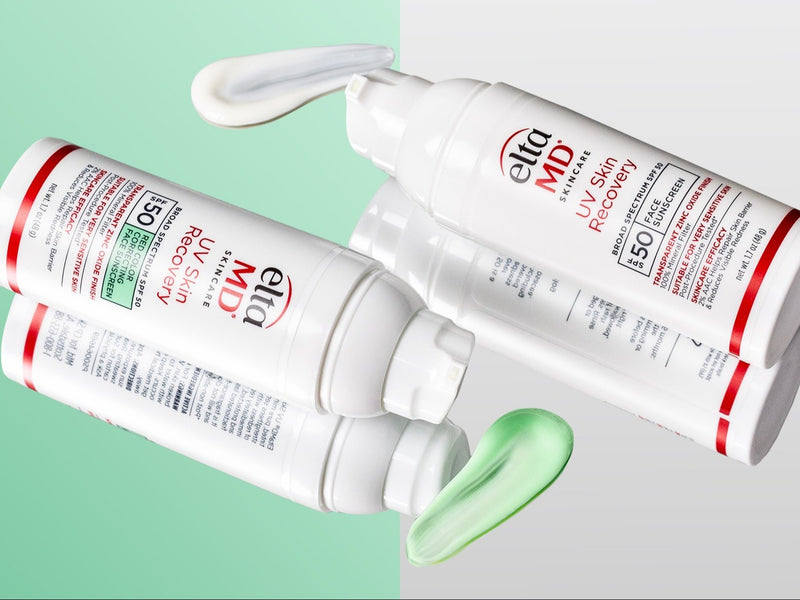
    UV Skin Recovery SPF 50

    4.7 out of 5.0 stars

    $50.00

More Ingredient Guides

View all

German chamomile flowers beside a slate blue dish holding drops of clear, pale golden oil on a warm stone surface.

Bisabolol for Calming Redness and Irritation

Bisabolol is the calming compound first found in chamomile, and it quiets the inflammation behind redness, stinging and itch. Here is how it works, who it suits and how to use it.
Read moreabout Bisabolol for Calming Redness and Irritation

Fresh comfrey leaves and purple flowers beside a slate blue dish of fine white allantoin powder on a warm stone surface.

Allantoin for Rough, Dry and Irritated Skin

Allantoin softens rough, flaky skin and soothes irritation, and the US FDA recognizes it as a skin protectant. Here is how it works, what the research shows and how to use it.

Read moreabout Allantoin for Rough, Dry and Irritated Skin

Fresh centella sprigs with small round scalloped leaves on a warm stone surface beside a slate blue ceramic dish, against a soft blush backdrop.

Centella for Redness and Reactive Skin

Centella calms inflammation, helps skin hold on to water and supports repair after irritation. Here is what the research shows, what cica means on a label and how to use it.

Read moreabout Centella for Redness and Reactive Skin