4 min read

Sodium hyaluronate is what you are usually getting when a bottle says hyaluronic acid. It is the salt form, and it is smaller, more stable and better at getting into skin than hyaluronic acid itself. Not a substitute or a cheaper stand-in, but the version formulators reach for on purpose.

The short answer

Sodium hyaluronate is hyaluronic acid in its salt form. It holds water in the skin the same way, but it is a smaller molecule, more stable in a formula, and it penetrates past the surface more readily. That makes it the more practical choice in most products, and it is why you find it on the ingredient list of things marketed as hyaluronic acid serums. Apply it to damp skin and seal it with a moisturizer, exactly as you would the parent ingredient.

Suits All skin types, Dehydrated, Dry, Sensitive, Mature, Oily
Read time 4 min
Diagram comparing a large hyaluronic acid molecule sitting on the skin surface with smaller sodium hyaluronate molecules passing between the cells.
The salt form is a shorter, lighter version of the same molecule, so more of it gets past the surface.

What it does

Sodium hyaluronate is hyaluronic acid in its salt form. It holds water in the skin the same way, but it is a smaller molecule, more stable in a formula, and it penetrates past the surface more readily. That makes it the more practical choice in most products, and it is why you find it on the ingredient list of things marketed as hyaluronic acid serums. Apply it to damp skin and seal it with a moisturizer, exactly as you would the parent ingredient.

What it does on your skin

Sodium hyaluronate is a humectant, which is simply a substance that attracts water and holds onto it.

Applied to your skin, it draws water into the upper layers and swells them slightly. Plump cells sit tighter together, the surface becomes smoother, and light bounces off it more evenly. That is why fine lines look softer within minutes and why skin looks better rested.

It is the same job hyaluronic acid does, and it is done by a version better suited to living in a bottle.

Why the salt form exists

Turning hyaluronic acid into its sodium salt is a straightforward step, and it changes three useful things at once.

It is smaller. Hyaluronic acid is a very large molecule, and your barrier is built to keep large molecules out. Sodium hyaluronate is a shorter, lighter version of the same thing, so more of it gets past the surface rather than sitting on top.

It is more stable. Hyaluronic acid degrades relatively quickly in a water-based formula, and the salt form holds up far better over the months a product spends in your bathroom. A serum that still works at the end of the bottle is worth your money in a way one that has quietly lost potency is not.

It dissolves more easily. That sounds like a formulator's problem rather than yours, and it decides the texture. Sodium hyaluronate makes light, fast-absorbing serums, where hyaluronic acid tends towards something heavier and tackier.

So why does the label say hyaluronic acid?

Because that is the name people recognize. The front of a box is marketing and the ingredient list is chemistry, so a product can honestly call itself a hyaluronic acid serum while listing sodium hyaluronate in the ingredients.

That is not a trick and it is not a downgrade. If anything, seeing sodium hyaluronate on the back tells you a formulator made a deliberate choice rather than reaching for the name with the best recognition.

Where it comes from

It starts as hyaluronic acid, which your body already makes and keeps in your skin, joints and eyes. Nearly all of what is used in skincare is produced by fermenting bacteria, which is clean, vegan and consistent.

Diagram explaining that hyaluronic acid on the front of a box often means sodium hyaluronate on the ingredient list.
Seeing sodium hyaluronate on the back tells you a formulator made a deliberate choice.

What to look for on a label

Several weights beat one

Sodium hyaluronate comes in a range of molecular weights and they do different things. The heavier ones stay near the surface and form a light film that holds water and plumps immediately. The lighter ones travel further down and hydrate the layers beneath.

Neither is better, which is why good serums use two or three together. A label mentioning multi-weight or multi-molecular hyaluronic acid is telling you that, and it is a reasonable thing to look for.

The relatives worth recognizing

Sodium acetylated hyaluronate has been modified to cling to skin for longer, so it resists being washed or worn away through the day. It often appears in products meant to hold hydration for hours.

Hydrolyzed sodium hyaluronate has been broken into very short fragments, the smallest of the family, chosen when a formula wants depth over surface effect.

Sodium hyaluronate crosspolymer is linked into a network that sits on the surface and releases water gradually, giving a longer-lasting, cushioned feel.

You do not need to memorize these. Seeing two or three of them together is simply a sign the formula was designed rather than assembled.

What should be alongside it

A humectant on its own is half a hydration strategy. It pulls water in, and something has to stop that water leaving again. Glycerin, squalane, ceramides and panthenol all do that supporting job, which is why a serum plus a moisturizer beats a serum alone every time.

How it fits with everything else

Nothing conflicts with it. Use it morning and night, under everything, and especially on the nights you use a retinoid or an acid, since comfortable skin keeps tolerating actives.

Common questions

Is it as good as hyaluronic acid?

Yes, and for most purposes sodium hyaluronate is the one to choose. It holds water just as well, it gets further into the skin, it survives longer in the bottle and it feels nicer on application.

Hyaluronic acid at high molecular weight still has its own job, which is immediate surface plumping, and that is why plenty of good products contain both.

Should I pay more for one over the other?

No. Price differences between hyaluronic acid and sodium hyaluronate products come down to the rest of the formula, the packaging and the brand rather than the molecule. Judge the whole product.

Where should it sit in the ingredient list?

Lower than you might expect, and that is normal. Sodium hyaluronate is used at fractions of a percent because it holds so much water relative to its weight. Finding it in the middle of a list is not a sign of a weak formula.

Why does my serum sometimes leave my skin tight?

Almost always because it went on dry skin with nothing sealed over the top, so it drew water up from your deeper layers and that water evaporated.

Apply it to damp skin and follow with your moisturizer, and the problem usually disappears.

Is it safe in pregnancy?

It is one of the safest things to keep using when most actives come off the table, being a version of something your body already produces. Check with your OB or midwife before starting anything new, as always.

Diagram comparing a humectant serum used alone, where water evaporates away, with one sealed under moisturizer, where water stays held in the skin.
A humectant on its own is half a hydration strategy. Something has to stop that water leaving again.

How to use it

  • Apply to damp skin for a better result than dry. Modern formulas carry enough water of their own that this is no longer make or break, and applying straight after cleansing or a hydrating mist still gives the humectant more to work with.
  • Seal it in with a moisturizer. A humectant draws water up towards the surface, and without something holding it there, that water evaporates away.
  • Morning and night is fine. There is nothing to build your tolerance up to with sodium hyaluronate.
  • Most sodium hyaluronate products are serums, which go on after cleansing and before your moisturizer. If yours is in a moisturizer, that is your moisturizer step.
  • A few drops is plenty. Your skin has a capacity to absorb, and once it reaches that point the extra sits on the surface, where it pills, rubs off on your collar, and blocks whatever you apply next from getting in.
  • You do not need to rush the next step. It is fine to let the serum dry down before you carry on, and your other serums go on after it, in whatever order you normally use them.
  • It is a good one to keep using on skin that is healing, including picked breakouts and sunburn, where the hydration and the calming are both welcome.
  • Broad spectrum SPF 30 or higher every morning, reapplied through the day. UV damages the skin's own ability to hold water, so protecting it keeps your hydration work from being undone.
Evidence and sources

A note on the evidence. The humectant properties of hyaluronic acid and its salt are thoroughly established, and improvements in skin hydration and surface smoothness have been measured repeatedly, so the immediate effects here rest on firm ground. The greater stability and smaller molecular size of the salt form are matters of chemistry rather than claim. Where marketing runs ahead of evidence is around molecular weight: the idea that low molecular weight fractions do considerably more than hydrate is plausible and has some laboratory support, but it is less settled than packaging suggests. Hydration and the look of plumper skin is the reliable promise, and it is worth having on its own.

Last reviewed

Products with Sodium Hyaluronate

  • Face Reality

    Mandelic Serum

    4.9 out of 5.0 stars

    From $42.00

  • Marini SkinSolutions

    $185.00

  • Face Reality

    Moisture Balance Toner

    4.9 out of 5.0 stars

    From $14.00

  • SkinBetter Science

    Mystro Active Balance Serum

    4.8 out of 5.0 stars

    From $115.00

  • SkinBetter Science

    Mystro Revive Renewing Serum

    4.8 out of 5.0 stars

    From $125.00

  • KrX Aesthetics

    Neck Lift Intensive Firming Cream

    5.0 out of 5.0 stars

    $50.00

  • Marini SkinSolutions

    $198.00

  • Face Reality

    PowerMineral SPF 50

    4.9 out of 5.0 stars

    $42.00

  • Pavise

    Precision Eye Lift

    4.7 out of 5.0 stars

    $128.00

  • GlyMed

    $102.00

  • KrX Aesthetics

    $40.00

  • GlyMed

    Radiant Serum

    5.0 out of 5.0 stars

    $85.00

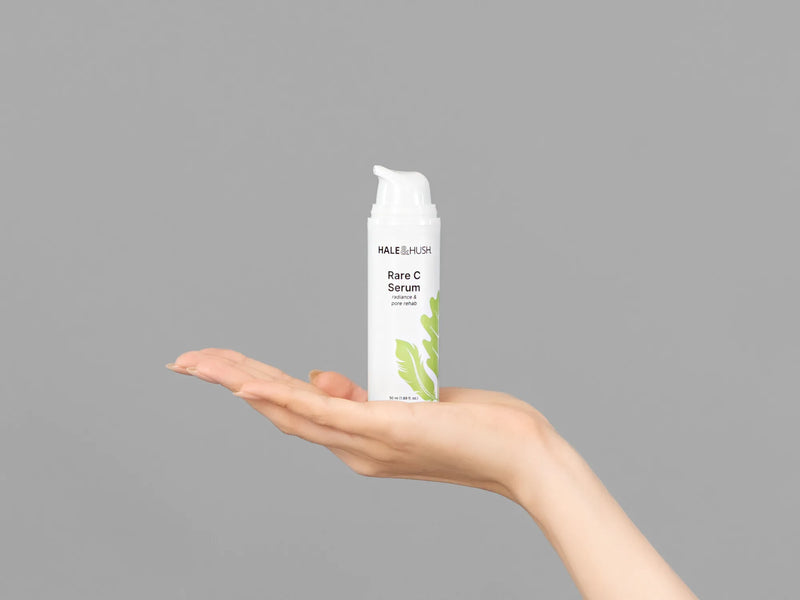
  • Hale & Hush

    $64.00

  • Hale & Hush

    $52.00

  • Marini SkinSolutions

    $248.00

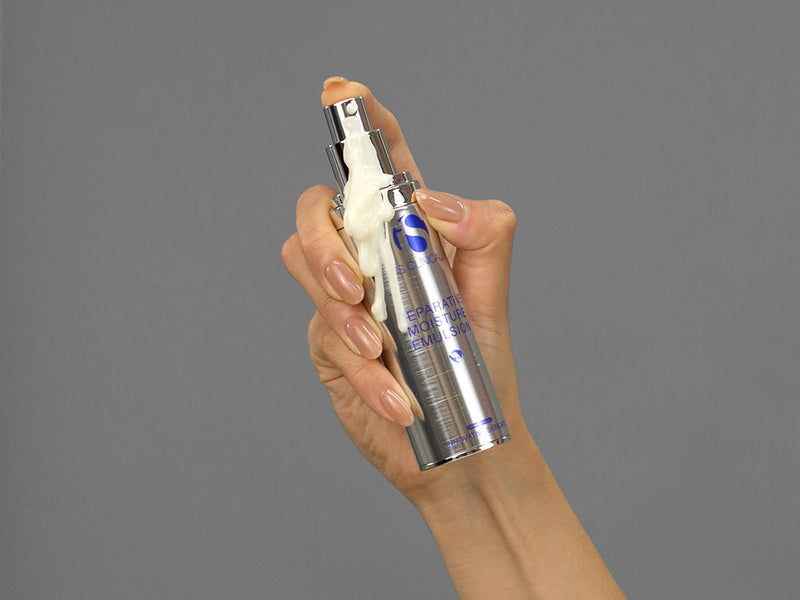
  • iS Clinical

    Reparative Moisture Emulsion

    4.9 out of 5.0 stars

    $116.00

  • Alastin

    Restorative Eye Complex

    4.9 out of 5.0 stars

    $128.00

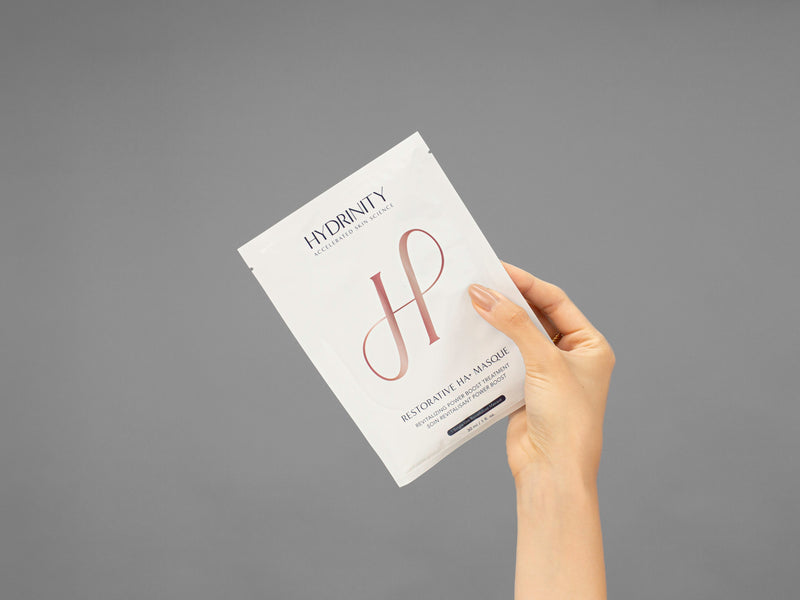
  • Hydrinity

    Restorative HA+ Mask

    4.4 out of 5.0 stars

    $120.00

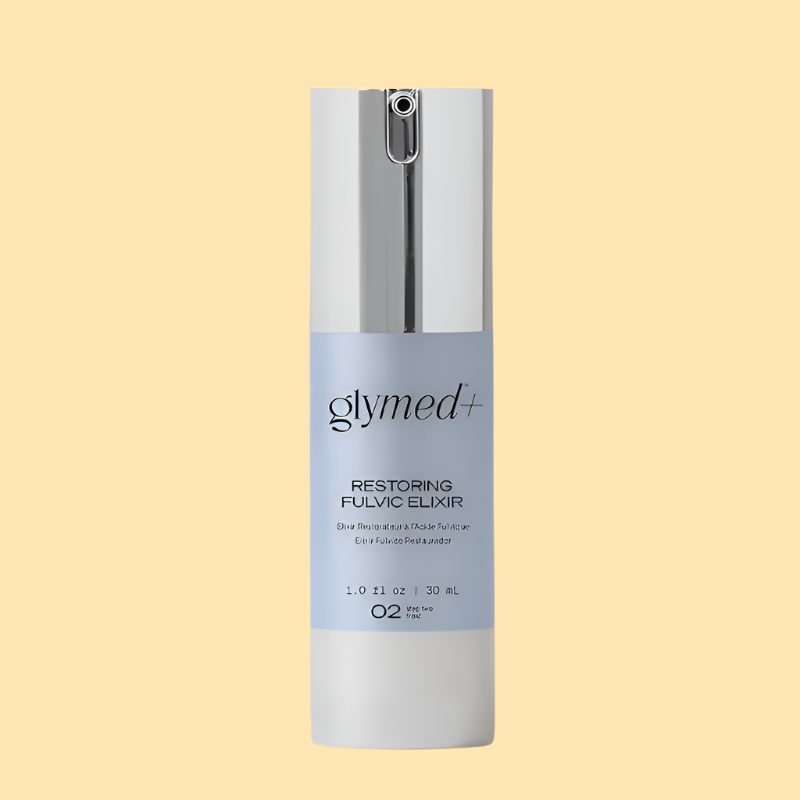
  • GlyMed

    Restoring Fulvic Elixir

    5.0 out of 5.0 stars

    $69.00

  • Marini SkinSolutions

    $110.00

  • iS Clinical

    $117.00

  • GlyMed

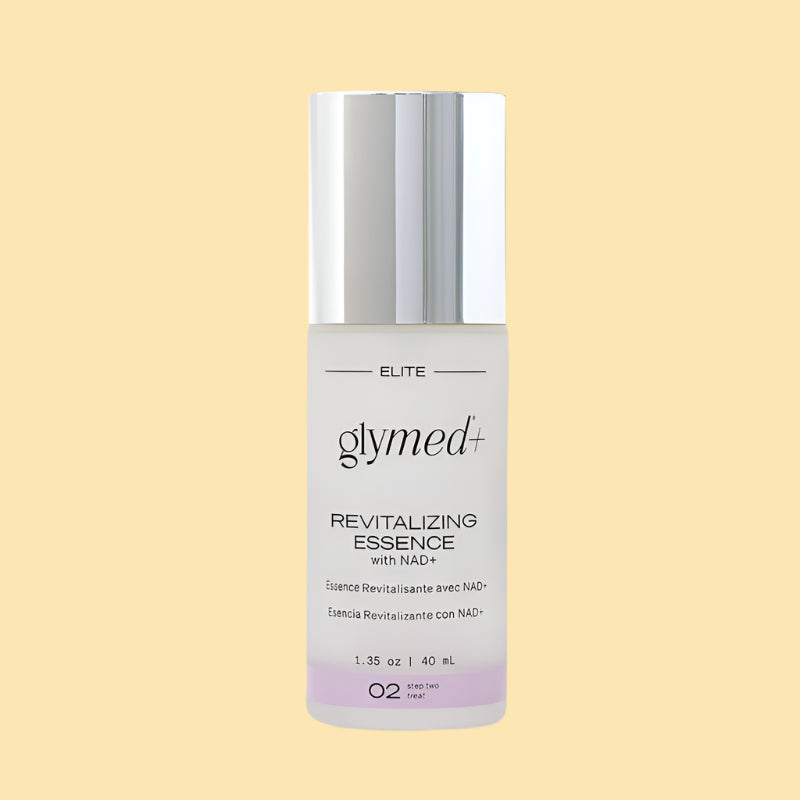
    Revitalizing Essence

    4.8 out of 5.0 stars

    $50.00

  • Hale & Hush

    $52.00

  • SkinBetter Science

    Solo Hydrating Defense MEN

    5.0 out of 5.0 stars

    $180.00

More Ingredient Guides

View all

German chamomile flowers beside a slate blue dish holding drops of clear, pale golden oil on a warm stone surface.

Bisabolol for Calming Redness and Irritation

Bisabolol is the calming compound first found in chamomile, and it quiets the inflammation behind redness, stinging and itch. Here is how it works, who it suits and how to use it.
Read moreabout Bisabolol for Calming Redness and Irritation

Fresh comfrey leaves and purple flowers beside a slate blue dish of fine white allantoin powder on a warm stone surface.

Allantoin for Rough, Dry and Irritated Skin

Allantoin softens rough, flaky skin and soothes irritation, and the US FDA recognizes it as a skin protectant. Here is how it works, what the research shows and how to use it.

Read moreabout Allantoin for Rough, Dry and Irritated Skin

Fresh centella sprigs with small round scalloped leaves on a warm stone surface beside a slate blue ceramic dish, against a soft blush backdrop.

Centella for Redness and Reactive Skin

Centella calms inflammation, helps skin hold on to water and supports repair after irritation. Here is what the research shows, what cica means on a label and how to use it.

Read moreabout Centella for Redness and Reactive Skin