5 min read

Panthenol is the ingredient that makes skin feel better almost immediately. It is vitamin B5 in a form your skin can absorb, and it hydrates, calms irritation and supplies material for repair all at once. You have almost certainly used it without noticing.

The short answer

Panthenol is provitamin B5. Your skin converts it into pantothenic acid, which it uses to build the fats that hold your barrier together. It draws water in, calms inflammation, and speeds up how quickly irritated skin settles. Comfort improves the same day, and barrier repair builds over about four weeks. It suits every skin type and layers happily with everything else in your routine.

Suits All skin types, Sensitive, Dry, Dehydrated, Rosacea-prone, Normal
Read time 5 min
Diagram showing panthenol converting into pantothenic acid and then into the fats that fill the gaps in the skin barrier.
Panthenol is not sitting on top making things feel nicer. Your skin converts it into raw material for the repair itself.

What it does

Panthenol is provitamin B5. Your skin converts it into pantothenic acid, which it uses to build the fats that hold your barrier together. It draws water in, calms inflammation, and speeds up how quickly irritated skin settles. Comfort improves the same day, and barrier repair builds over about four weeks. It suits every skin type and layers happily with everything else in your routine.

What panthenol does

Three things, and they work together rather than separately.

It draws water in

Panthenol is a humectant, which is simply a substance that attracts water and holds onto it. That is the part you feel straight away, and it is why skin looks plumper and feels less tight within minutes of applying it.

It calms inflammation

It quiets the signaling that keeps skin red, hot and reactive. This is why it turns up in so many products aimed at sensitive skin, and why it takes the edge off a strong active without blunting what that active is doing.

It feeds your barrier

This is the part most people do not know about, and it is where the name matters.

Panthenol is the absorbable form of vitamin B5. Once it is in your skin, your body converts it into pantothenic acid, which becomes part of a compound called coenzyme A. Your cells use coenzyme A to build the fats that sit between your surface cells like mortar between bricks.

So panthenol is not simply sitting on top making things feel nicer. It is supplying raw material for the repair itself.

Why the barrier decides everything

That mortar between your surface cells is what decides how your skin behaves day to day.

When it is intact, water stays in and irritants stay out, so skin looks plumper, feels calm, and stops reacting to things that used to set it off. When it is patchy, you get tightness, flaking, stinging and skin that seems to dislike everything.

Building it back is what turns reactive skin into skin that responds to everything else you use.

There is a knock-on benefit for breakouts too. Panthenol is not an acne ingredient and will not clear a spot, and calmer skin with a working barrier tolerates the ingredients that do clear acne. Less inflammation also means less of the brown marking that breakouts leave behind. It helps indirectly, by making everything else possible.

That combination is unusual. Most soothing ingredients calm without repairing, and most repairing ingredients take weeks before you notice anything. Panthenol gives you the immediate comfort and the structural work at the same time.

Where panthenol comes from

Vitamin B5 is something your body needs and gets from food. The name panthenol comes from the Greek for everywhere, because it turns up in almost every living thing.

What goes into skincare is made in a lab, and there is a good reason for the specific form. Pantothenic acid itself does not absorb well into skin, but panthenol does, and your skin converts it once it is in. That conversion step is the whole design.

It has been used in wound care and burn treatment for decades, which is where its reputation for calming and healing came from long before it appeared in serums.

Diagram comparing an intact barrier holding water in with a patchy one where water escapes and irritants get through.
That mortar decides how your skin behaves day to day. Building it back is what turns reactive skin into skin that responds to everything else you use.

What to look for on a label

One to five percent

Most products use somewhere between one and five percent, and that range covers what panthenol does well. There is no benefit in chasing a bigger number here, and at high concentrations the texture starts to feel tacky, which is its own kind of problem.

You will rarely see the percentage stated. Position in the ingredient list tells you more, and panthenol appearing in the first third of the list generally means it is there to work.

The names it goes by

Panthenol, D-panthenol, dexpanthenol, provitamin B5 and pantothenic acid all point at the same thing. D-panthenol is the form your skin actually uses, and it is what most good products use.

It is often the reason a product feels good

Panthenol appears in many formulas, and that is worth understanding rather than dismissing. If a sunscreen or a cleanser feels unusually comfortable on your skin, panthenol is frequently part of why.

Where it sits in your routine

A panthenol serum or mist goes on early, after cleansing. If your panthenol is in a moisturizer, a cream or a sunscreen, use that product at its usual point in your routine.

What works best with panthenol

Panthenol conflicts with nothing at all. It pairs naturally with hyaluronic acid, which draws water in alongside it, and with ceramides, which keep that water in. It is particularly worth having on the nights you use a retinoid or an exfoliating acid.

Sunscreen every morning, reapplied through the day, to protect the barrier you are rebuilding.

Common questions

Is this the same as vitamin B5?

Effectively yes. Panthenol is the form that absorbs into skin, and your skin converts it into pantothenic acid, which is vitamin B5 proper.

Applying the vitamin itself would not work nearly as well, which is why the provitamin form is what you find in products.

How soon will I see something?

Comfort arrives the same day, often within minutes, because the hydrating and calming effects are immediate.

The barrier repair takes about four weeks, and that is the part that stops your skin getting irritated in the first place. Keep going past the point where it feels better.

Can I use it on freshly treated skin?

Yes, and it is one of the most useful ingredients for it. Panthenol was a wound care ingredient long before it was a skincare one, and it is comfortable after extractions, a peel or a laser.

Will it help my eczema?

It helps with the dryness, the tightness and the itch, and it supports the barrier weakness that comes with eczema-prone skin.

It works alongside whatever your doctor has given you rather than replacing it.

Panthenol or hyaluronic acid?

Both, and they do different halves of the job. Both draw water in, and panthenol also calms inflammation and supplies material for barrier repair.

If your skin is simply dehydrated, hyaluronic acid is enough. If it is dehydrated and irritated, panthenol is the more useful of the two.

Is it safe in pregnancy?

It is one of the easiest ingredients to keep using when most actives come off the table, being a vitamin your body already needs. Check with your OB or midwife before starting anything new, as always.

Timeline showing comfort arriving on day one and barrier repair building over four weeks.
Most soothing ingredients calm without repairing. Panthenol gives you the immediate comfort and the structural work at once.

How to use it

  • Morning and night, as often as you like. There is nothing to build up to and no limit.
  • A panthenol serum or mist goes on early, after cleansing. If yours is in a moisturizer or sunscreen, use that product at its usual point in your routine.
  • Apply to slightly damp skin and follow with a moisturizer. Panthenol draws water in, and something needs to keep it there.
  • Use it on the nights you use a retinoid or an exfoliating acid. That is when your barrier is under the most strain and when the calming matters most.
  • Keep something with panthenol in it for the weeks when your skin is unhappy. It is what to use when everything else feels like too much.
  • Broad spectrum SPF 30 or higher every morning, reapplied through the day.
  • Give it four weeks for the barrier repair, even though comfort arrives on day one.
Evidence and sources

A note on the evidence. Panthenol has an unusually long clinical history for a cosmetic ingredient, having been used in wound care, burn treatment and dermatology for decades before it became common in skincare. Its hydrating effect, its role in barrier repair and its ability to reduce redness and irritation are all well documented, including in studies on damaged and post-procedure skin. The mechanism is well understood too, since pantothenic acid is a component of coenzyme A and therefore part of how your cells build lipids. This is one of the more settled ingredients in the series.

Last reviewed

Products with Panthenol

  • KrX Aesthetics

    Active 31 Revitalizing Eye Cream

    5.0 out of 5.0 stars

    $46.00

  • KrX Aesthetics

    AquaGel Cream

    5.0 out of 5.0 stars

    $41.00

  • Environ

    $72.00

  • Environ

    From $86.00

  • Face Reality

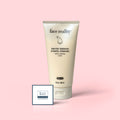
    Barrier Balance Creamy Cleanser

    4.9 out of 5.0 stars

    $37.00

  • Face Reality

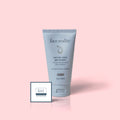
    Barrier Care Gel Cream

    4.9 out of 5.0 stars

    $38.00

  • Plated

    $338.00

  • Face Reality

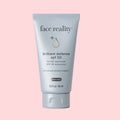
    Brilliant Defense SPF 50

    5.0 out of 5.0 stars

    $42.00

  • Plated

    Calm Serum

    5.0 out of 5.0 stars

    $258.00

  • Face Reality

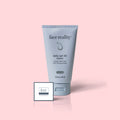
    Daily SPF 30 Plus

    4.9 out of 5.0 stars

    $36.00

  • Environ

    $126.00

  • Revision

    $125.00

  • Hydrinity

    Eye Renew Complex

    4.7 out of 5.0 stars

    From $20.00

  • Plated

    Eye Serum

    4.6 out of 5.0 stars

    $138.00

  • iS Clinical

    GeneXC Firming Eye Gel

    5.0 out of 5.0 stars

    $130.00

  • Pavise

    Gentle Amino Powerwash

    4.9 out of 5.0 stars

    From $20.00

  • Alastin

    Gentle Cleanser

    5.0 out of 5.0 stars

    From $20.00

  • Plated

    Hair Serum

    4.5 out of 5.0 stars

    $379.00

  • GlyMed

    Hemp Skin Mist

    4.9 out of 5.0 stars

    $88.00

  • Face Reality

    HydraRemedy Gel Serum

    4.9 out of 5.0 stars

    $46.00

  • Plated

    Intense Serum

    4.9 out of 5.0 stars

    From $244.00

  • Young Goose

    $196.50

  • Environ

    $58.00

  • GlyMed

    Oxygen Deep Pore Masque

    4.9 out of 5.0 stars

    $62.00

More Ingredient Guides

View all

German chamomile flowers beside a slate blue dish holding drops of clear, pale golden oil on a warm stone surface.

Bisabolol for Calming Redness and Irritation

Bisabolol is the calming compound first found in chamomile, and it quiets the inflammation behind redness, stinging and itch. Here is how it works, who it suits and how to use it.
Read moreabout Bisabolol for Calming Redness and Irritation

Fresh comfrey leaves and purple flowers beside a slate blue dish of fine white allantoin powder on a warm stone surface.

Allantoin for Rough, Dry and Irritated Skin

Allantoin softens rough, flaky skin and soothes irritation, and the US FDA recognizes it as a skin protectant. Here is how it works, what the research shows and how to use it.
Read moreabout Allantoin for Rough, Dry and Irritated Skin

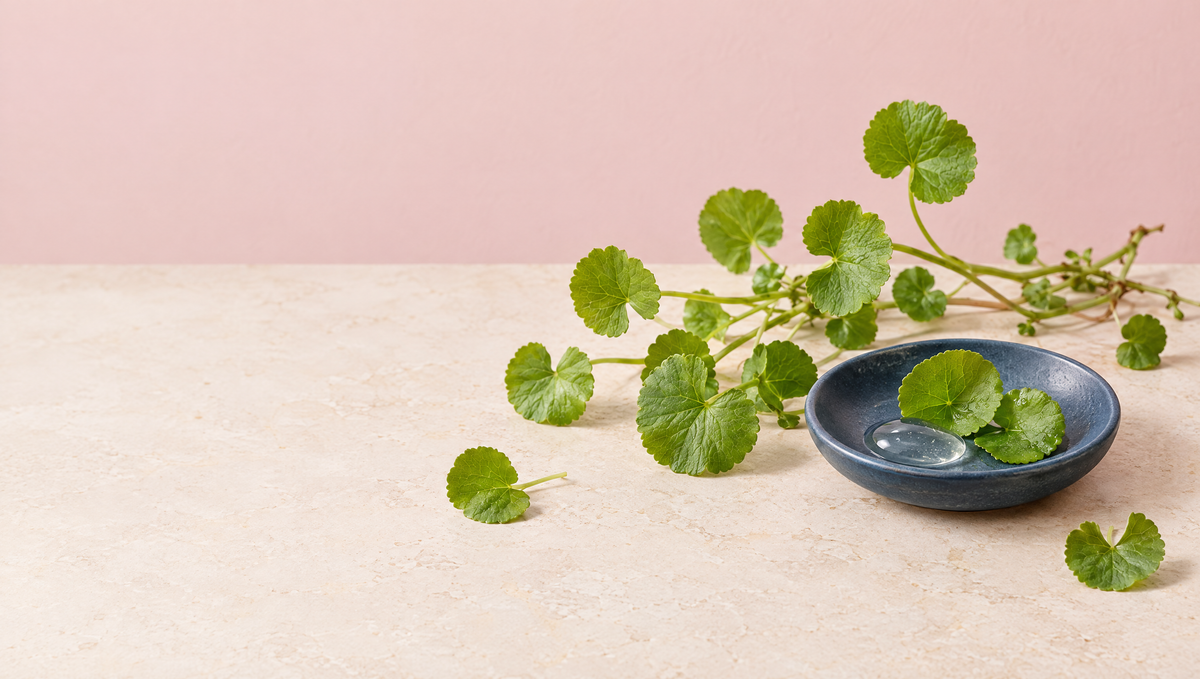
Fresh centella sprigs with small round scalloped leaves on a warm stone surface beside a slate blue ceramic dish, against a soft blush backdrop.

Centella for Redness and Reactive Skin

Centella calms inflammation, helps skin hold on to water and supports repair after irritation. Here is what the research shows, what cica means on a label and how to use it.

Read moreabout Centella for Redness and Reactive Skin