6 min read

Your face is covered in bacteria, and that is exactly how it should be. They are not divided into good ones and bad ones. Each type has its own role, and when the balance between them is holding, your barrier works better and your skin stays calmer. Probiotic skincare is about looking after that balance rather than scrubbing it away.

The short answer

Probiotic skincare supports the population of bacteria living on your skin, which does real work keeping your barrier intact and inflammation down. Products come in three forms: prebiotics that feed the bacteria you already have, probiotics that are live bacteria themselves, and postbiotics made from the compounds those bacteria produce. Skin tends to become calmer and less reactive over a few weeks, and this suits sensitive, acne-prone and redness-prone skin particularly well.

Suits All skin types, Sensitive, Rosacea-prone, Acne-prone, Dry, Normal
Read time 6 min
Diagram explaining prebiotic as food for bacteria, probiotic as live bacteria, and postbiotic as the compounds bacteria make.
Three words used interchangeably on packaging that mean quite different things. Knowing which you are buying is most of it.

What it does

Probiotic skincare supports the population of bacteria living on your skin, which does real work keeping your barrier intact and inflammation down. Products come in three forms: prebiotics that feed the bacteria you already have, probiotics that are live bacteria themselves, and postbiotics made from the compounds those bacteria produce. Skin tends to become calmer and less reactive over a few weeks, and this suits sensitive, acne-prone and redness-prone skin particularly well.

The bacteria living on your face

There are roughly a billion bacteria on every square centimeter of your face, and they are not passengers.

Worth clearing up one thing straight away, because it shapes everything else. They are not divided into good ones and bad ones. Each type has its own role, and what matters is the balance between them. The bacteria associated with acne live on everyone's face, including people who never break out.

When that balance is holding, your skin surface is crowded enough that no single type can take over. The population helps maintain the slightly acidic conditions your barrier needs in order to work, and it takes part in the signaling that regulates inflammation.

When the balance is disturbed, skin gets reactive. Stripping cleansers, over-exfoliation and heavy antibacterial use all disturb it, and this is one of the more common reasons someone arrives in the clinic saying their skin used to be fine and now reacts to everything.

Prebiotic, probiotic, postbiotic

These three words get used interchangeably on packaging and they mean quite different things. Knowing the difference is most of what you need to shop well here.

Prebiotics are food for the bacteria you already have. Sugars and fibers that the types you want to encourage thrive on. They are stable, easy to formulate and appear in a lot of products.

Probiotics are live bacteria. These are genuinely difficult to put in a bottle, because a living organism has to survive manufacturing, preservatives and months on a shelf, and most skincare preservatives are designed specifically to reduce bacteria. A product with genuinely live cultures is doing something technically demanding, and it usually shows in the packaging and the price.

Postbiotics are the useful compounds bacteria produce, harvested without the bacteria themselves. Ferment filtrates and lysates on an ingredient list are postbiotics. They are stable, they do not need keeping alive, and they carry many of the same benefits.

Most products marketed as probiotic are in fact postbiotic. That is not a criticism, just worth knowing before you compare prices.

What this does for your skin

The effects that show up most reliably are on inflammation and barrier function. The strains used in these products, and the compounds they produce, calm the signaling that keeps skin red and reactive, and they encourage your skin to make more of its own ceramides and its own antimicrobial compounds.

With acne there is a shift in thinking worth understanding. Because the bacteria involved live on everyone, the question is not whether they are present but which types are dominating.

That is why the microbiome approach is about restoring balance rather than reducing bacteria across the board, and it is genuinely different from benzoyl peroxide, which reduces them broadly. Both approaches work. They are simply doing different things, and for skin that has been through a lot of antibacterial treatment, the microbiome route is often the more comfortable one.

Diagram showing the four jobs skin bacteria do: occupy space, keep any one type from taking over, maintain acidity and regulate inflammation.
There are roughly a billion bacteria on every square centimeter of your face, and what matters is the balance between them.

What to look for on a label

Work out which of the three you are buying

Ferment filtrate, ferment lysate and similar entries mean postbiotic. Named live strains with a count, and usually instructions about storage, mean genuinely probiotic. Inulin, alpha-glucan oligosaccharide and similar sugars mean prebiotic.

All three are legitimate. The point is knowing which you have paid for, since a live probiotic product costs more for good reason and a postbiotic one asks less of you in handling.

Live cultures need looking after

If your product contains living organisms, follow the storage directions on your packaging and use it within the window the brand specifies. Some come as two parts you activate before first use, which is a sign the formulation has been thought through rather than an inconvenience.

What not to use alongside

This is the one real conflict in this category. Antibacterial ingredients work against what a probiotic product is trying to do. Hypochlorous acid and benzoyl peroxide both reduce every type of bacteria on your skin rather than selectively, so pairing either with a probiotic serum means the two are pulling in opposite directions.

Pick an approach rather than running both. If you are working on active acne with benzoyl peroxide, that is the right call for now and the microbiome work can wait. If your skin is reactive and you are trying to rebuild, the probiotic route makes more sense.

Where it sits in your routine

Most are serums or essences, which go on after cleansing and before your moisturizer. If yours is a moisturizer, that is your moisturizer step.

What works best with it

Ceramides, niacinamide, panthenol and hyaluronic acid all work towards the same goal and layer comfortably alongside. Retinoids and exfoliating acids are fine too, though a gentler routine overall is what this approach suits.

Sunscreen every morning, reapplied through the day. UV affects the skin microbiome as well as everything else.

Common questions

Am I putting bacteria on my face?

With a genuinely live product, yes, and there are already about a billion per square centimeter up there. The strains used in skincare are ones that belong on healthy skin, chosen precisely because they are already meant to be there.

Most products, though, are postbiotic and contain no living organisms at all.

Will it clear my acne?

Not on its own, and how much it helps depends on what is driving your acne in the first place.

What we can tell you from the treatment room is that a genuinely live probiotic can be remarkably helpful for people who are not seeing much change from exfoliating acids or benzoyl peroxide. When the usual route has stalled, the microbiome is often the reason, and that is where this approach earns its place.

It does need close supervision, and here is why. Live probiotics can be killed by the other products in your routine, because most preservative systems are designed to reduce bacteria and cannot tell the difference. Getting this right means looking at everything you use, not only adding one serum.

If you want to try this route, speak to a skincare professional who specializes in barrier and microbiome work. It is one of our strengths at LAZ Skincare, so book a virtual appointment or come and see us in person at our New York City LAZ Clinic and we will build it properly.

Do gut probiotics help my skin?

Not in the same way, and they are worth doing alongside rather than instead.

The gut and the skin do influence each other, and that connection is real and increasingly well studied. An oral probiotic is working on a completely different population of bacteria in a completely different place, so it does not replace what a topical product does on your face.

If you are considering a supplement, speak to your doctor first.

How soon will I see something?

Comfort and less reactivity within two to four weeks for most people. Changes in breakouts and overall skin quality take longer, around twelve weeks.

Photograph your skin on day one and every four weeks after, in natural daylight from the same spot.

Should I stop cleansing?

No. Cleansing removes oil, pollution and product rather than wiping out your microbiome, and a gentle cleanser is not the problem.

What disturbs the balance is harsh, stripping cleansers used twice a day for years. Cleanse, just kindly.

My skin changed after antibiotics. Is that connected?

Very possibly. Antibiotics reduce bacteria broadly rather than selectively, and that applies whether you took them by mouth or applied them to your skin.

Your skin repopulates afterwards, and the balance does not always come back the same. If your skin became reactive or started behaving differently around a course of antibiotics, supporting the microbiome is a reasonable place to start.

Is it safe in pregnancy?

Prebiotic and postbiotic products are among the gentler things available when most actives come off the table. Check with your OB or midwife before starting anything new, as always.

Diagram comparing the antibacterial route, which reduces nearly all bacteria, with the microbiome route, which restores balance between strains.
Both approaches work. They are simply doing different things.

How to use it

  • Once or twice daily on clean skin. Most are serums or essences, which go on before your moisturizer. If yours is a moisturizer, it takes the place of your usual one.
  • Switch to a gentle cleanser while you are doing this. Rebuilding your microbiome while stripping it every morning does not get you anywhere.
  • Do not use it alongside hypochlorous acid or benzoyl peroxide. Those reduce bacteria broadly, which is the opposite of what you are trying to do.
  • Ease off the exfoliation for a few weeks. Over-exfoliated skin is usually part of why the balance needed help in the first place.
  • Follow the storage directions on your packaging if your product contains live cultures, and use it within the window the brand specifies.
  • Broad spectrum SPF 30 or higher every morning, reapplied through the day.
  • Photograph your skin on day one and every four weeks in natural daylight from the same spot. Give it four weeks for comfort and twelve for the fuller picture.
Evidence and sources

A note on the evidence. The foundations are solid. The skin microbiome is real, well characterized, and its links to barrier function, inflammation and conditions like acne, rosacea and eczema are documented in a substantial body of research. That disruption from harsh cleansing and over-treatment causes problems is not in question.

What is newer is the topical products themselves. Postbiotic ingredients have the most work behind them, particularly the ferment filtrates that have been used in skincare for years. Live probiotic skincare is a young and technically demanding field, and the clinical evidence is building rather than settled. This is an area moving quickly, and we expect to know considerably more about it in a few years than we do now.

Last reviewed

Products with Probiotics

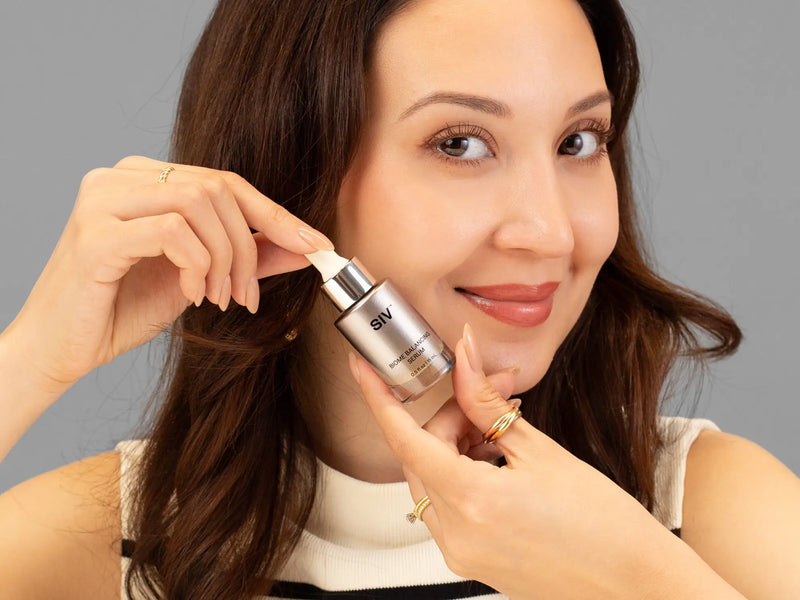
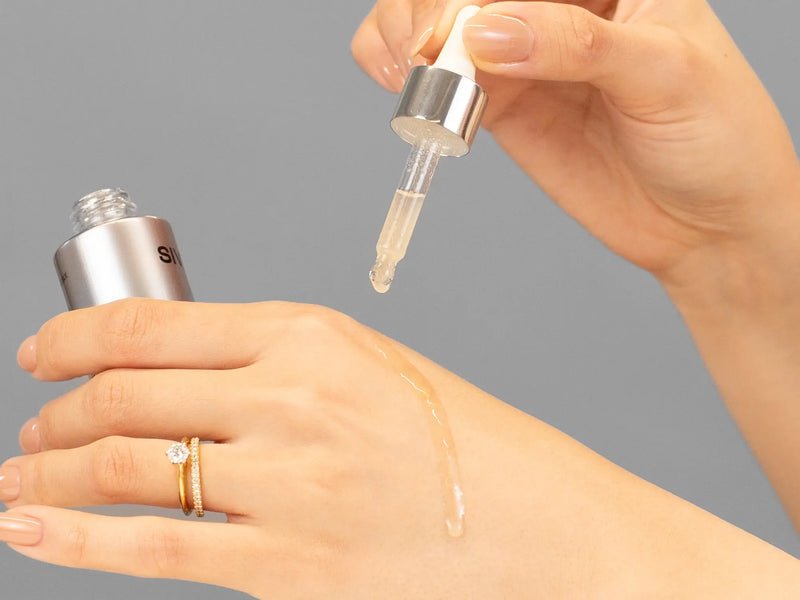
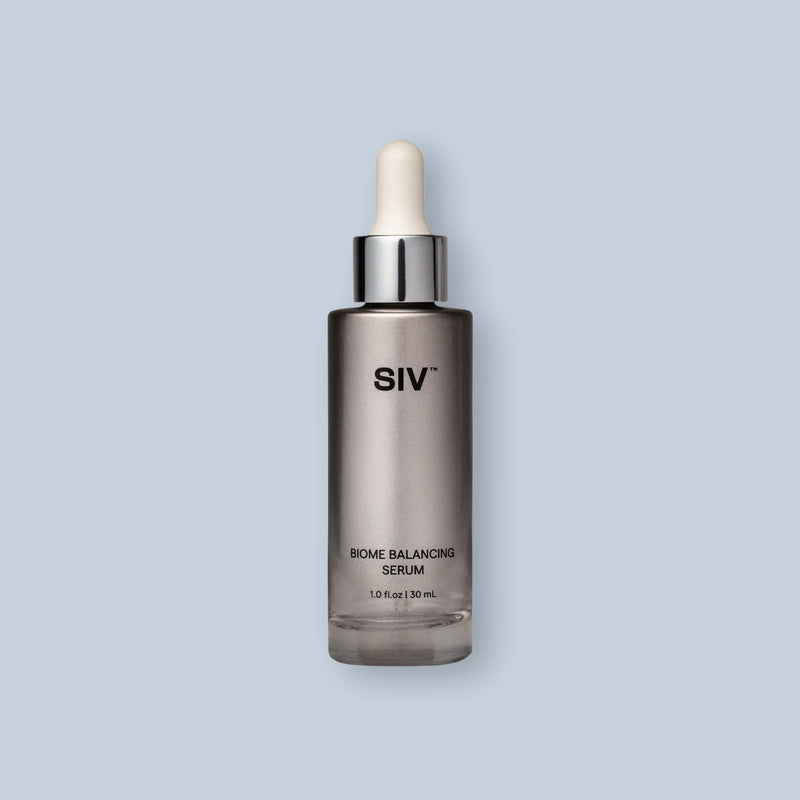
  • SIV

    Biome Balancing Serum

    4.8 out of 5.0 stars

    From $68.00

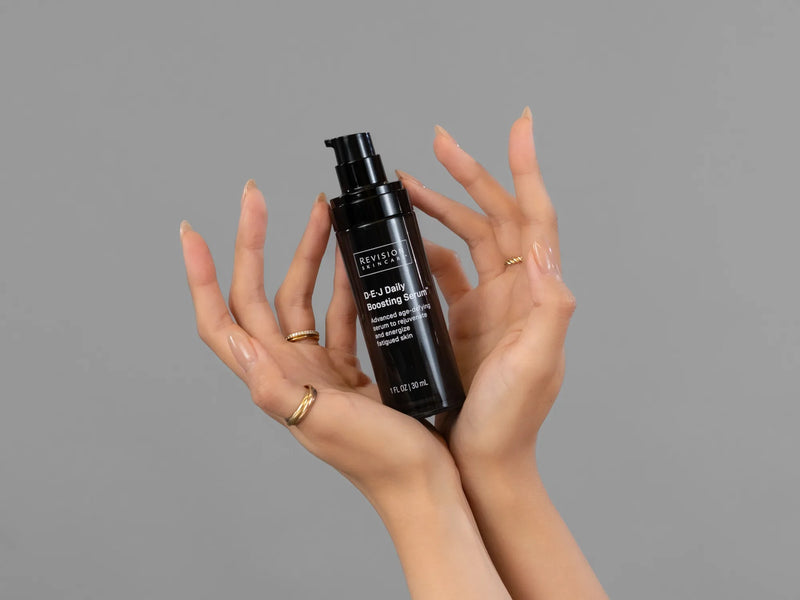
  • Revision

    From $140.00

  • Epicutis

    Hydrobiome Mist

    4.8 out of 5.0 stars

    $75.00

  • Biojuve

    Living Biome Essentials Serum Duo

    4.9 out of 5.0 stars

    $220.00

  • Marini SkinSolutions

    $185.00

  • Epicutis Hydrobiome Mist
    4.8 out of 5.0 stars
    $75.00

    Epicutis

    Hydrobiome Mist 4.8 out of 5.0 stars

    $75.00

    A refreshing mist that hydrates, calms inflammation, and balances the skin’s microbiome.

More Ingredient Guides

View all

German chamomile flowers beside a slate blue dish holding drops of clear, pale golden oil on a warm stone surface.

Bisabolol for Calming Redness and Irritation

Bisabolol is the calming compound first found in chamomile, and it quiets the inflammation behind redness, stinging and itch. Here is how it works, who it suits and how to use it.
Read moreabout Bisabolol for Calming Redness and Irritation

Fresh comfrey leaves and purple flowers beside a slate blue dish of fine white allantoin powder on a warm stone surface.

Allantoin for Rough, Dry and Irritated Skin

Allantoin softens rough, flaky skin and soothes irritation, and the US FDA recognizes it as a skin protectant. Here is how it works, what the research shows and how to use it.

Read moreabout Allantoin for Rough, Dry and Irritated Skin

Fresh centella sprigs with small round scalloped leaves on a warm stone surface beside a slate blue ceramic dish, against a soft blush backdrop.

Centella for Redness and Reactive Skin

Centella calms inflammation, helps skin hold on to water and supports repair after irritation. Here is what the research shows, what cica means on a label and how to use it.
Read moreabout Centella for Redness and Reactive Skin