9 min read

Most red, sore breakouts start as a clogged pore too small to see. Blackheads and whiteheads are clogged pores you can see: a blackhead is a dark dot in an open pore, and a whitehead is a small white or skin-colored bump under the skin. Clearing them steadily smooths your skin and stops many of those plugs before they have the chance to become inflamed.

The short answer

Blackheads and whiteheads are pores plugged with oil and dead skin cells. They clear when you speed up how often your skin sheds its cells, dissolve the oil inside the pore, and keep your skin hydrated and moisturized while you do it. Salicylic acid and a retinoid do most of that work, and a steady routine is what stops new plugs from forming.

Read time 9 min
Suits Acne-prone, All skin types
Diagram comparing a narrow follicle lined with a thin column of oil flowing out, a sebaceous filament, with a wider follicle blocked by a dense plug with a dark top, a blackhead.
Sebaceous filaments are a normal part of the pores in oily areas and refill on their own, while a blackhead is a plug that needs clearing.

What blackheads and whiteheads are

Pores are tiny openings in your skin. Most of the ones you can see are hair follicles, each with an oil gland that empties oil, called sebum, into it.

A blackhead is a pore plugged with oil and dead skin cells, with its opening at the surface left open. The top of the plug looks dark. Its medical name is an open comedone.

A whitehead is the same plug in a pore whose opening is covered by a thin layer of skin. It looks like a small white or skin-colored bump, and it is not red or sore. Its medical name is a closed comedone.

A whitehead is not the same as a pimple with a white or yellow head. That kind of pimple is red, often sore, and filled with pus, and it is a type of inflamed acne called a pustule.

How a pore becomes clogged

The lining of the pore sheds dead skin cells all the time, and the oil carries them out onto your skin. When the cells shed too fast or stay stuck together, they mix with the oil and form a plug, which starts far too small to see and grows over weeks.

Heavy creams and oils can add to the plug on skin that clogs easily, and hormonal shifts increase oil, which is why clogged pores often build up in the week before a period. A whitehead can also become inflamed, which is why clearing clogged pores early helps prevent red, sore breakouts.

Why blackheads are dark

A blackhead is dark because the top of the plug is exposed at the surface, where the oil and the pigment in the dead skin cells darken as they meet the air. It is not dirt, which is why scrubbing harder does not remove a blackhead: the plug sits inside the pore, below where a scrub can reach.

Blackheads or sebaceous filaments?

Many of the gray or tan dots across the nose are not blackheads. They are sebaceous filaments, a normal part of the pores in oily areas: a thin column of oil and skin cells that sits inside the pore and lets oil flow out onto your skin. They are not acne, and they are not a sign of a dirty pore.

Sebaceous filaments are flat, evenly spaced and light gray or tan. A blackhead is darker, often slightly raised, and stands alone. Filaments cannot be removed for good, because your skin needs them, and salicylic acid and niacinamide can make them look smaller.

Diagram of two hair follicle cross-sections with the same pale plug: sealed under a thin layer of skin as a whitehead, and open at the surface with a dark top as a blackhead.
Both are the same plug of oil and skin cells. Whether the opening is covered or open decides which one you see.

How to clear blackheads and whiteheads

Clearing clogged pores works on four things at the same time:

  • Speeding up cell turnover, which is how often your skin sheds old cells and replaces them, so dead cells do not build up inside the pore.
  • Dissolving the oil inside the pore, which breaks up the plug from within.
  • Hydrating your skin. The natural process that loosens dead cells from each other needs water, and skin that lacks water sheds its cells less evenly, which leaves them stickier and more likely to clump.
  • Moisturizing to protect your barrier, which keeps your skin comfortable while acids and retinoids work, and holds in the water you put into your skin.

What an exfoliant does

Most of the ingredients that clear clogged pores are exfoliants. An exfoliant loosens the bonds that hold dead skin cells together, so they shed instead of building up. Some work mainly on the surface, and some reach inside the pore. Each ingredient below has its own article in the Ingredients that help section.

The ingredients we recommend most

Salicylic acid is one of the top ingredients we recommend for blackheads and whiteheads. Because it is attracted to oil, salicylic acid is uniquely capable of penetrating deep inside the pore to break apart the oil and dead skin plug from within. It also reduces oil and calms inflammation.

Retinoids are the other top ingredient we recommend. They speed up cell turnover in the lining of the pore, which clears the small plugs already there and stops new ones from forming.

Glycolic acid is the smallest of the exfoliating acids, which is why it travels furthest into the skin. It speeds up cell turnover and loosens the cells around the opening of the pore.

Niacinamide is not an exfoliant. It reduces oil on the surface of your skin and supports your barrier, which helps your skin stay comfortable while you use an exfoliant or a retinoid.

Gentler options for sensitive skin

Mandelic and lactic acid enter the skin more slowly, and exfoliating enzymes work on the surface without lowering the pH of your skin. All three are gentler, which suits sensitive skin, and they clear clogged pores more slowly than salicylic acid or a retinoid.

Hydrate and moisturize

Use a water-based hydrating serum, such as hyaluronic acid, then a moisturizer. The serum puts water into your skin, and the moisturizer adds a layer of oil on top that stops it evaporating. A light gel or lotion suits skin that clogs.

Start with one exfoliant

Because most of the ingredients that clear blackheads and whiteheads are exfoliants, adding several at once is too much for most skin, and layering them can cause irritation. Start with one product two or three nights a week. If your skin is doing well after two weeks, use it more often, or add a second product on alternate nights, such as salicylic acid one night and a retinoid the next.

Cleanse thoroughly in the evening

Remove sunscreen and makeup fully every evening, because what stays on overnight mixes with the oil in your pores. A first cleanse with an oil or balm, then a gentle cleanser, removes sunscreen more completely.

Wear sunscreen every morning

Exfoliants and retinoids make your skin more sensitive to the sun. Wear broad spectrum SPF 30 or higher every morning, and reapply it throughout the day.

Common questions

Is a whitehead the same as a pimple?

No. A whitehead is a clogged pore under a thin layer of skin, and it is not red or sore. A pimple with a white or yellow head is filled with pus and inflamed, which Inflamed Acne covers.

How long does it take to clear blackheads and whiteheads?

Most people see a clear change in three to six months. The congestion you see today started forming deep in the pore long before it showed, and it can take around 90 days for a plug to reach the surface. A routine has to clear the congestion that is already on its way up and also stop new plugs from forming, which is why it takes three to six months rather than a few weeks.

Why do I have more whiteheads after starting an exfoliant?

That is usually purging. Exfoliants and retinoids speed up cell turnover, which brings congestion that was already forming up to the surface sooner, in the areas where you usually get it. A purge can take three to six months to settle.

Weeks three and four are where people tend to give up, because the extra whiteheads can look like the product is making things worse. Keep going without adding anything new, and use the photo routine in the How to use it section below. Bumps in new areas, burning or itching are different: they mean the product does not suit your skin, and you should stop using it.

Should I squeeze or extract blackheads?

No, not at home. Squeezing can leave marks on your skin, push the congestion deeper, and turn a clogged pore into an inflamed breakout, which is what we often see in people who extract their own congestion at home.

A professional extraction removes the congestion closest to the surface, which lets what is deeper come up sooner. Without extractions it still comes out on its own, only a little more slowly, and if you are not experienced, it is best not to extract at all.

Do exfoliants suit deeper skin tones?

Yes. Deeper skin pigments much easier, and aggressive exfoliation and the dryness that follows it can trigger dark marks, which is why starting slowly and keeping your skin hydrated matter.

Can I clear blackheads during pregnancy?

Yes, with some ingredient changes. Glycolic acid and niacinamide are considered among the safest options. Salicylic acid at around 0.5 to 1 percent is often considered acceptable, although not every doctor agrees, and the same applies while breastfeeding. Most retinoids are avoided, and some may be acceptable depending on the retinoid. Skincare ingredients are almost never tested on pregnant people, so check anything new with your OB, midwife or doctor.

How to use it

  • Start with one exfoliant, such as salicylic acid, two or three nights a week.
  • Apply it to clean, dry skin, then follow with a hydrating serum and your moisturizer.
  • If your skin is doing well after two weeks, use it more often or add a retinoid on alternate nights.
  • Remove sunscreen and makeup fully every evening.
  • Wear broad spectrum SPF 30 or higher every morning, and reapply it throughout the day.
  • Photograph your skin on day one, in the same spot and in natural daylight, and again every four weeks.
Start with the basics Acne 101: What Causes It and How to Manage It With Skincare
Evidence and sources
  • Cunliffe WJ, Holland DB, Jeremy A. Comedone formation: etiology, clinical presentation, and treatment. Clinics in Dermatology, 2004. How the pore lining forms the plug, and how small plugs grow into blackheads and whiteheads. Read the review
  • Leyden J, Stein-Gold L, Weiss J. Why Topical Retinoids Are Mainstay of Therapy for Acne. Dermatology and Therapy, 2017. How retinoids clear existing plugs and stop new ones from forming. Read the review
  • Arif T. Salicylic acid as a peeling agent: a comprehensive review. Clinical, Cosmetic and Investigational Dermatology, 2015. Why salicylic acid mixes with oil, reaches inside the pore and loosens clogged pores. Read the review
  • Rawlings AV, Harding CR. Moisturization and skin barrier function. Dermatologic Therapy, 2004. Why the enzymes that release dead skin cells need water, and how dry skin sheds unevenly. Read the review
  • Reynolds RV, Yeung H, Cheng CE, et al. Guidelines of care for the management of acne vulgaris. Journal of the American Academy of Dermatology, 2024. The current evidence-based guidance on retinoids and salicylic acid for acne. Read the guideline
  • Vasani R, Baddireddy K, Verma SB. Sebaceous filaments: An exaggerated manifestation of normal skin physiology. Cosmoderma, 2025. What sebaceous filaments are made of, where they show most, and why they are a normal variation of the pore rather than acne. Read the paper

A note on the evidence. Retinoids have the strongest evidence for clearing clogged pores, and the acne guideline recommends them strongly. Salicylic acid has a smaller body of trial data, and the guideline recommends it conditionally, which means it helps many people and the research is thinner. Much of the salicylic acid research looks at in-clinic peels rather than daily products. Sebaceous filaments have been studied very little, and most of what is known about them comes from clinical description rather than trials. The 90-day timeline and the advice on extractions come from what we see in the clinic, combined with that research.

Last reviewed

Ingredients that help

What each one does, how it works and how to use it.

Products for Noninflamed Acne

  • GlyMed

    Accelerator Gel

    5.0 out of 5.0 stars

    $76.50

  • Face Reality

    Acne Face & Body Scrub

    4.9 out of 5.0 stars

    $37.00

  • Face Reality

    $38.00

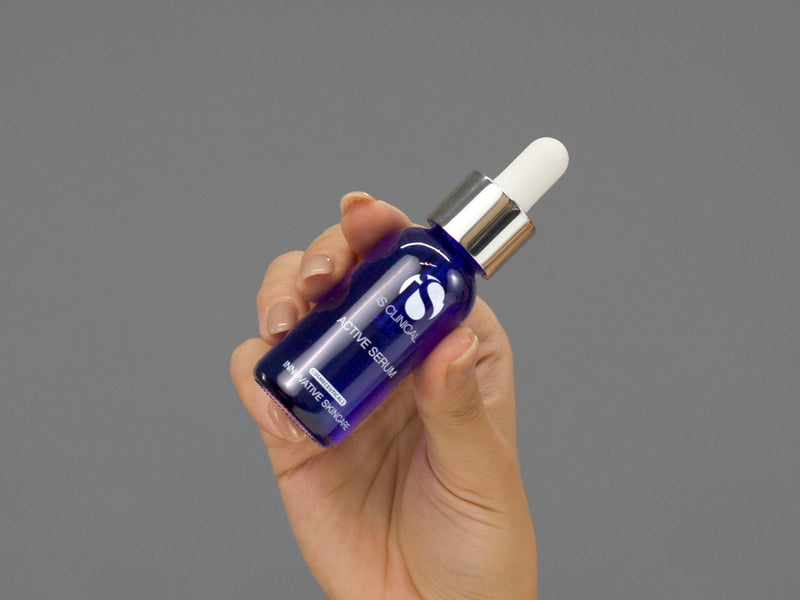
  • iS Clinical

    Active Serum

    5.0 out of 5.0 stars

    $155.00

  • Face Reality

    Advanced Acne Med

    4.9 out of 5.0 stars

    From $29.00

  • Face Reality

    $76.00

  • SkinBetter Science

    AlphaRet Clearing Serum

    4.8 out of 5.0 stars

    From $145.00

  • SkinBetter Science

    AlphaRet Exfoliating Peel Pads

    5.0 out of 5.0 stars

    $130.00

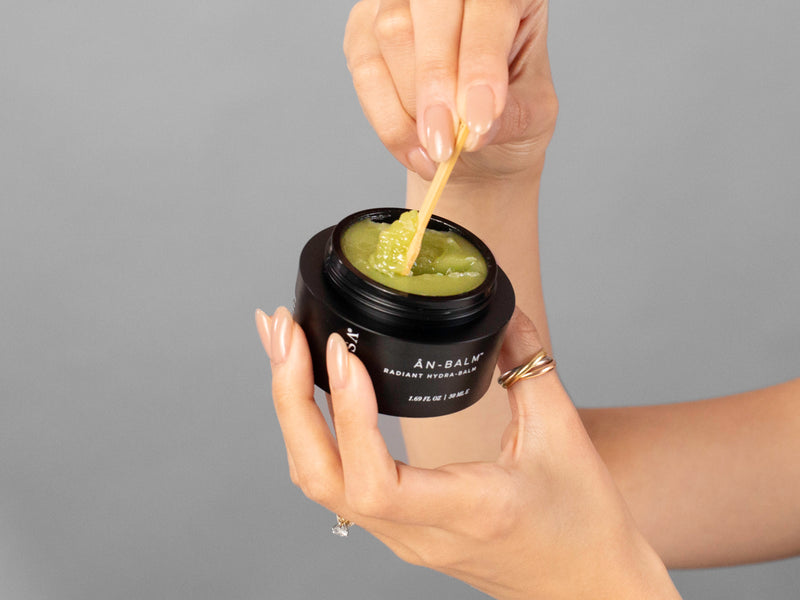
  • Anfisa

    Γ‚N-BALM

    4.8 out of 5.0 stars

    From $64.00

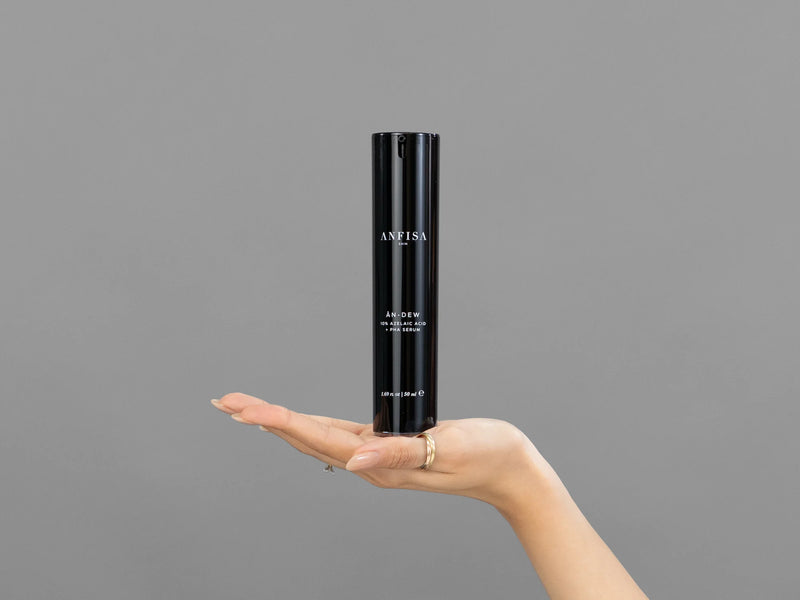
  • Anfisa

    Γ‚N-DEW

    4.9 out of 5.0 stars

    From $125.00

  • GlyMed

    Anti-Aging Exfoliant Masque

    5.0 out of 5.0 stars

    $51.50

  • Face Reality

    Antioxidant Scrub

    4.9 out of 5.0 stars

    $34.00

  • Marini SkinSolutions

    $103.00

  • Marini SkinSolutions

    $46.00

  • Biojuve

    Biojuve Travel Kit

    4.5 out of 5.0 stars

    $70.00

  • GlyMed

    $45.00

  • Vivant

    BP 10% Gel Medication

    5.0 out of 5.0 stars

    $44.00

  • Vivant

    $26.00

  • Revision

    Brightening Facial Wash

    5.0 out of 5.0 stars

    $47.00

  • Vivant

    $30.00

  • Hale & Hush

    From $26.00

  • iS Clinical

    Cleansing Complex

    4.8 out of 5.0 stars

    From $27.00

  • Hale & Hush

    $34.00

More Skin Concern Guides

View all

Illustration of a young woman with fair skin, with small dark blackheads across her nose and tiny pale whiteheads on her forehead.
  • by Laziza Strait

Blackheads and Whiteheads: What Clogs a Pore and How to Clear It

Blackheads and whiteheads are clogged pores that have not turned red or sore. Here is what forms the plug, why many nose blackheads are something else, and how to clear them.

Read moreabout Blackheads and Whiteheads: What Clogs a Pore and How to Clear It
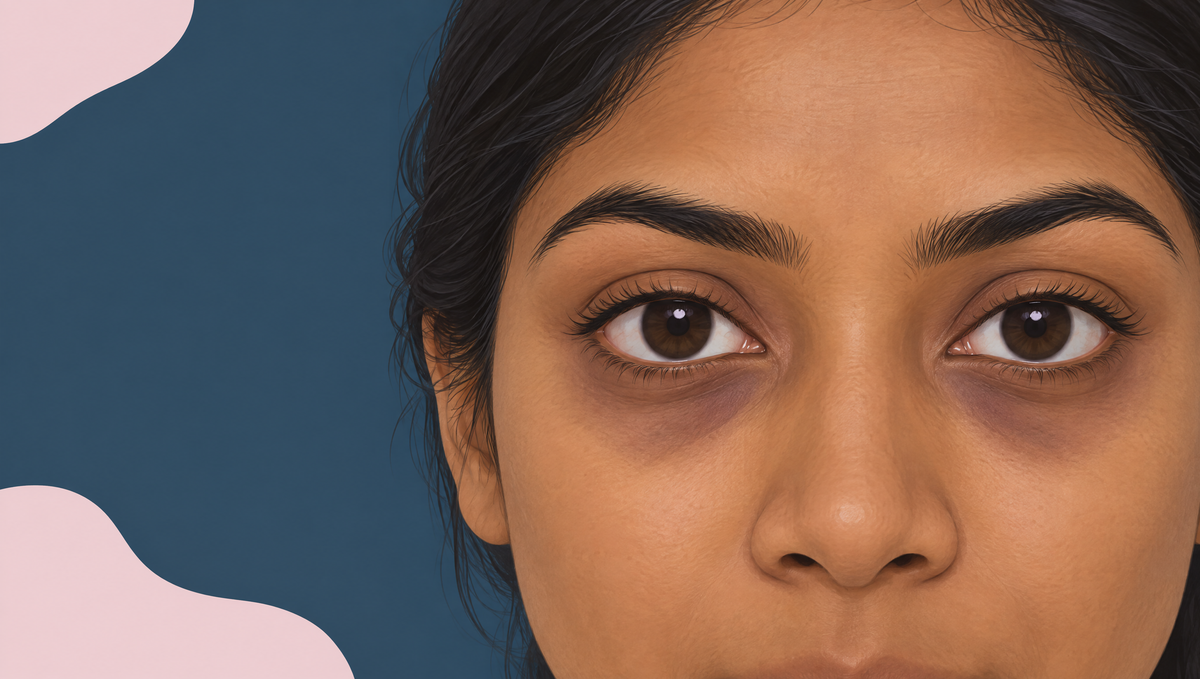
Close illustration of the eyes of a South Asian woman with medium-brown skin, with darker brown-purple shadows beneath both eyes.
  • by Laziza Strait

Dark Circles: What Causes Them and What Skincare Can Change

Dark circles come from extra pigment, blood vessels showing through thin skin, or shadow from a hollow under the eye. Here is how to tell which you have and what skincare can change.

Read moreabout Dark Circles: What Causes Them and What Skincare Can Change
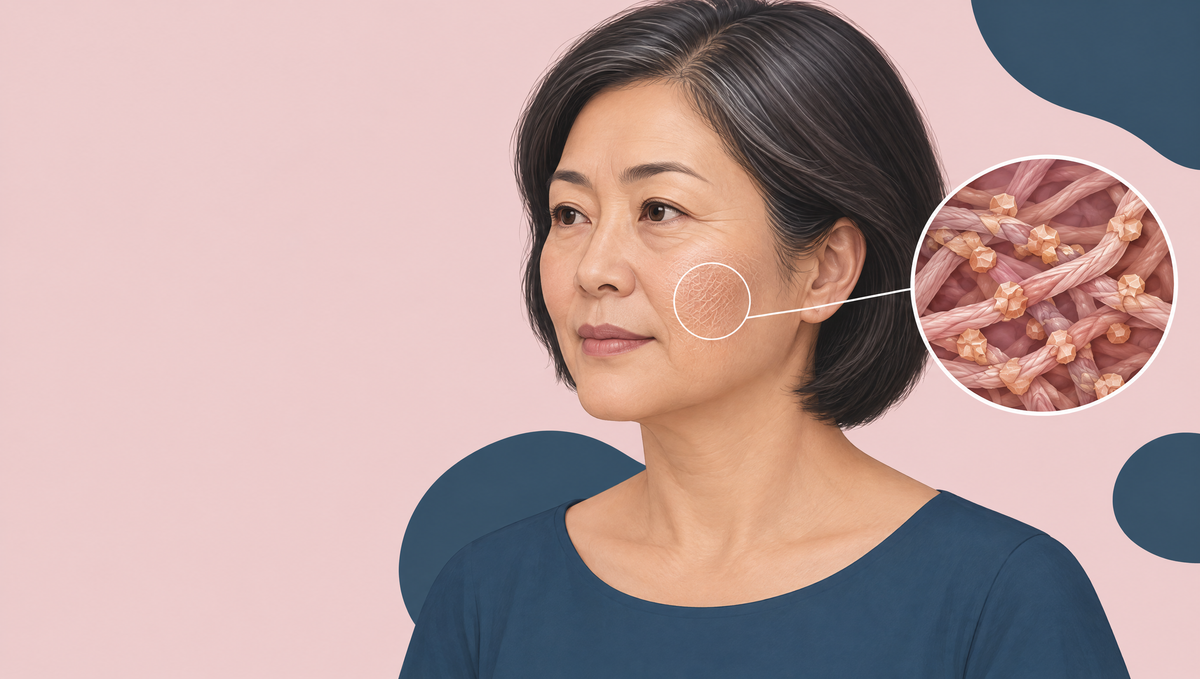
Illustration of an East Asian woman in her late fifties with fine crisscross lines on her cheek, beside a magnified circle showing stiff, tangled collagen fibres.
  • by Laziza Strait

Glycation: How Sugar Stiffens Skin and What Can Slow It

Glycation is sugar bonding to the collagen in your skin, leaving it stiffer and more yellow over the years. Here is how it happens, what speeds it up and what can slow it down.

Read moreabout Glycation: How Sugar Stiffens Skin and What Can Slow It