9 min read

Many people with oily skin have tried to wash the shine away, and found it back within a few hours, sometimes with tight, flaky patches added. The oil comes from small glands in your skin, and how much they make is set mostly by your hormones and your genes. A routine that works with them keeps the shine down without leaving your skin tight and uncomfortable.

The short answer

Oily skin makes more oil than other skin types, and the excess sits on the surface across your face. How much it makes is affected by hormones, genetics, age, climate and the health of your skin. Skincare cannot switch off your oil glands, but it can help reduce excess oiliness with gentle cleansing, lightweight hydration and ingredients such as niacinamide, salicylic acid and azelaic acid.

Read time 9 min
Suits Oily, Combination, Dehydrated

Where the oil comes from

Your skin has two kinds of glands that release onto its surface: sweat glands, which make sweat, and oil glands, called sebaceous glands, which make sebum, your skin's natural oil. Oil glands are attached to the hair follicles, the tiny tubes in your skin that each hold a hair. On the face, the oil glands cluster most densely across the forehead, nose and chin, the area called the T-zone, which is why it is usually the shiniest part. Sebum travels up the follicle, out through the pore, and spreads across the surface of your skin.

Sebum does real work. Mixed with sweat on the surface, it forms the acid mantle, a thin, slightly acidic film that is part of your skin barrier. The barrier holds water in and keeps irritants out. Sebum also carries antioxidants such as vitamin E up to the surface. The aim of a routine is less shine, rather than taking away oil your skin needs.

Why some skin makes more

Hormones are the main driver. Androgens, hormones everyone has and men have more of, tell the oil glands to grow and produce more. That is why oiliness usually starts at puberty, why it can rise and fall across your cycle, and why it tends to drop after menopause.

If your skin has become much oilier along with irregular periods, new hair growth on your face or body, or thinning hair on your head, see a doctor, because hormones may be the cause.

Your genes set much of your starting point, and climate moves it. A study that measured facial oil in the same people across a year found the highest levels in summer, and hot, humid weather increases shine for most people.

Oily and dry at the same time

Feeling oily and dry at the same time is one of the most common concerns our oily-skin clients bring to our New York City LAZ Clinic. It usually means oily and dehydrated.

Oil and water are different things in your skin, and they do different jobs. Water sits within the skin and keeps it plump, smooth and working well. The oil your skin makes is a mix of oils and fats, and it sits on the surface as a thin layer that helps stop that water from evaporating.

Dehydrated skin is skin that is short of water. Dry skin is skin that makes too little oil. Dehydration is not a skin type, so any skin can be short of water, including oily skin, which is why it can look shiny, feel tight and flake in places all at once.

Dehydration usually comes from the routine rather than the skin type: cleansers that strip, several drying products at once, and skipping moisturizer to avoid adding shine.

Does washing more make skin oilier?

It can. Your glands release a steady amount of oil through the day, which means shine returns within a few hours whatever cleanser you use, and washing more often cannot stop that. What frequent washing and harsh cleansers can do is strip the oils your skin needs.

In our clinic, we see stripped skin respond as if it is not making enough oil, and sometimes make even more, while it also becomes dehydrated and uncomfortable. That is why gentle cleansing matters more than how often you wash.

Diagram of a hair follicle with an oil gland attached to its side, with droplets of oil traveling up the follicle and spreading as a thin layer across the skin surface.
Oil is made in glands beside each hair follicle and flows steadily up onto your skin through the day.

How to balance oily skin

Balancing oily skin works on four things at the same time:

  • Cleansing without stripping, so the oil your barrier needs stays.
  • Keeping your skin hydrated, because oily skin can still be short of water.
  • Working on the oil itself, with the right ingredients.
  • Protecting your skin from the sun every day.

Cleanse twice a day, gently

A gentle gel or foaming cleanser in the morning and evening is enough for most oily skin, as long as your skin feels comfortable afterwards rather than tight.

Keep your skin hydrated

Oily skin still needs a moisturizer. A lightweight gel or lotion keeps water in without adding heavy oils. Sodium hyaluronate holds water in the skin with no oil at all, which makes it useful when your skin is oily and dehydrated at once.

Use ingredients that work on oil

The ingredients we use most for oily skin work in three ways. Some reduce how much oil sits on the surface. Some absorb oil. Some are exfoliants: an exfoliant loosens the bonds that hold dead skin cells together, so they shed instead of building up, and the ones that dissolve in oil can clear the mix of oil and dead cells inside a pore. Each ingredient below has its own article in the Ingredients that help section.

Niacinamide helps regulate oil. In two small studies, a moisturizer with two percent niacinamide lowered facial oil within two to six weeks. It also supports your barrier and calms redness.

Salicylic acid is an exfoliant that is attracted to oil, which lets it travel inside the pore and break apart the mix of oil and dead skin cells that collects there. It helps oily skin look clearer, and it helps clear clogged pores, also called congestion.

Azelaic acid helps clear pores and calms redness. In one small study of people with acne, it lowered facial oil by about 14 percent, although earlier research found no change.

Sulfur soaks up excess oil and helps clear congestion. Its smell makes a wash-off mask or night product the easiest way to use it.

Retinoids are the vitamin A family of skincare ingredients. They speed up cell turnover, which is how often your skin sheds old cells and replaces them, and that helps oil and dead cells move out of pores. Their clearest results are on pores, texture and breakouts rather than oil itself.

Mandelic acid is an exfoliating acid that suits oily and breakout-prone skin and helps keep pores clear.

Several of these ingredients can be drying, and starting them all at once is one of the most common reasons oily skin ends up dehydrated. Start with one, and add a second after two weeks if your skin is comfortable.

Choose a lightweight sunscreen

Gel, fluid and matte textures tend to suit oily skin, and zinc oxide, a mineral filter, helps absorb excess oil while it protects. The right sunscreen for you is the one you will actually apply every morning and reapply throughout the day.

Diagram comparing two blocks of skin: one with a thin oil layer and plenty of water inside, and one with a thicker oil layer, little water and small cracks at the surface.
Shine on the surface does not mean the skin underneath has enough water, which is why oily skin still needs a moisturizer.

Common questions

How long until my skin looks less oily?

Most people notice less shine within four weeks of a consistent routine, and the change keeps building over eight to twelve weeks.

Weeks two and three are where people tend to give up, or add another drying product, because the shine still comes back by the afternoon. Keep going without changing anything. The photo routine in the How to use it section below makes the change easier to see.

If you start salicylic acid, mandelic acid or a retinoid, a few extra small bumps in the first weeks are usually purging. These ingredients speed up cell turnover, which brings clogged pores that were already forming up to the surface sooner, in the areas where you usually get them. A purge can take three to six months to settle. Bumps in new areas, burning or itching are different: they mean the product does not suit your skin, and you should stop using it.

Does oily skin need a different routine in winter?

Yes, often, depending on where you live. If your skin feels tighter and less shiny in colder months, a slightly richer moisturizer, an oil or cream cleanser and fewer oil-balancing products may suit it better then. Change your routine when your skin starts behaving differently, rather than on a set date.

Do blotting papers and powders help?

Yes, for shine during the day. Blotting papers lift oil off the surface and a mattifying powder absorbs it. Neither changes how much oil your skin makes, and both are fine to use whenever you need them.

Can I use these ingredients during pregnancy?

Yes, most of them. Niacinamide is considered among the safest options. Salicylic acid at around 0.5 to 1 percent is often considered acceptable, although not every doctor agrees, and the same applies while breastfeeding. Most retinoids are avoided, and some may be acceptable depending on the retinoid. Skincare ingredients are almost never tested on pregnant people, so check anything new with your OB, midwife or doctor.

How to use it

  • Cleanse morning and evening with a gentle cleanser that leaves your skin comfortable rather than tight.
  • Use a lightweight moisturizer every day, even when your skin feels oily.
  • Start one oil-balancing ingredient, such as niacinamide or salicylic acid, and wait two weeks before adding a second.
  • Blot during the day instead of washing again.
  • Wear broad spectrum SPF 30 or higher every morning, and reapply it throughout the day.
  • Photograph your skin on day one, in the same spot and in natural daylight, and again every four weeks.
Start with the basics Skincare 101: Know Your Skin, Build Your Basics
Evidence and sources
  • Endly DC, Miller RA. Oily Skin: A review of Treatment Options. The Journal of Clinical and Aesthetic Dermatology, 2017. How hormones, age and season affect oil production, the steady rate at which skin makes oil, and the evidence for topical niacinamide and retinoids. Read the review
  • Sakuma TH, Maibach HI. Oily Skin: An Overview. Skin Pharmacology and Physiology, 2012. How the oil glands work, how oil relates to hydration and the barrier, and how oiliness varies with age, sex and hot, humid climates. Read the review
  • Draelos ZD, Matsubara A, Smiles K. The effect of 2% niacinamide on facial sebum production. Journal of Cosmetic and Laser Therapy, 2006. The two niacinamide studies described above, in 100 and 30 adults. Read the study
  • Stinco G, Bragadin G, Trotter D, Pillon B, Patrone P. Relationship between sebostatic activity, tolerability and efficacy of three topical drugs to treat mild to moderate acne. Journal of the European Academy of Dermatology and Venereology, 2007. The study of 65 people with acne in which azelaic acid lowered facial oil by about 14 percent, while benzoyl peroxide and adapalene did not lower it consistently. Read the study
  • Youn SW, Na JI, Choi SY, Huh CH, Park KC. Regional and seasonal variations in facial sebum secretions: a proposal for the definition of combination skin type. Skin Research and Technology, 2005. The year-long study that found facial oil highest in summer and highest across the forehead, nose and chin. Read the study

A note on the evidence. How hormones drive oil production is well understood. Research on skincare ingredients that reduce oil is thinner than you might expect: the niacinamide studies were small and short, and topical retinoids have not been shown to lower oil production directly. Research has not settled whether stripping makes skin produce more oil. What we describe here, including that, combines the research with what we see in the clinic.

Last reviewed

Ingredients that help

What each one does, how it works and how to use it.
Products for Oily Skin

  • Face Reality

    $38.00

  • Young Goose

    From $42.00

  • Face Reality

    $76.00

  • SkinBetter Science

    AlphaRet Clearing Serum

    4.8 out of 5.0 stars

    From $145.00

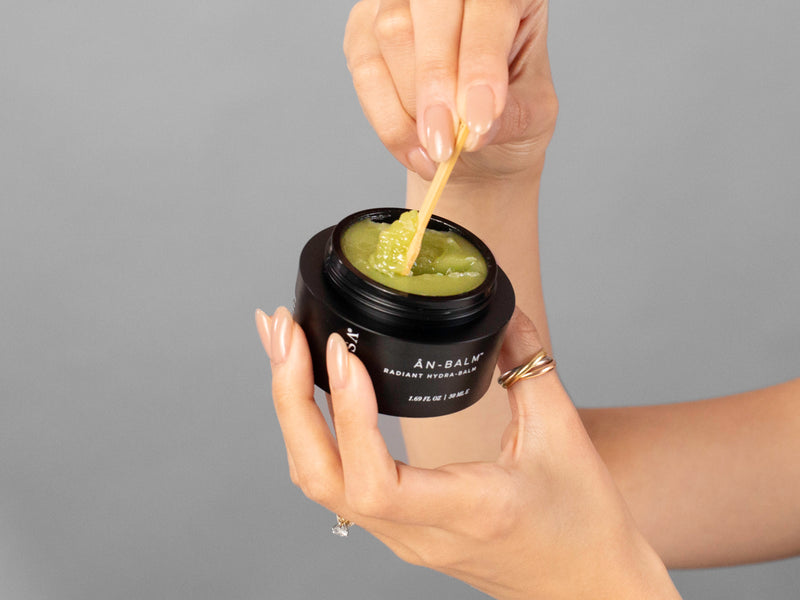
  • Anfisa

    ÂN-BALM

    4.8 out of 5.0 stars

    From $64.00

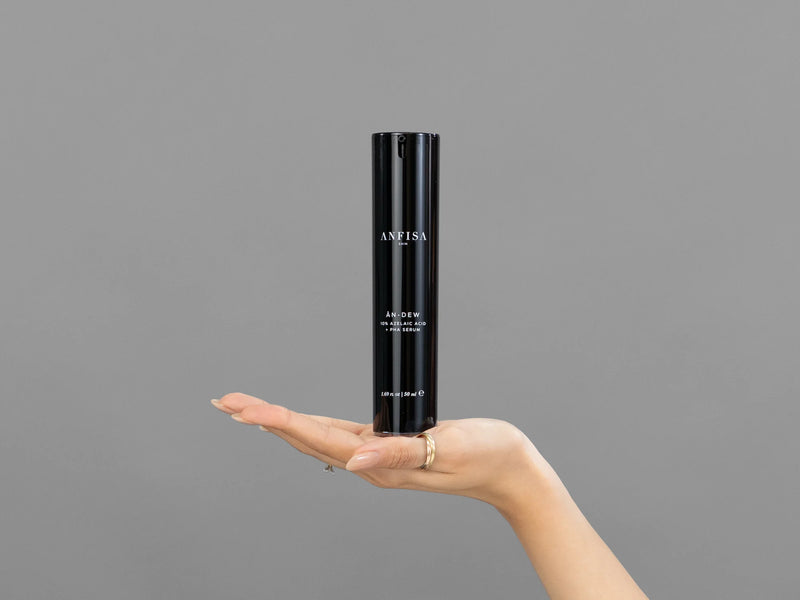
  • Anfisa

    ÂN-DEW

    4.9 out of 5.0 stars

    From $125.00

  • Environ

    $72.00

  • Biojuve

    Biojuve Travel Kit

    4.5 out of 5.0 stars

    $70.00

  • Biojuve

    Biome Support Complex

    4.9 out of 5.0 stars

    $150.00

  • Revision

    Brightening Facial Wash

    5.0 out of 5.0 stars

    $47.00

  • Hale & Hush

    From $26.00

  • Hale & Hush

    $34.00

  • Face Reality

    Clearderma Moisturizer

    4.8 out of 5.0 stars

    $33.00

  • Vivant

    $86.00

  • Vivant

    Derm-A-Gel

    4.0 out of 5.0 stars

    $86.00

  • SkinBetter Science

    Detoxifying Scrub Mask

    4.8 out of 5.0 stars

    $65.00

  • GlyMed

    Exfoliating Cleanser

    5.0 out of 5.0 stars

    $45.00

  • Pavise

    Gentle Amino Powerwash

    4.9 out of 5.0 stars

    From $20.00

  • Face Reality

    Glycolic-Lactic Toner

    4.8 out of 5.0 stars

    $33.00

  • Face Reality

    HydraBalance Gel

    4.9 out of 5.0 stars

    $34.00

  • Biojuve

    Hydrating Barrier Cream

    4.8 out of 5.0 stars

    $74.00

  • SkinBetter Science

    Hydration Boosting Cream

    4.9 out of 5.0 stars

    $105.00

  • Biojuve

    Living Biome Essentials Serum Duo

    4.9 out of 5.0 stars

    $220.00

  • GlyMed

    Mattifying Sulfur Masque

    4.8 out of 5.0 stars

    $50.00

More Skin Concern Guides

View all

Illustration of a young woman with fair skin, with small dark blackheads across her nose and tiny pale whiteheads on her forehead.
  • by Laziza Strait

Blackheads and Whiteheads: What Clogs a Pore and How to Clear It

Blackheads and whiteheads are clogged pores that have not turned red or sore. Here is what forms the plug, why many nose blackheads are something else, and how to clear them.

Read moreabout Blackheads and Whiteheads: What Clogs a Pore and How to Clear It

Close illustration of the eyes of a South Asian woman with medium-brown skin, with darker brown-purple shadows beneath both eyes.
  • by Laziza Strait

Dark Circles: What Causes Them and What Skincare Can Change

Dark circles come from extra pigment, blood vessels showing through thin skin, or shadow from a hollow under the eye. Here is how to tell which you have and what skincare can change.

Read moreabout Dark Circles: What Causes Them and What Skincare Can Change

Illustration of an East Asian woman in her late fifties with fine crisscross lines on her cheek, beside a magnified circle showing stiff, tangled collagen fibres.
  • by Laziza Strait

Glycation: How Sugar Stiffens Skin and What Can Slow It

Glycation is sugar bonding to the collagen in your skin, leaving it stiffer and more yellow over the years. Here is how it happens, what speeds it up and what can slow it down.

Read moreabout Glycation: How Sugar Stiffens Skin and What Can Slow It