8 min read

Facial redness has several different causes, and a calming routine that settles one of them can do very little for another. Working out which kind you have first means the products you choose work on the cause rather than only the color.

The short answer

Facial redness is extra blood flowing near the surface of your skin, or small blood vessels that have become visible. Irritation, a damaged barrier, sun, heat, rosacea and post-breakout marks can all cause it, and each one has its own pattern. Calming it means removing the trigger, supporting your barrier with ingredients such as niacinamide, panthenol and ceramides, and wearing sunscreen every day, tinted if you would like to soften the color while your skin settles.

Read time 8 min
Suits All skin types, Sensitive, Rosacea-prone
Three icons, a location pin, a clock and an hourglass, labeled where, when and how long.
Noticing where your redness appears, when it starts and how long it stays points to what is causing it.

Why skin turns red

Inflammation is one of the root causes of aging skin, and it is why breakouts come up red and sore. Inflammation is also what can make rosacea look flushed. When your skin is inflamed, irritated or warm, the small blood vessels near the surface widen to bring more blood to the area, and that extra blood is the color you see.

Most of the time, the vessels narrow again once the trigger has passed, and the redness fades within minutes or days. When they widen often enough, some can stay wider and become visible as fine red lines, and the redness starts to stay.

On deeper skin tones, redness can look darker, brown or purple, or be hard to see at all. Warmth, swelling and how your skin feels are often the better guide.

The common causes of redness

Irritation appears where a product went on, within minutes to hours, often with tightness or stinging. It settles within days once the product is stopped.

A damaged barrier brings pink, tight, flaky skin, usually after a stretch of exfoliating, harsh cleansing or cold weather. The barrier is letting irritants in, and it needs repair before anything else.

Sun turns skin pink to red a few hours after exposure. Even without a burn, regular sun inflames skin and, over years, makes blood vessels more visible.

Heat and flushing come and go in minutes. Exercise, hot showers, hot drinks, alcohol, spicy food and warm rooms are the usual triggers.

Rosacea is usually recognized by redness across the center of the face that stays most days and flares from time to time. It can come with flushing, visible blood vessels or small red bumps, and it needs a doctor's diagnosis.

Red marks after breakouts are flat pink or red spots where a breakout has healed, called post-inflammatory erythema or PIE. They come from blood vessels rather than pigment, and they fade slowly.

An allergic reaction usually appears a day or two after contact. It itches more than it stings, looks like a rash and returns every time you use that ingredient. It needs a doctor, who can patch test to find the ingredient responsible.

How to tell which redness you have

Look at where the redness is, when it appears and how long it stays. Redness only where a product went on points to irritation or allergy. Redness that arrives with heat and fades within the hour is flushing. Redness across the center of your face that is there most days points toward rosacea.

For single red marks, press a clear glass firmly onto the mark. If the color fades under the pressure, the mark is red from blood vessels. If it stays, it is pigment, which is a different kind of mark.

Many people have more than one kind at once, such as rosacea with a damaged barrier, or flushing alongside red marks from breakouts. Writing down when your redness appears for two weeks usually makes the pattern clear.

Diagram of a small blood vessel under the skin, narrow when calm, widened during a flush, and staying wide with fine red lines when redness lasts.
Redness is extra blood in widened vessels, and vessels that widen often enough can stay visible.

How to calm redness

Remove the trigger

If irritation or a damaged barrier is part of the picture, pause exfoliating acids, retinoids, scrubs and anything fragranced for four weeks, and keep a gentle cleanser, a moisturizer and a sunscreen. Keep the water on your face lukewarm, and avoid the heat triggers you can.

Choose calming, barrier-supporting ingredients

These are the ingredients we use most for redness. Each one has its own article in the Ingredients that help section below.

Niacinamide supports barrier repair and calms redness. In a small four-week study in women with rosacea, a niacinamide moisturizer improved barrier function, and redness and dryness eased. Four to five percent is the range to look for on red, irritated skin.

Azelaic acid calms redness and the small red bumps of rosacea, and it works on breakouts and dark marks at the same time. Two large trials in people with the bumps of rosacea found that a prescription-strength azelaic acid gel improved redness in more people than the same gel without azelaic acid. It can tingle for the first two to four weeks while your skin adjusts.

Panthenol is vitamin B5. It hydrates, calms irritation and helps skin repair.

Ectoin holds water steady around your skin cells, which helps skin that reddens with wind, heat and pollution.

Ceramides, cholesterol and fatty acids are the three main fats that hold your barrier together. Replacing them, ideally all three in balance, helps when a damaged barrier is part of the cause.

Probiotics, prebiotics and postbiotics support the balance of bacteria on your skin, and they are especially worth trying when the ingredients that usually help have not.

Hypochlorous acid can calm redness from irritation and breakouts. We suggest it occasionally rather than every day, because it reduces every kind of bacteria on your skin at once, and your skin relies on that population staying in balance.

Niacinamide, panthenol, ectoin, ceramides, cholesterol and fatty acids are barrier ingredients. They are part of how your skin settles, which means there is no need to wait until the redness has calmed to start them.

Wear sunscreen every day, tinted if you like

Sun widens blood vessels and inflames skin, which makes redness of every kind worse. Mineral sunscreens with zinc oxide are often more comfortable on red skin, because the filters settle into the topmost layer of skin and stay there. A tinted mineral sunscreen softens the look of redness while your skin settles. The right sunscreen for you is the one you will actually apply every morning and reapply throughout the day.

When redness needs more than skincare

Skincare calms inflammation and supports your barrier. It does not directly shrink blood vessels that have become permanently visible, and long-lasting red marks fade slowly on their own. Vascular lasers and light procedures, done by a trained provider, work on those blood vessels directly. If you have rosacea, your doctor may prescribe something alongside your skincare.

Common questions

How long does redness take to calm down?

Redness from irritation usually settles within one to two weeks of stopping the product. A damaged barrier takes about four to six weeks to repair. Redness from rosacea and red marks after breakouts improve more slowly, over two to three months of steady care.

Around week three is where people tend to give up, because the redness has improved but not disappeared. Keep going without changing anything. The photo routine in the How to use it section below makes slow progress easier to see.

Is my redness rosacea?

No, not necessarily. Flushing and irritation can look like rosacea in the moment. The difference is that rosacea redness stays between flares, and over time it can come with small red bumps or fine visible blood vessels. If that sounds like your skin, a doctor can confirm it, and Rosacea has a fuller plan of its own.

Can I cover redness with makeup?

Yes. A tinted sunscreen or a light foundation softens redness, and a green-tinted primer under foundation balances it out. Choose fragrance-free formulas, and remove makeup gently at night with a cream or balm cleanser.

Can I calm redness during pregnancy?

Yes, with some ingredient changes. Azelaic acid is commonly used in pregnancy, and niacinamide is generally considered safe. Many people notice more flushing during pregnancy, partly because blood volume rises. Skincare ingredients are almost never tested on pregnant people, so check anything new with your OB or midwife.

How to use it

  • For two weeks, write down when your redness appears, where it is and how long it lasts.
  • If irritation is part of the cause, pause exfoliants, retinoids, scrubs and fragranced products for four weeks.
  • Choose a moisturizer with niacinamide, panthenol, ectoin or ceramides.
  • Wear broad spectrum SPF 30 or higher every morning, and reapply it throughout the day.
  • Introduce one new product at a time, and give each one two weeks before adding the next.
  • Photograph your skin on day one, in the same spot and in natural daylight, and again every four weeks.
Start with the basics Skincare 101: Know Your Skin, Build Your Basics
Evidence and sources
  • Zettersten EM, Ghadially R, Feingold KR, Crumrine D, Elias PM. Optimal ratios of topical stratum corneum lipids improve barrier recovery in chronologically aged skin. Journal of the American Academy of Dermatology, 1997. How the balance of ceramides, cholesterol and fatty acids applied to the skin changes how quickly the barrier recovers. Read the study
  • Tan J, Almeida LMC, Bewley A, et al. Updating the diagnosis, classification and assessment of rosacea: recommendations from the global ROSacea COnsensus (ROSCO) panel. British Journal of Dermatology, 2017. How rosacea is recognized, including redness across the center of the face that stays and flares from time to time. Read the paper
  • Draelos ZD, Ertel K, Berge C. Niacinamide-containing facial moisturizer improves skin barrier and benefits subjects with rosacea. Cutis, 2005. The four-week niacinamide study in 50 women with rosacea described above. Read the study
  • Thiboutot D, Thieroff-Ekerdt R, Graupe K. Efficacy and safety of azelaic acid (15%) gel as a new treatment for papulopustular rosacea: results from two vehicle-controlled, randomized phase III studies. Journal of the American Academy of Dermatology, 2003. The two azelaic acid trials described above, in more than 650 people with the bumps and redness of rosacea. Read the paper

A note on the evidence. The causes of redness are well described, and most trials of calming ingredients were run in rosacea. The niacinamide study was small and short, had no comparison group on the face, and was funded by the company that made the moisturizer. The azelaic acid trials were large and well run, used a 15 percent prescription gel and were funded by the manufacturer. What we describe here combines that research with what we see in the clinic.

Last reviewed

Ingredients that help

What each one does, how it works and how to use it.
Products for Redness

  • GlyMed

    $104.00

  • Hydrinity

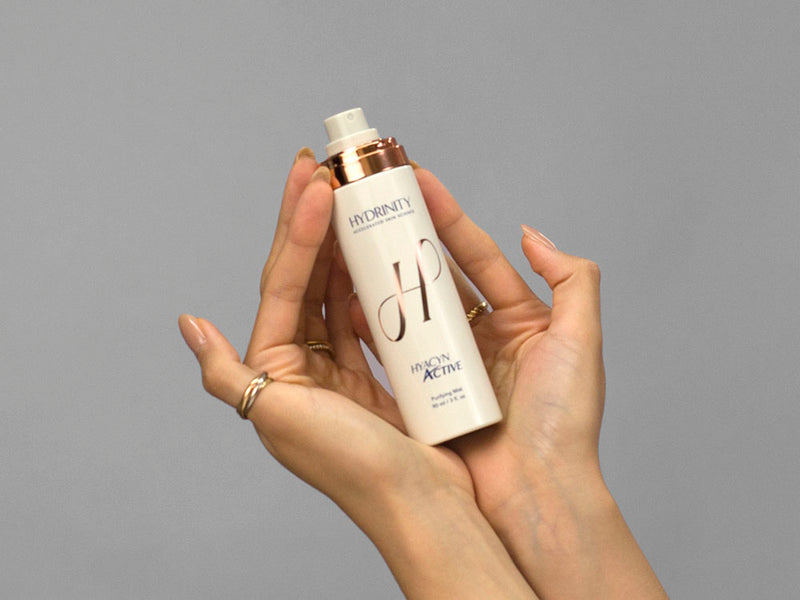
    Hyacyn Active Purifying Mist

    4.9 out of 5.0 stars

    $59.00

  • iS Clinical

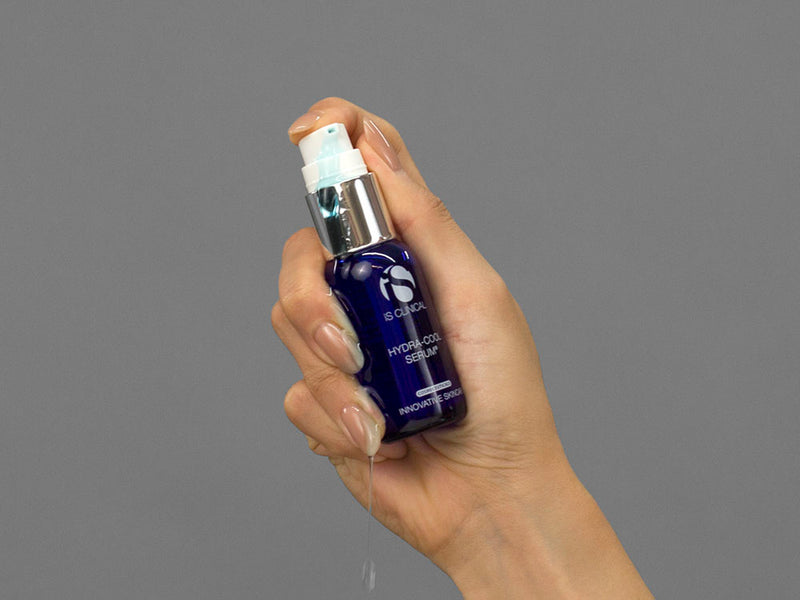
    Hydra-Cool Serum

    5.0 out of 5.0 stars

    $108.00

  • Face Reality

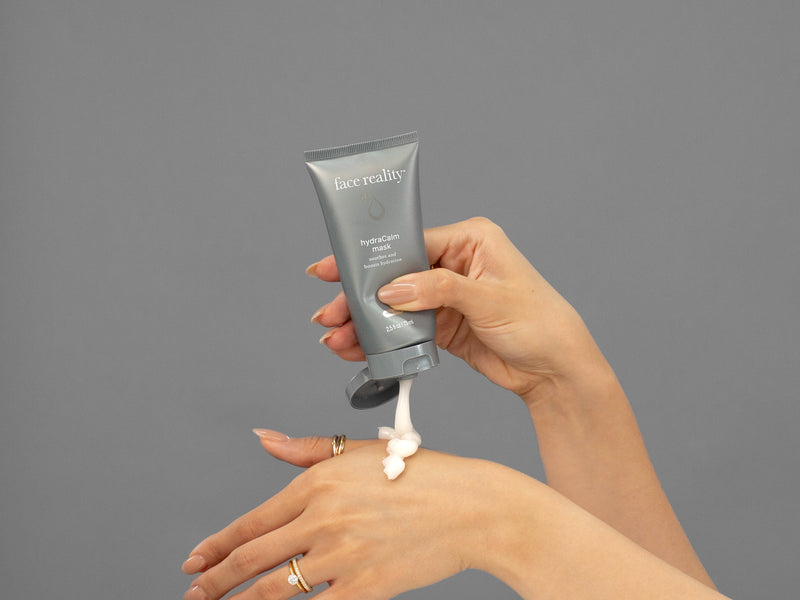
    HydraCalm Mask

    4.8 out of 5.0 stars

    $42.00

  • Face Reality

    HydraRemedy Gel Serum

    4.9 out of 5.0 stars

    $46.00

  • Epicutis

    Hydrobiome Mist

    4.8 out of 5.0 stars

    $75.00

  • Epicutis

    Hyvia Creme

    4.9 out of 5.0 stars

    $195.00

  • Plated

    Intense Serum

    4.9 out of 5.0 stars

    From $244.00

  • Epicutis

    Lipid Shield SPF 30

    4.9 out of 5.0 stars

    $90.00

  • Biojuve

    Living Biome Essentials Serum Duo

    4.9 out of 5.0 stars

    $220.00

  • Epicutis

    Luxury Skincare Set

    5.0 out of 5.0 stars

    $395.00

  • Epicutis

    $175.00

  • Marini SkinSolutions

    $185.00

  • GlyMed

    Mattifying Sulfur Masque

    4.8 out of 5.0 stars

    $50.00

  • Hale & Hush

    $36.00

  • SkinBetter Science

    Mystro Active Balance Serum

    4.8 out of 5.0 stars

    From $115.00

  • SkinBetter Science

    Mystro Revive Renewing Serum

    4.8 out of 5.0 stars

    From $125.00

  • Epicutis

    Oil Cleanser

    4.9 out of 5.0 stars

    $85.00

  • Face Reality

    Omni Clear Mist

    4.7 out of 5.0 stars

    $40.00

  • Hale & Hush

    From $26.00

  • Epicutis

    Recovery Care Set

    4.9 out of 5.0 stars

    $85.00

  • GlyMed

    $56.00

More Skin Concern Guides

View all

Illustration of a young woman with fair skin, with small dark blackheads across her nose and tiny pale whiteheads on her forehead.
  • by Laziza Strait

Blackheads and Whiteheads: What Clogs a Pore and How to Clear It

Blackheads and whiteheads are clogged pores that have not turned red or sore. Here is what forms the plug, why many nose blackheads are something else, and how to clear them.

Read moreabout Blackheads and Whiteheads: What Clogs a Pore and How to Clear It
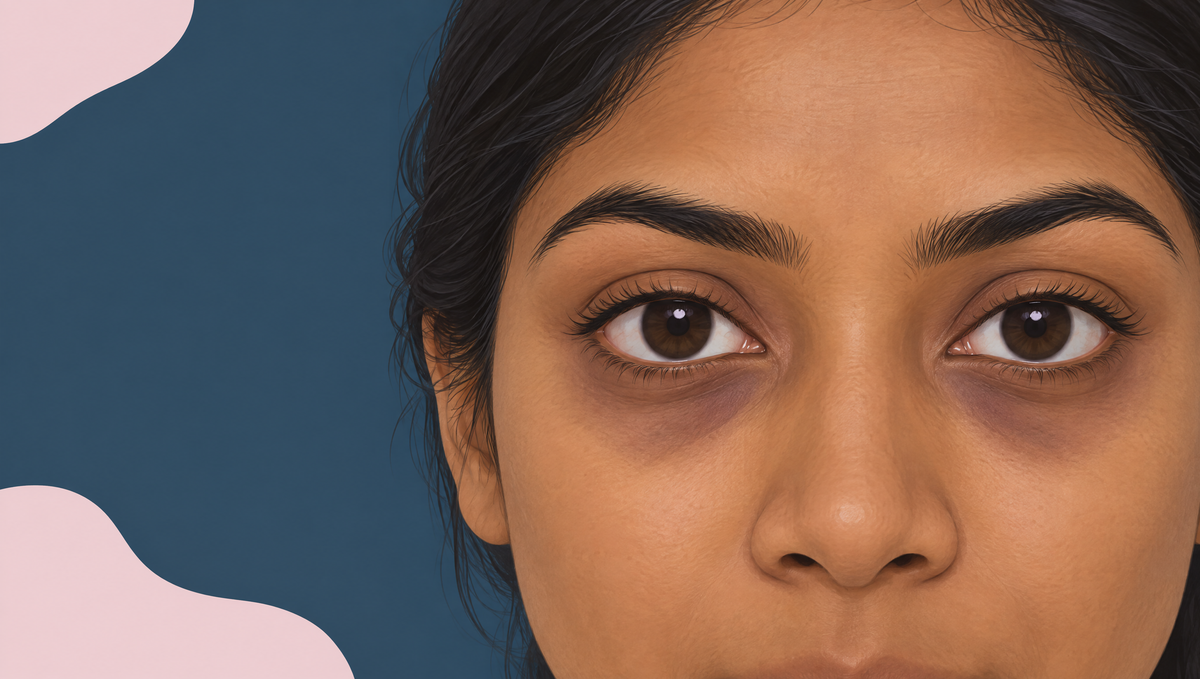
Close illustration of the eyes of a South Asian woman with medium-brown skin, with darker brown-purple shadows beneath both eyes.
  • by Laziza Strait

Dark Circles: What Causes Them and What Skincare Can Change

Dark circles come from extra pigment, blood vessels showing through thin skin, or shadow from a hollow under the eye. Here is how to tell which you have and what skincare can change.

Read moreabout Dark Circles: What Causes Them and What Skincare Can Change
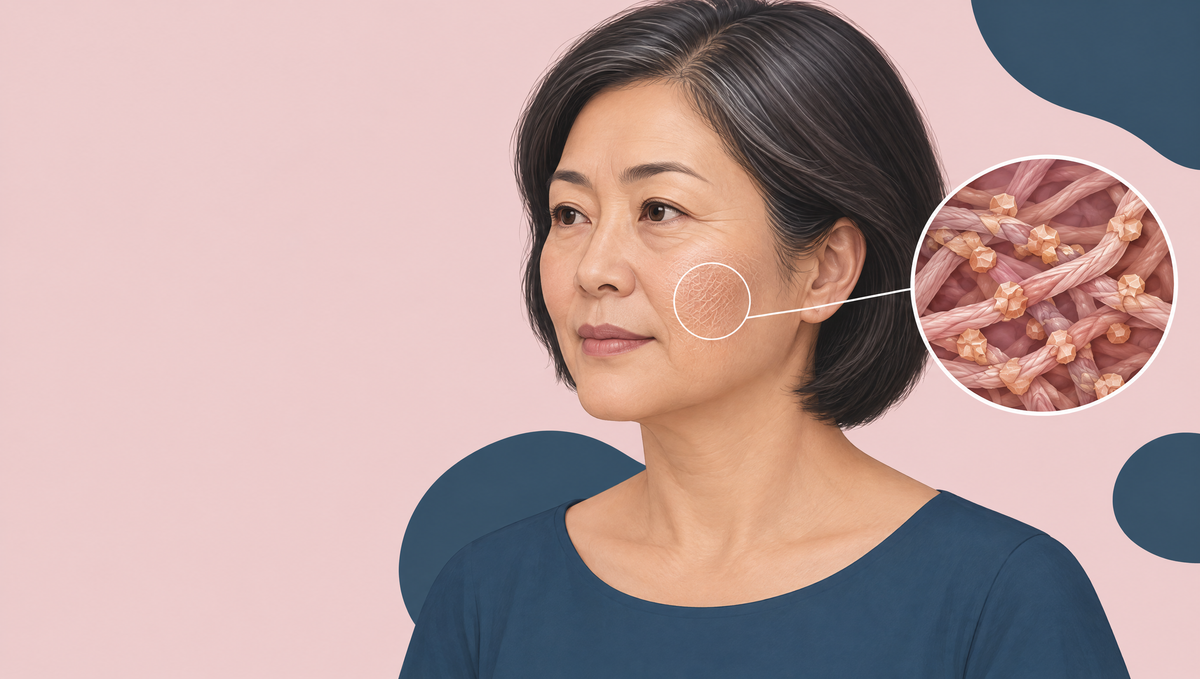
Illustration of an East Asian woman in her late fifties with fine crisscross lines on her cheek, beside a magnified circle showing stiff, tangled collagen fibres.
  • by Laziza Strait

Glycation: How Sugar Stiffens Skin and What Can Slow It

Glycation is sugar bonding to the collagen in your skin, leaving it stiffer and more yellow over the years. Here is how it happens, what speeds it up and what can slow it down.

Read moreabout Glycation: How Sugar Stiffens Skin and What Can Slow It